

Wood landscape borders look natural at first, but they come with hidden costs that many homeowners don’t anticipate until problems appear. Between rot, termite damage, and constant shifting, wood edging often needs replacement within just a few years — making it a surprisingly expensive choice over time.
How Long Does Wood Edging Last Before Rot Sets In?
Most untreated wood borders start showing rot within 2-3 years of installation, especially in areas with regular rainfall or irrigation. Even pressure-treated lumber begins to deteriorate once moisture penetrates the wood’s protective barrier.
The rot usually starts where wood contacts soil. Mulch beds and garden areas retain moisture against the wood, creating ideal conditions for decay. You’ll notice soft spots, discoloration, or sections that crumble when pressed.
Cedar and redwood resist rot better than pine, but they still break down over time. No wood edging is truly rot-proof when buried partially in damp soil and exposed to weather year-round.
Are Wood Borders Attracting Termites to Your Home?
Wood landscape borders can become a termite highway leading directly to your house. Termites feed on cellulose in wood, and edging placed near your foundation gives them convenient access to both food and shelter.
Subterranean termites are especially problematic. They build mud tubes from the ground up into wood, often inside the edging where you can’t see activity until significant damage occurs. By the time you notice termite damage in your wood borders, colonies may have already explored nearby structures.
Even treated wood eventually loses its chemical protection. As the treatment breaks down, termites move in. The closer wood edging sits to your home, the higher your risk.
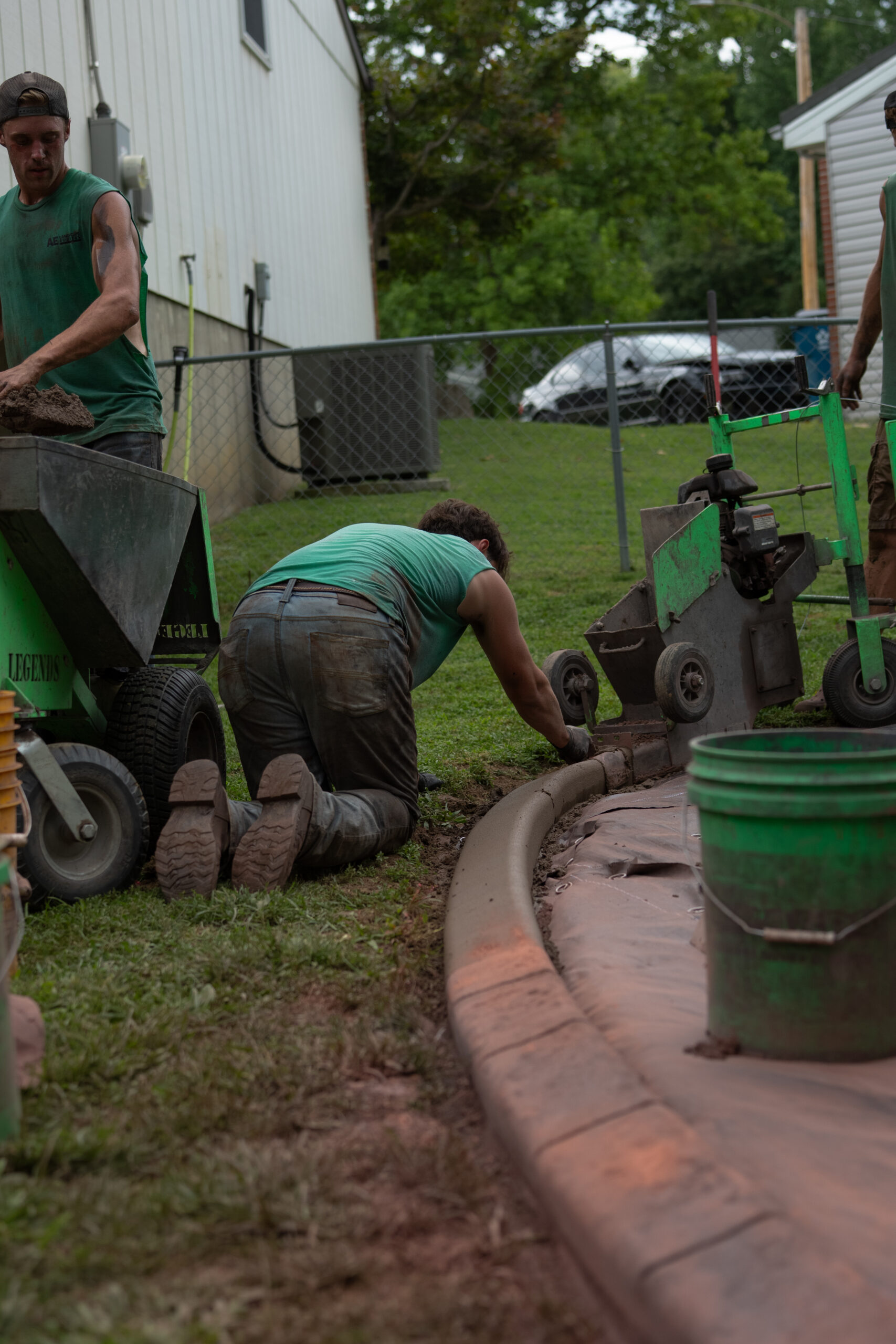
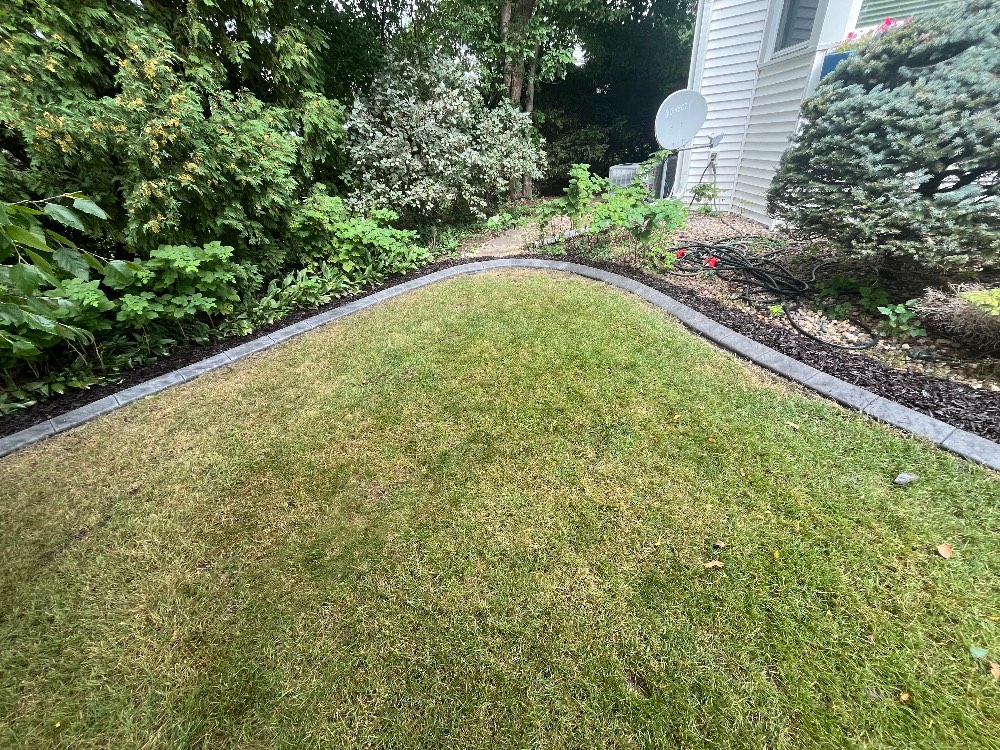
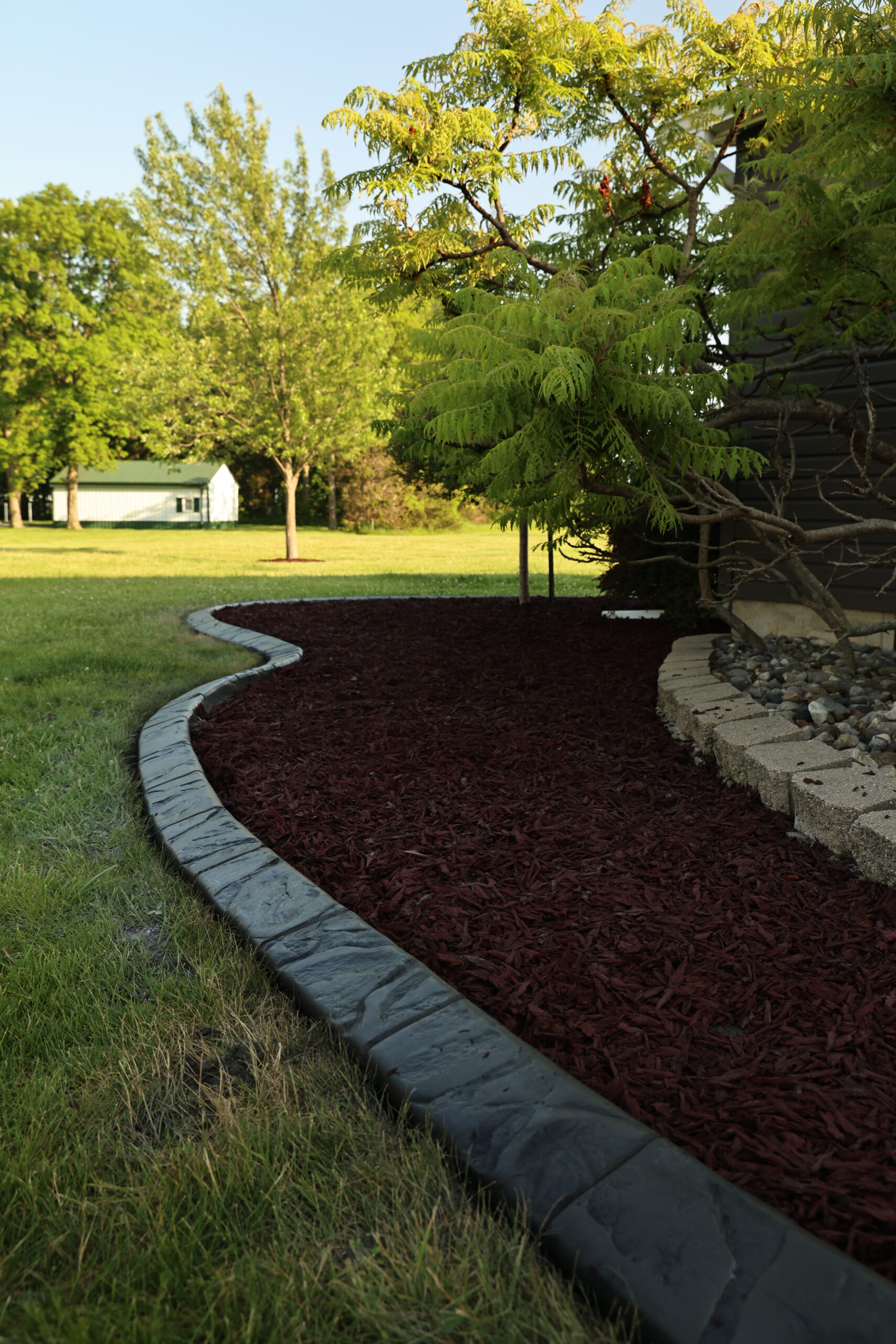
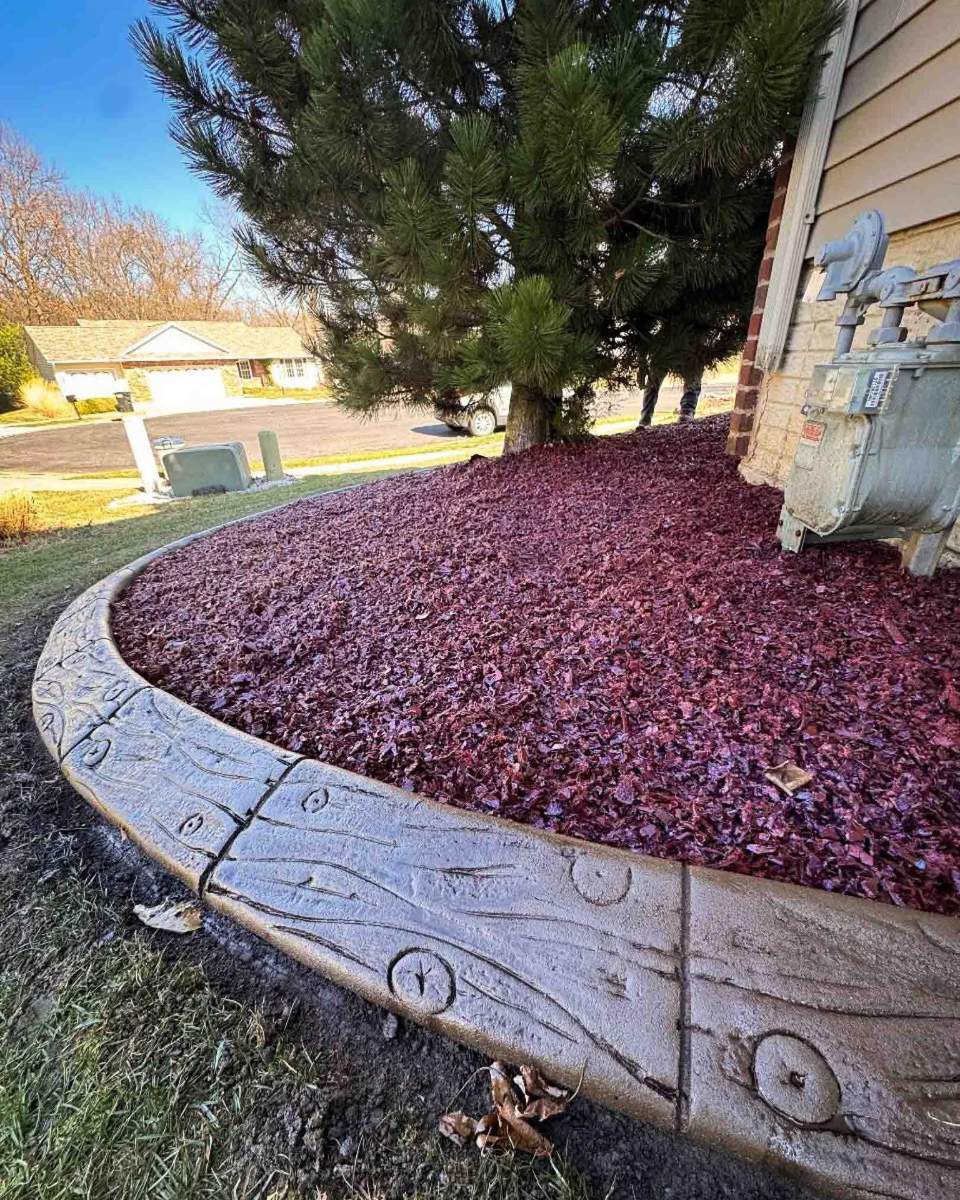
Choosing materials that won’t attract wood-destroying insects plays a role in protecting your property investment. Many homeowners who initially installed wood borders later switch to decorative concrete borders from AE Landscape Borders specifically to eliminate termite concerns.
Why Do Wood Borders Shift and Separate?
Wood landscape edging rarely stays where you place it. Freeze-thaw cycles push sections up and out of alignment. Heavy rain washes soil from underneath, leaving gaps and uneven heights.
As wood absorbs and releases moisture through seasonal changes, individual pieces expand and contract at different rates. This creates separation between sections, gaps at corners, and an increasingly jagged appearance.
Lawn mower impacts and foot traffic accelerate shifting. Because wood borders typically rely on stakes driven into soil, they lack the structural stability of continuous edging systems. Stakes work loose over time, especially in softer soils or areas with active tree roots.
Each time you reset shifted sections, you’re investing more labor into a temporary fix. AE Landscape Borders installs decorative concrete edging as a continuous, anchored system that stays put through weather extremes and typical yard activity. The lifetime warranty on their concrete curbing means you won’t be re-leveling borders every spring.
What Maintenance Do Wood Borders Actually Require?
Wood edging demands ongoing attention to maintain appearance and function. You’ll need to inspect for rot at least twice per year, replacing damaged sections before they collapse completely.
Termite inspections should happen annually, especially if you’ve ever had termite activity on your property. Treatment costs add up quickly when prevention fails.
Re-staking and realigning shifted sections becomes a regular spring and fall chore. Many homeowners spend several hours per season adjusting wood borders that have moved over winter or summer months.
The ongoing cycle of inspection, repair, and eventual replacement makes wood borders far more expensive than their initial low cost suggests. Professional concrete curbing from AE Landscape Borders eliminates this maintenance burden entirely, requiring only occasional cleaning to maintain appearance.
Frequently Asked Questions About Wood Landscape Borders
Can I seal wood borders to prevent rot?
Sealants slow deterioration but don’t prevent it. You’ll need to reapply sealant every 1-2 years, and moisture still penetrates where wood contacts soil. Even well-maintained sealed wood typically fails within 5-7 years in landscape applications.
How much does it cost to replace rotted wood edging?
Replacement costs vary based on materials chosen and project size, but you’ll pay for materials, labor, and disposal of old edging — often comparable to installing a permanent solution like decorative concrete edging. AE Landscape Borders provides free onsite estimates to compare long-term costs versus repeated wood replacement.
Do plastic or metal borders have the same problems as wood?
Plastic and metal avoid rot and termites but bring different issues. Plastic cracks in cold weather and bends under mower impacts. Metal edging develops sharp edges when damaged and doesn’t provide the substantial visual impact that homeowners want from quality landscaping.
If you’re tired of replacing failing wood borders or want to skip the maintenance headaches entirely, AE Landscape Borders offers decorative concrete borders backed by a lifetime warranty. Their installations serve homeowners across the Midwest and Southeast from hubs in Lena IL, Bloomington IL, Indianapolis IN, Fort Wayne IN, St. Louis MO, and Charlotte NC. Contact them today for a free onsite estimate and see why hundreds of homeowners have made the switch to permanent concrete landscape edging.