

Planning landscape borders around trees and existing plants requires more than just aesthetic vision – it demands an understanding of root systems, growth patterns, and how your edging will interact with established landscaping for years to come. Decorative concrete borders from AE Landscape Borders offer a flexible, long-lasting solution that can adapt to the unique challenges trees and mature plants present.
Why Tree Roots Matter When Installing Landscape Edging
Tree roots extend far beyond what you see above ground—typically 1.5 to 3 times the width of the canopy. Surface roots can push through or damage flimsy plastic or metal edging within a season or two. When you install concrete curbing properly, the installation team can work around existing root systems without causing harm to the tree.
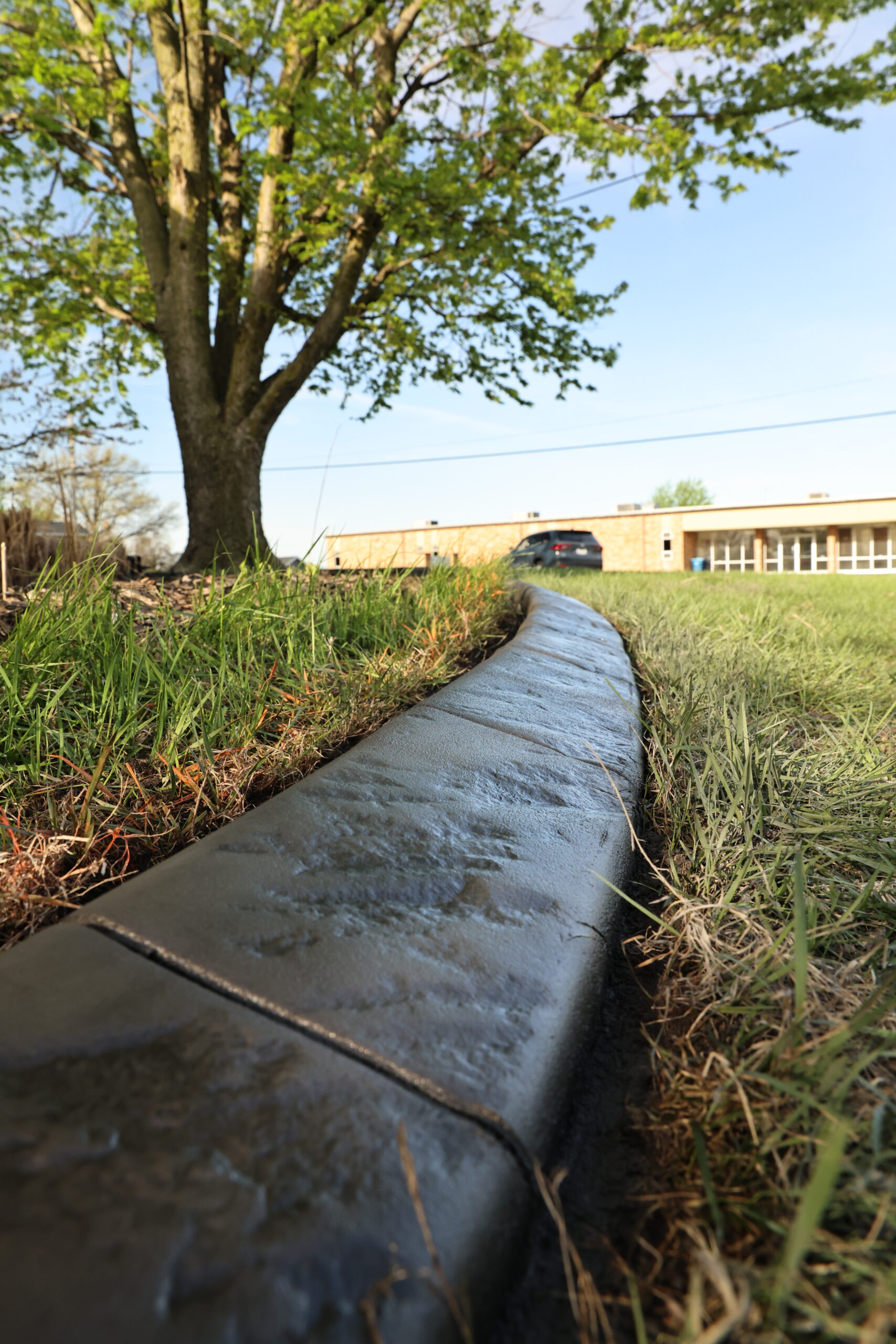
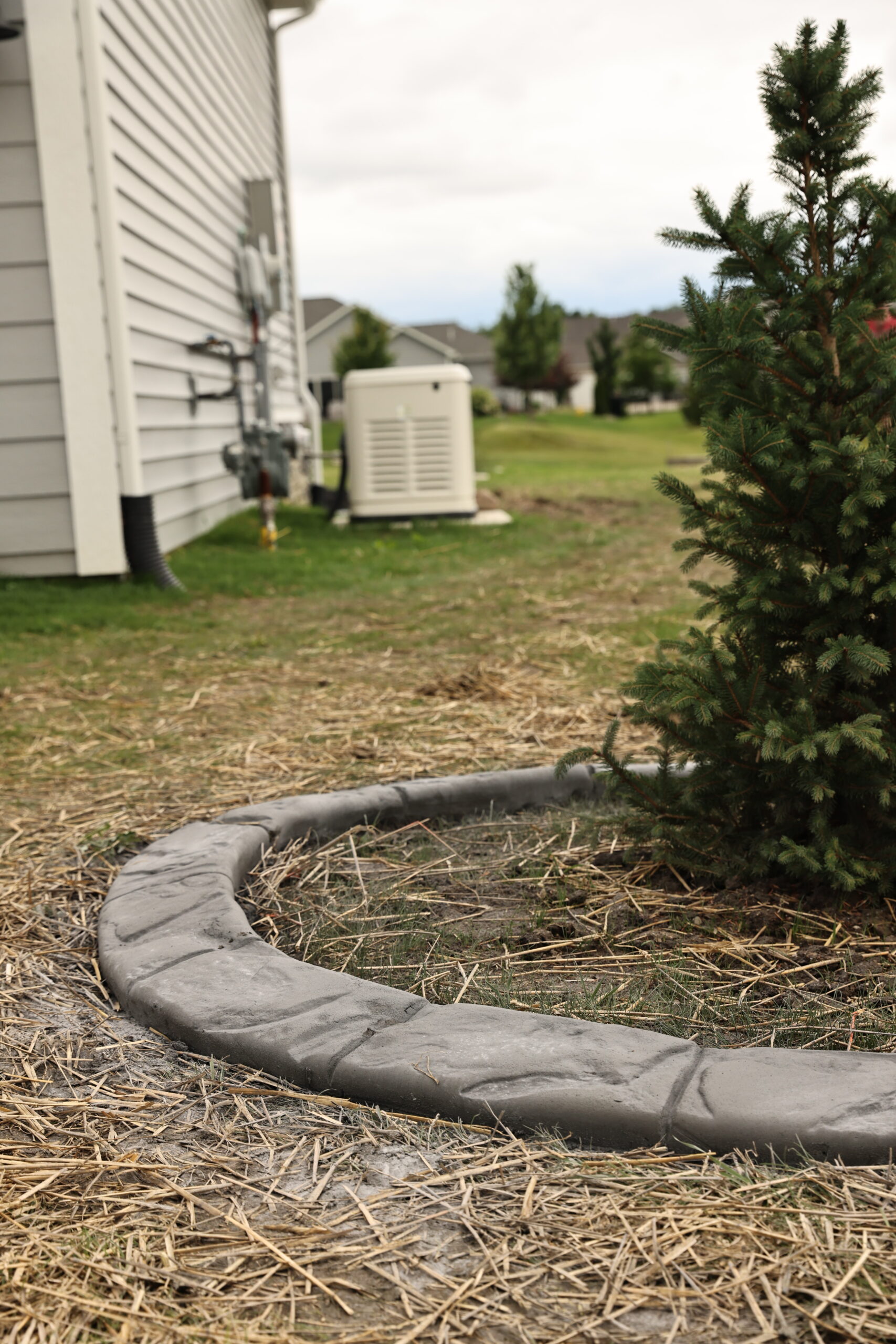
AE Landscape Borders handles root complications as part of their standard installation process. Their crews assess root placement during the onsite estimate and adjust the border path to avoid cutting major roots. The concrete follows the natural contours around the tree base, creating a clean edge that won’t shift or crack as roots continue to grow.
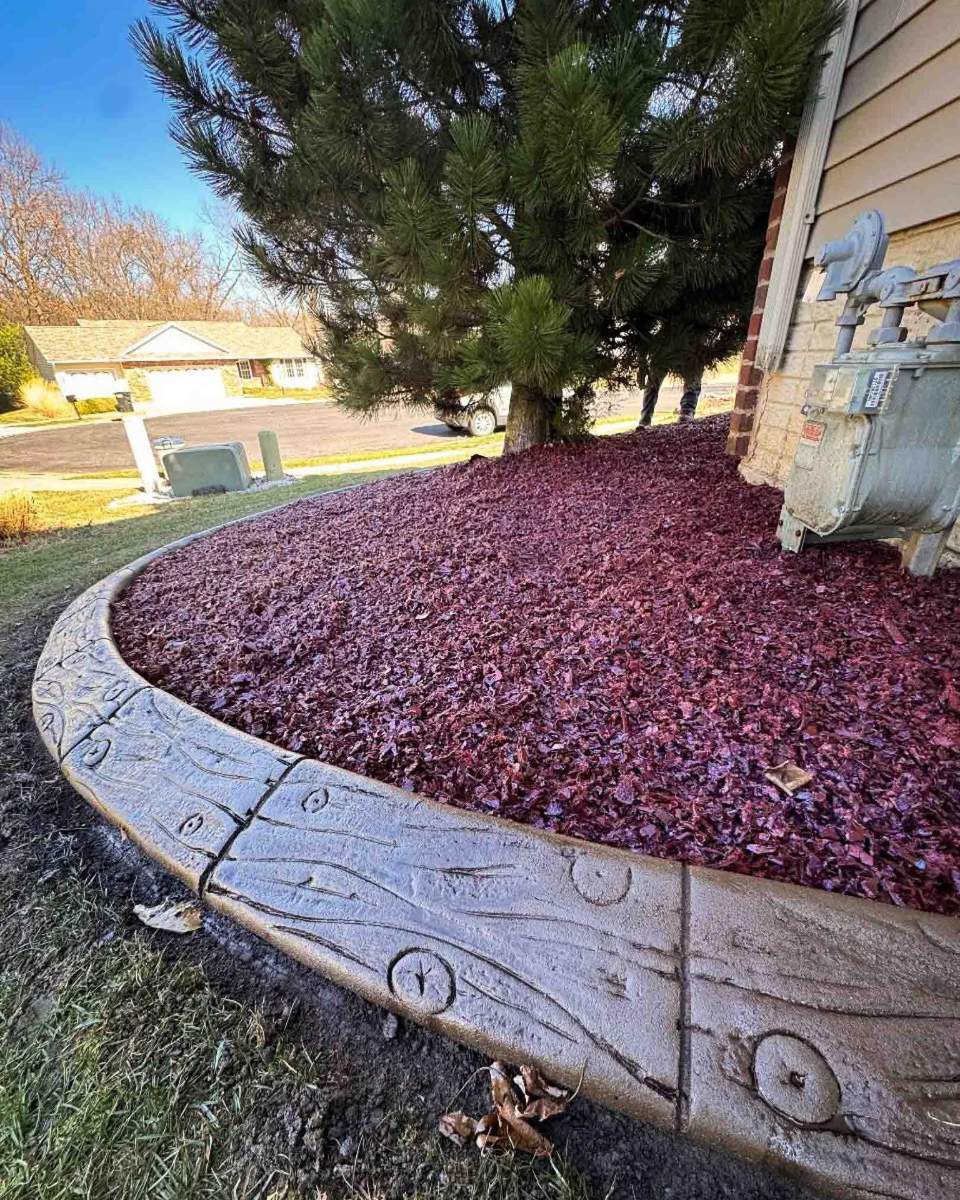
Choosing the right border pattern also depends on your garden layout and how you want to frame different landscape zones. A textured pattern like Missouri Flagstone or Fractured Rock can complement the organic shapes around tree beds, while smoother patterns work well for formal planting areas.
How Far Should Landscape Borders Be From Tree Trunks?
Leave at least 12 to 18 inches between the tree trunk and your concrete edging. This spacing prevents moisture buildup against the bark, allows air circulation, and gives the trunk room to expand as the tree matures. For young trees that will grow significantly, consider leaving 24 to 36 inches.
The border doesn’t need to form a perfect circle. Following the natural drip line—where water falls from the outermost branches—creates a more organic look and better matches the tree’s root zone. AE Landscape Borders can create curved, flowing designs that feel intentional rather than constrained by rigid geometry.
Working Around Existing Flower Beds and Shrubs
Established landscaping presents its own planning considerations. Before installation, identify which plants you want inside the bordered area and which should remain outside. Perennials that spread aggressively may eventually push against even concrete edging, so plan your layout with mature plant size in mind.
Proper drainage plays a role in how long your edging lasts and how well your plants thrive within the defined beds. AE Landscape Borders positions curbing to direct water flow appropriately, preventing pooling near sensitive plants while keeping mulch and soil contained during heavy rains. Their lifetime warranty on the curbing means you won’t need to worry about replacing failing edging as your landscape matures.
Most installations around trees and existing beds take just one day to complete, though larger projects with multiple tree borders may require two days. The concrete needs up to 28 days to fully cure, but you can typically resume light watering and basic landscape maintenance within a few days of installation.
Common Obstacles and How Professional Installation Handles Them
Trees rarely grow in isolation. Underground sprinkler lines, buried utility wires, existing root systems, and uneven terrain all complicate DIY edging projects. Professional installers from AE Landscape Borders encounter these obstacles daily and know how to work around them without damaging infrastructure or plants.
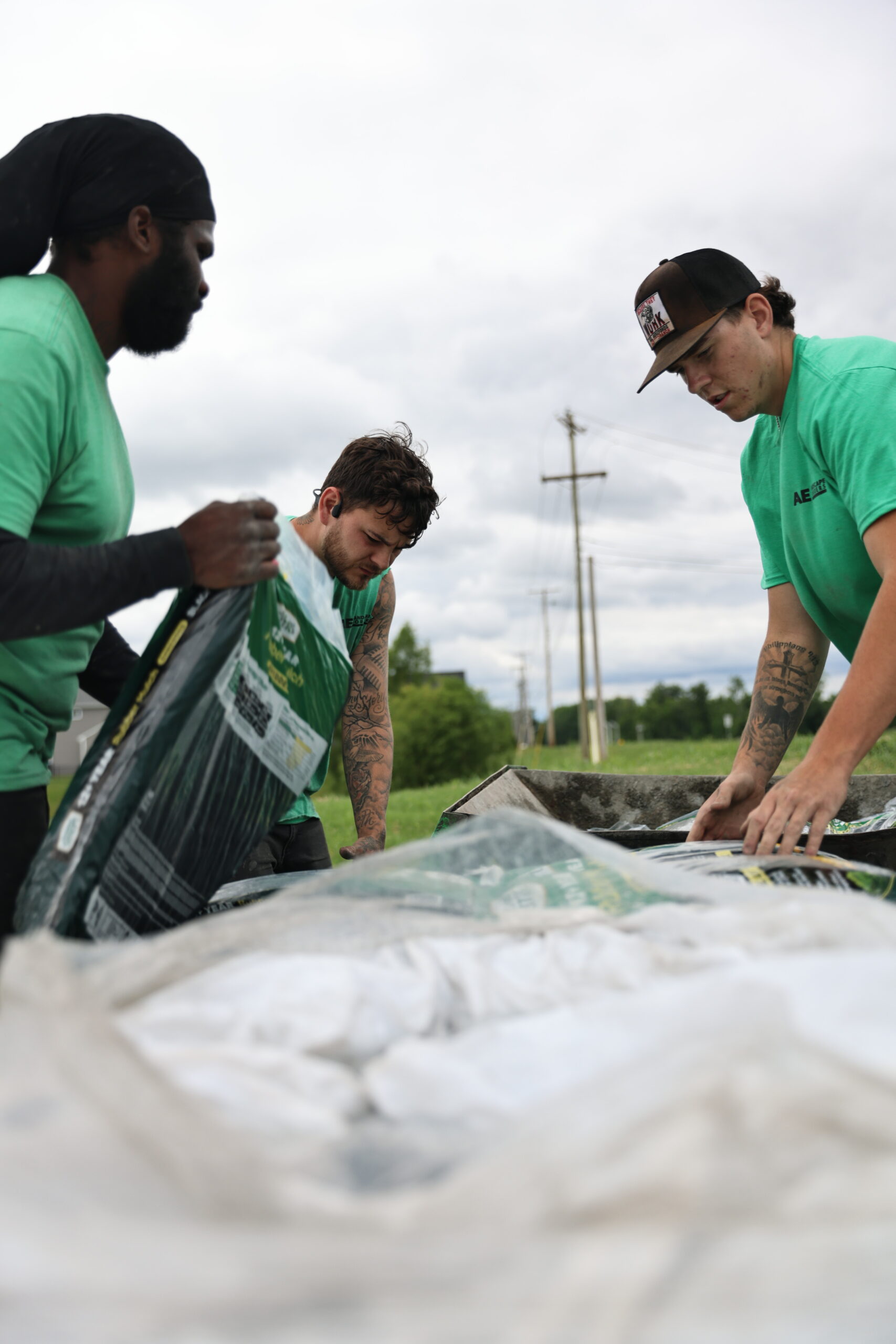
Sprinkler heads near tree beds can be adjusted or repositioned during installation. Buried lines get marked and avoided. The installation crew brings specialized equipment to cut clean borders even on slopes or in compacted soil. These aren’t occasional challenges—they’re standard complications that experienced teams handle as part of every project.
Frequently Asked Questions
Can concrete curbing damage tree roots?
Properly installed decorative concrete edging does not damage tree roots. Professional installers assess root locations during the estimate and adjust the border path to avoid cutting major roots. The shallow trench required for curbing installation typically only affects small surface roots, which trees can easily recover from.
What happens if a tree root grows under the concrete border later?
Quality concrete curbing installed by AE Landscape Borders includes a reinforced design that resists heaving from root growth. If a major root does eventually push against the border, their lifetime warranty covers repairs. The thick concrete and proper installation technique prevent the cracking and displacement common with plastic or metal edging.
How do I decide which existing plants to include inside the border?
Group plants with similar water and maintenance needs inside bordered beds. Include ground covers and perennials that look intentional around the tree base. Leave aggressive spreaders and plants that need different care outside the border, where they can expand naturally without pushing against the edging.
Ready to create beautiful, lasting borders around your trees and landscaping? Contact AE Landscape Borders for a free onsite estimate. Their experienced team will assess your property’s unique challenges and design decorative concrete edging that enhances your landscape for decades to come.