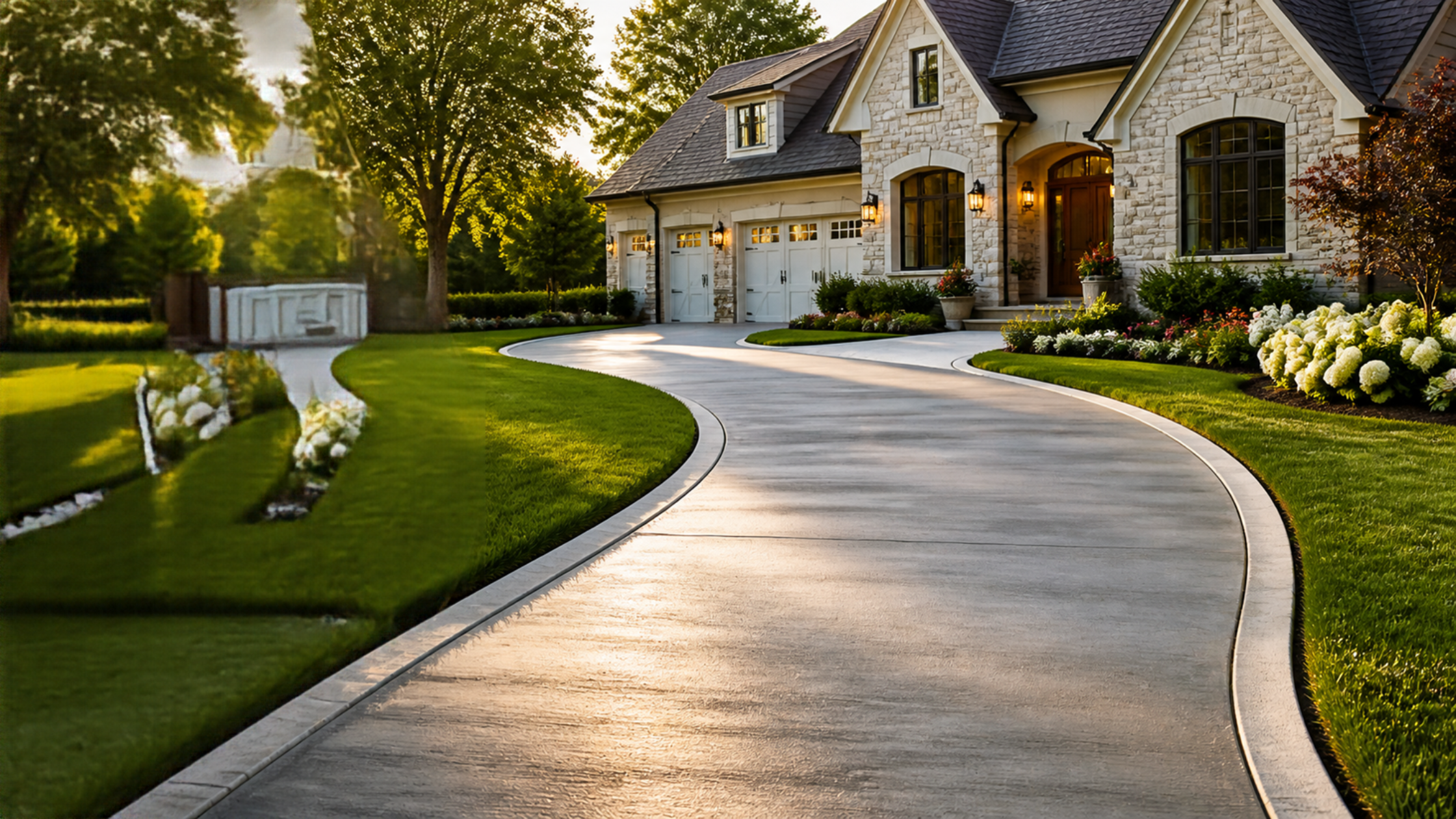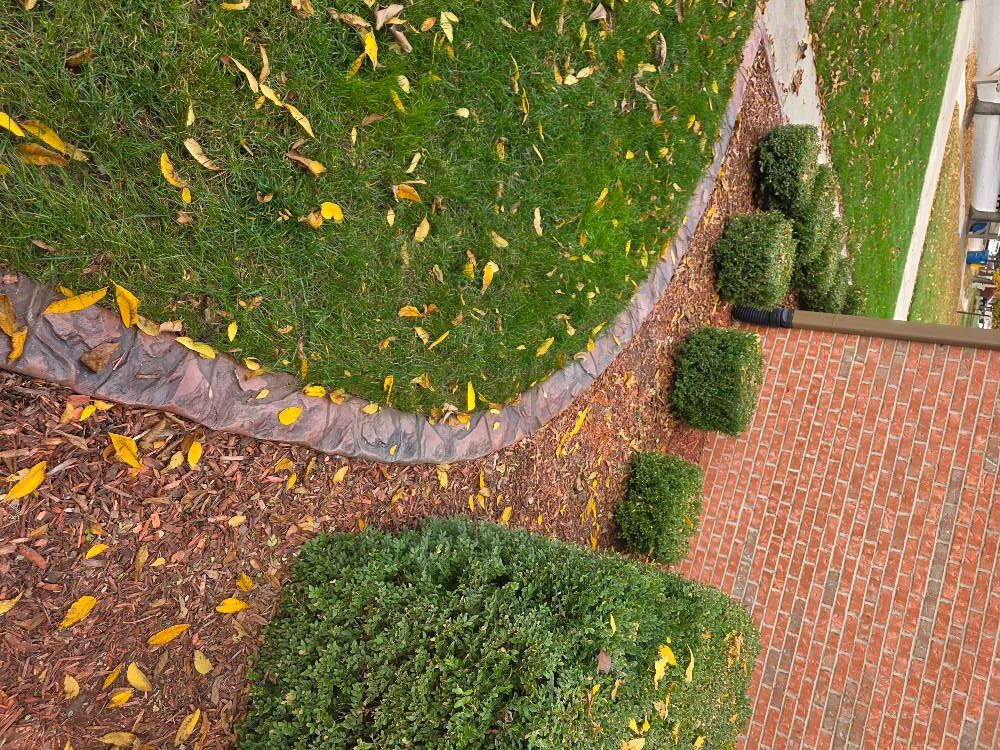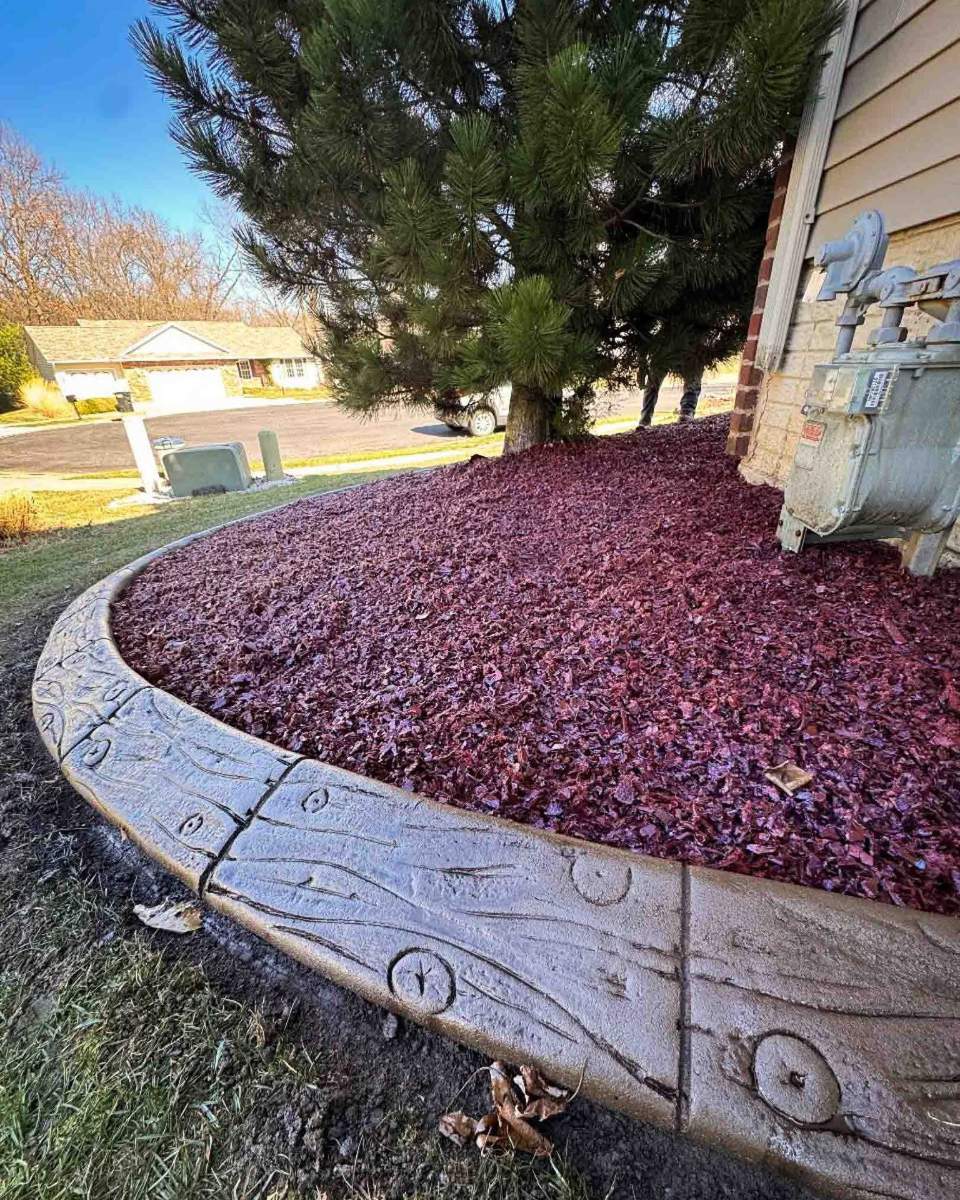


Quick Answer: Fort Wayne’s first freeze typically arrives in mid-to-late October, and landscape beds need attention before then to survive winter. Clearing debris, mulching, and installing durable concrete landscape edging protects plant roots and keeps beds structurally sound through freeze-thaw cycles. AE Landscape Borders helps homeowners prepare beds with professional landscape edging Fort Wayne IN residents can count on year after year.
Key Takeaways
- Fort Wayne’s growing season typically ends with the first hard freeze in mid-to-late October, making early fall the ideal window to winterize landscape beds.
- Mulching, clearing debris, and protecting perennial root systems are essential steps that prevent frost heave and plant damage over winter.
- Installing concrete landscape edging before freeze season helps beds hold their shape through repeated freeze-thaw cycles, reducing spring repair work.
Fort Wayne winters don’t ease in gently. One week you’re pulling weeds in a light jacket, and the next, frost is coating the grass before sunrise. That shift catches a lot of homeowners off guard, especially when it comes to their landscape beds. Soil that isn’t properly prepared before the first freeze can heave, shift, and damage plant roots, undoing a full season of work in just a few cold nights.
The good news is that preparing your beds doesn’t take much time if you know what to prioritize. This guide walks through what actually matters before the ground freezes, and why durable landscape edging Fort Wayne IN homeowners install now tends to pay off every single winter after.
When does the first freeze typically hit Fort Wayne?
Fort Wayne’s average first frost date falls between mid-October and early November, though the exact timing shifts year to year depending on weather patterns. Once nighttime temperatures start dipping into the mid-30s consistently, it’s a strong signal that a hard freeze isn’t far behind.
Waiting until frost is already on the ground to start bed prep puts your plants at a disadvantage. Soil that’s already begun to freeze is harder to work with, and tender root systems may already be under stress. Aim to start your freeze prep in late September or early October, giving yourself a buffer before the real cold sets in.
What should you do to prepare landscape beds before winter?
Preparing a landscape bed for freezing temperatures comes down to a handful of core tasks. Skipping any one of them increases the odds of winter damage.
Clear out dead plant material and debris
Dead annuals, spent perennial stems, and fallen leaves all hold moisture against the soil surface. That moisture freezes and thaws repeatedly through the winter, which can promote fungal disease and rot in the spring. Cut back dead growth, rake out leaf litter, and remove any weeds before the ground freezes solid.
Add a fresh layer of mulch
A two-to-three-inch layer of mulch insulates soil temperature and slows the freeze-thaw cycle that damages roots. This matters most for perennials and shrubs with shallow root systems, since repeated freezing and thawing can physically push roots up out of the soil, a problem known as frost heave. Apply mulch after the first light frost but before a hard freeze, once the soil has cooled but hasn’t fully frozen.
Water beds before the ground freezes
It sounds counterintuitive, but well-hydrated soil actually insulates roots better than dry soil. Give your beds a deep watering in the weeks leading up to the first freeze, particularly if fall rainfall has been light. Moist soil holds heat more effectively and buffers plant roots from sudden temperature swings.
Protect vulnerable plants
Newly planted shrubs, roses, and marginally hardy perennials benefit from extra protection. Burlap wraps, straw mulch, or protective covers can shield these plants from harsh wind and extreme cold during their first winter in the ground.
Why does landscape edging matter for winter freeze protection?
Landscape edging does more than create a clean line between your beds and lawn. It plays a structural role in how your beds handle the freeze-thaw cycle all winter long.
Soil expands as it freezes and contracts as it thaws, and that movement happens constantly throughout a Fort Wayne winter. Without a stable border, this shifting causes mulch to migrate, bed edges to erode, and soil to spill onto walkways and lawns. Spring cleanup ends up taking far longer than it should, and the clean lines you worked for in the fall are gone by April.
Concrete landscape edging solves this problem because it’s built to withstand that movement. Unlike plastic or steel edging, which can warp, heave, or crack under repeated freezing, properly installed concrete edging holds its shape season after season. It creates a firm barrier that keeps mulch contained, prevents soil erosion, and maintains the defined look of your beds through winter, spring thaw, and beyond.
Why choose concrete edging over plastic or steel for Fort Wayne winters?
Choose concrete landscape edging if long-term durability and low maintenance matter more to you than upfront installation cost. Plastic edging is the cheapest option initially, but it’s also the most prone to cracking and warping in freeze-thaw climates like Fort Wayne’s. Steel edging holds up better than plastic but can still shift over time and requires careful installation to avoid frost heave.
Concrete edging costs more upfront, but it rarely needs replacing. For homeowners who are tired of reinstalling edging every few years, or who want their landscape beds to look sharp without constant upkeep, concrete is the more practical long-term investment.
Get your beds freeze-ready with AE Landscape Borders
Preparing landscape beds for Fort Wayne’s first freeze doesn’t need to be complicated, but it does need to happen before the cold sets in. Clear out debris, mulch generously, water deeply, and protect vulnerable plants. If your beds have struggled with shifting mulch or eroding edges in past winters, now is the time to address the root cause.
AE Landscape Borders installs durable concrete landscape edging designed to hold up through Fort Wayne’s harshest winters. If you’re ready to stop battling frost heave and spring cleanup every year, reach out to AE Landscape Borders to get your beds properly bordered before the first freeze arrives.
Frequently Asked Questions
How early should I start preparing my landscape beds for winter in Fort Wayne?
Start preparing beds in late September or early October, at least a few weeks before the average first frost date in mid-to-late October. This gives you time to mulch, water, and install edging before the ground begins to freeze.
Will concrete edging crack in freezing temperatures?
Properly installed concrete edging, with adequate depth and a stable base, is designed to withstand Fort Wayne’s freeze-thaw cycles without cracking. Poor installation, not the material itself, is the most common cause of cracking over time.
Is mulching necessary if I already have landscape edging installed?
Yes. Edging contains and stabilizes your beds, but mulch insulates the soil and protects plant roots from temperature swings. The two work together, rather than replacing one another.
What happens if I don’t prepare my beds before the first freeze?
Unprepared beds are more vulnerable to frost heave, root damage, and soil erosion. You may also face more extensive cleanup and plant loss once spring arrives.
How long does concrete landscape edging installation typically take?
Installation timelines vary based on the size and layout of your beds, but most residential projects can be completed within a day or two. Contact AE Landscape Borders for a project-specific estimate.