

The 5 Most Common Mistakes Homeowners Make When Planning Landscape Borders
Landscape borders can transform your yard from ordinary to outstanding, but poor planning often leads to wasted time, money, and frustration. Whether you’re considering decorative concrete edging or exploring other options, avoiding these five common mistakes will save you headaches down the road.
Choosing the Wrong Material for Your Climate and Soil
Many homeowners grab whatever edging is on sale at the hardware store without considering how it will hold up in their specific conditions. Plastic edging warps in summer heat and cracks in winter freezes. Metal borders rust and shift over time, especially in areas with freeze-thaw cycles.
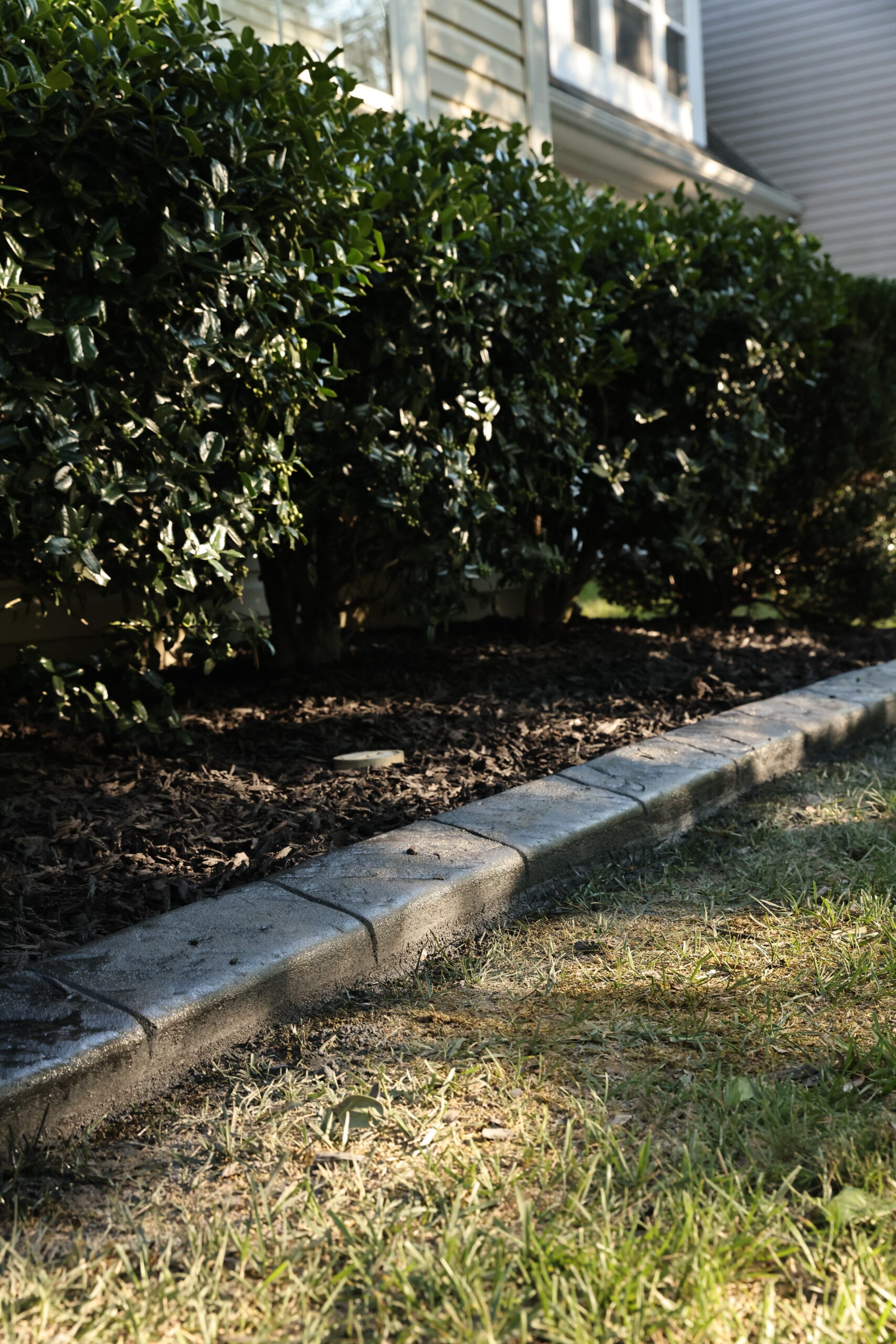
Professional decorative concrete borders from companies like AE Landscape Borders offer a lifetime-warrantied solution that handles temperature extremes, shifting soil, and weather conditions that destroy cheaper alternatives. Concrete curbing stays put, looks great year after year, and doesn’t need constant replacement like plastic or metal options.
Your soil type matters too. Clay soil expands and contracts dramatically, which can push lightweight edging out of place. Sandy soil drains quickly but doesn’t provide much anchor support. Understanding your drainage patterns helps determine the best border installation approach for long-term success.
Not Accounting for Existing Underground Obstacles
This mistake costs homeowners the most time and money. You start installing borders and suddenly hit sprinkler lines, buried cables, tree roots, or drainage pipes. Now you’re either moving the border line, calling professionals to relocate utilities, or working around obstacles that compromise your design.
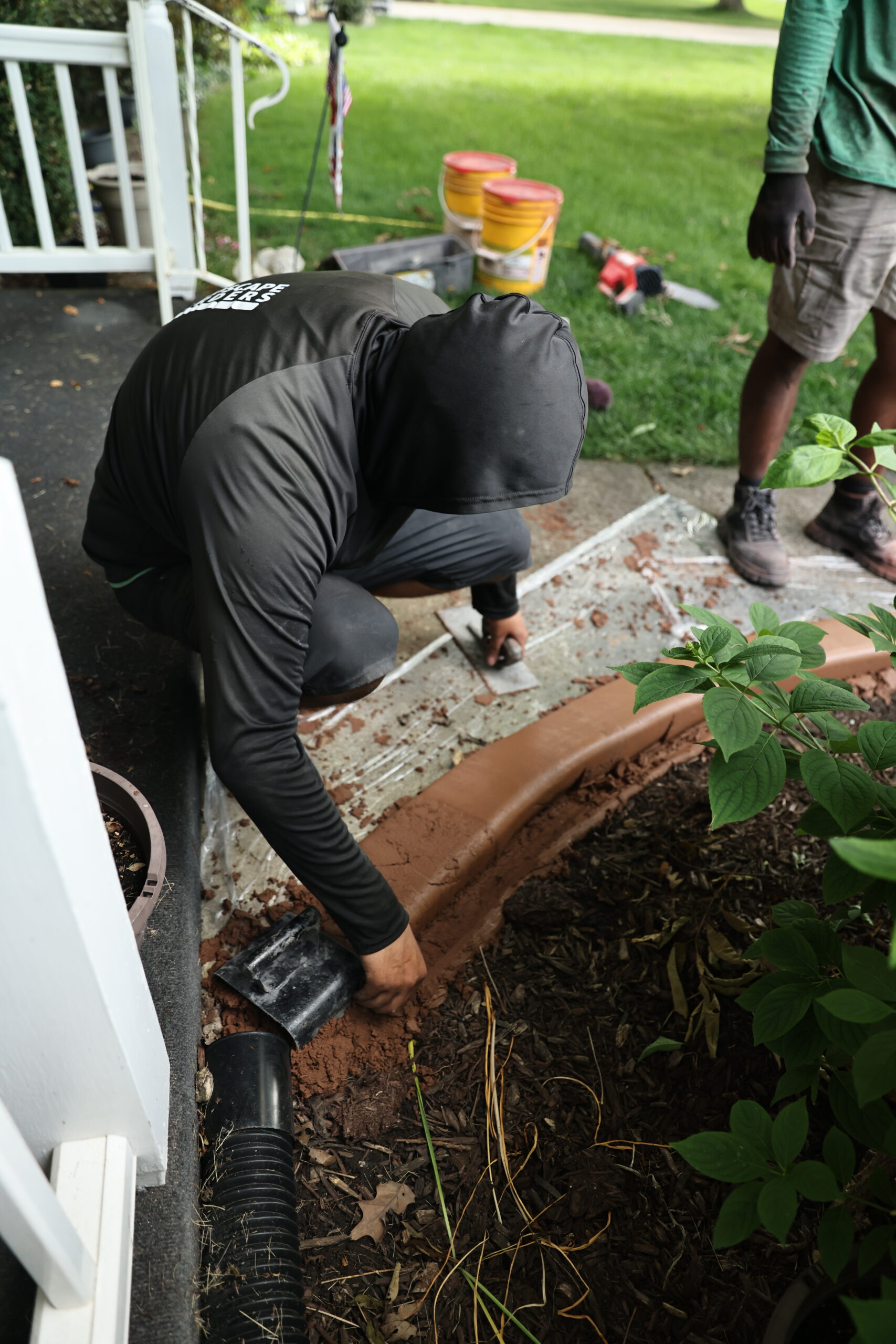
Professional installers like AE Landscape Borders routinely handle these complications during concrete curbing installation. They know how to work around sprinkler systems, navigate tree roots without damaging them, and adjust for underground wires. What seems like a simple DIY project often becomes a multi-day headache when you discover what’s hiding six inches below the surface.
Before you plan border placement, locate your irrigation lines, call 811 to mark utility lines, and observe where mature tree roots likely extend. Tree roots typically spread 1.5 to 3 times wider than the canopy overhead.
How Do I Plan Border Depth and Height Correctly?
Getting dimensions wrong is surprisingly common. Too shallow and the border shifts or heaves. Too tall and it looks awkward or blocks water flow where you need drainage.
Most effective landscape edging extends at least 4-6 inches below ground level and rises 3-5 inches above grade. This depth prevents grass from creeping underneath while the height creates a clean visual separation and reduces mulch washout during heavy rains.
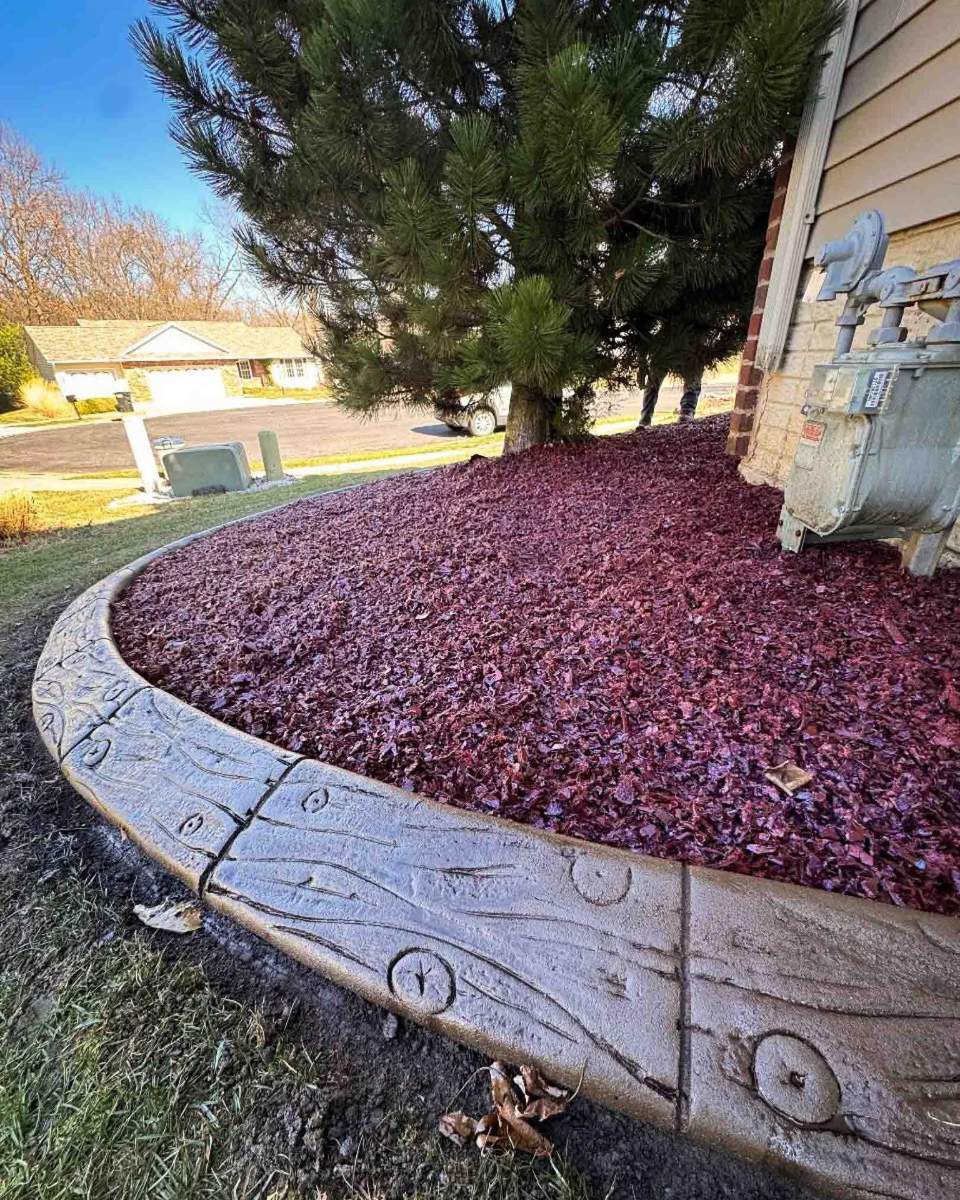
AE Landscape Borders installs decorative concrete edging at proper depths to ensure stability and function. Their experienced crews know exactly how deep to set borders based on your soil conditions and the specific patterns you choose, whether you select Missouri Flagstone, Fractured Rock, or another decorative style.
Consider the functional purpose too. Borders that contain mulch need enough height to prevent washout. Edging around trees should account for the tree adding diameter over time without creating a dam that holds water against the trunk.
Ignoring Long-Term Maintenance Access
Homeowners often create beautiful border designs that make routine maintenance nearly impossible. Borders too close to fences trap debris you can’t reach. Edging around tight corners prevents mower access, forcing you to trim by hand forever. Borders that block walkways create tripping hazards or constant annoyance.
Think about how you’ll mow, edge, trim, mulch, and prune after the borders are in. Leave enough space between your landscape borders and fences or structures for basic access. Plan curves wide enough that your mower can navigate them without constant three-point turns.
Professional concrete curbing reduces trimming needs significantly since you can mow right along a solid edge without worrying about hitting flexible plastic or shifting metal. But you still need to plan access for occasional weeding, mulch replenishment, and plant care.
Skipping the Design Mockup Step
The biggest mistake is installing borders without visualizing the final result. What looks good in your head might look cramped, awkward, or unbalanced in reality. Gentle curves on paper become sharp zigzags when marked with spray paint.
Always mark your planned border line with garden hoses, spray paint, or stakes and string before committing. Live with the marked layout for a few days. Look at it from different angles, from your windows, from the street. Adjust curves to feel more natural. Ensure sight lines from your main viewing areas look balanced.
Professional installers do this marking process with you during estimates. When you work with AE Landscape Borders for decorative concrete edging, they help you visualize the layout, suggest adjustments based on experience, and ensure the final design complements your home’s architecture and landscape style. Choosing border patterns and colors also becomes easier when you can see the full scope of the project marked out.
Frequently Asked Questions
How long does landscape border installation take?
Most residential landscape border installations take one day, though larger or more complex projects may require two days. For concrete curbing specifically, while installation completes quickly, the concrete takes up to 28 days to fully cure to maximum strength.
Should I install borders before or after planting?
Install borders after you’ve planned your plant locations but ideally before final planting. This prevents damage to new plants during installation and allows you to adjust bed sizes if needed. However, professional installers can work around existing plantings when necessary.
Can I install landscape borders myself or should I hire professionals?
Simple plastic or metal edging can be DIY projects, but professional decorative concrete borders require specialized equipment and expertise. The cost difference between DIY materials that need frequent replacement and professional concrete curbing with a lifetime warranty often favors the professional installation when you calculate long-term value.
Get Expert Help Planning Your Landscape Borders
Avoid these common mistakes by working with experienced professionals who’ve installed thousands of landscape borders across the Midwest and Southeast. AE Landscape Borders offers free onsite estimates where they’ll assess your property, discuss pattern and color options, work around existing obstacles, and design borders that enhance your home’s curb appeal for decades to come. Contact them today to schedule your consultation and see why hundreds of homeowners trust them with their landscaping projects.