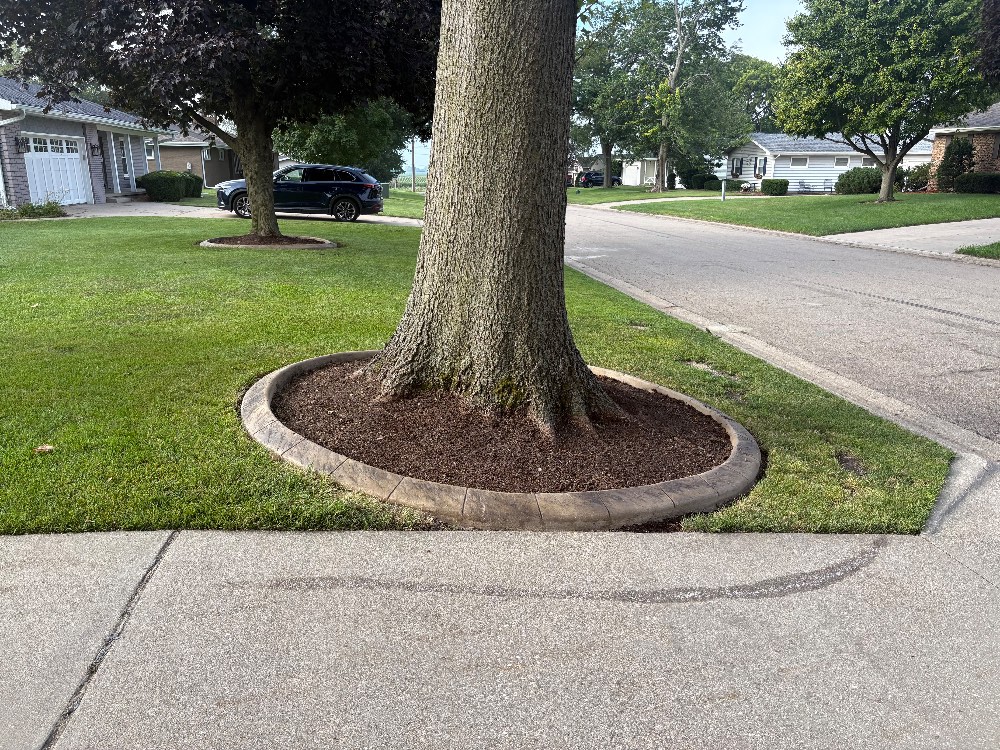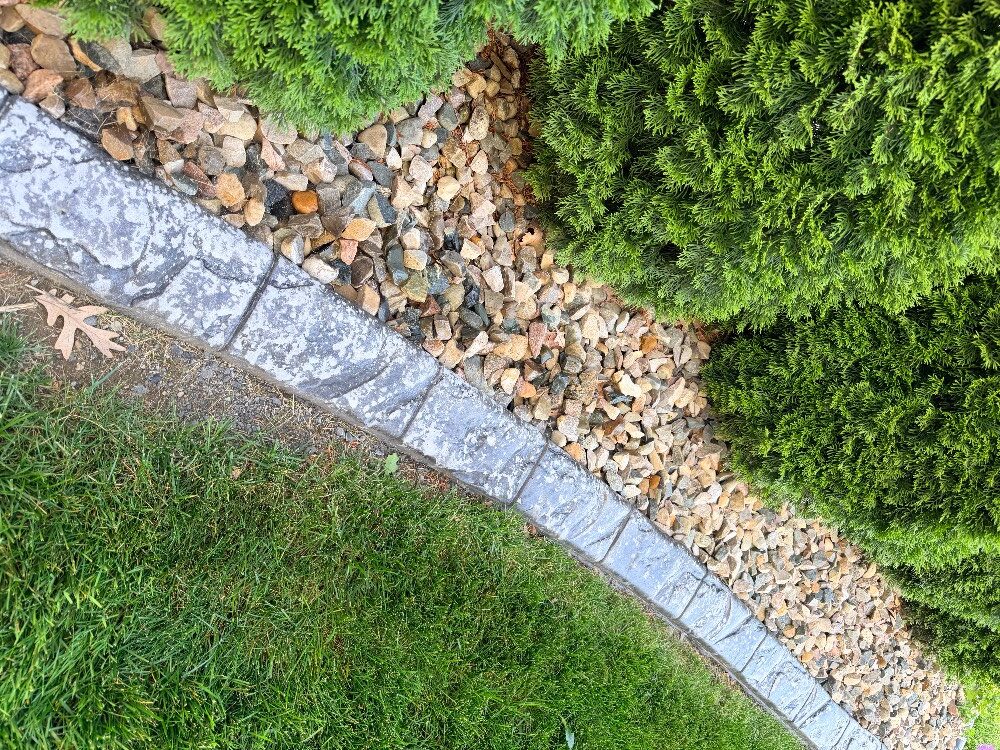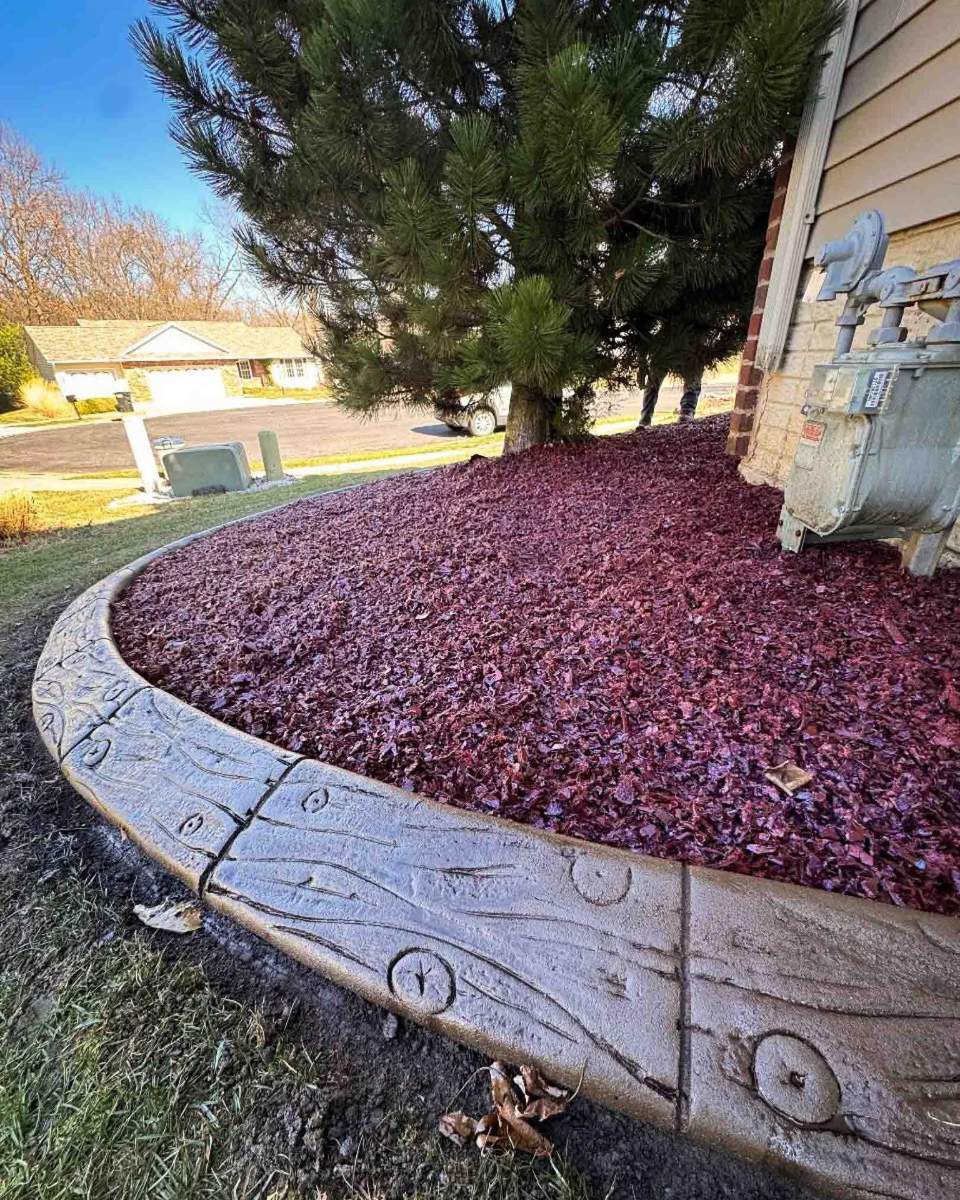


Choosing the right decorative concrete border color can make or break your landscape’s visual appeal. If your beds are filled with mulch, the border color you select needs to complement that mulch tone — not clash with it. The good news? With the right pairing, your concrete curbing can tie your entire landscape together and create a polished, high-end look.
Why Border and Mulch Color Pairing Matters
Your landscape edging is the frame around your garden beds. When the border color works well with your mulch, it creates visual harmony that makes your yard look intentional and well-designed. A mismatch can make even a well-maintained landscape feel off.
AE Landscape Borders offers nine color options for decorative concrete edging, each formulated to complement different landscape styles and mulch tones. Understanding which combinations work best helps you make a confident choice during your consultation.
What Border Colors Work Best with Brown and Red Mulch?
Brown and red mulches are the most common choices for homeowners. These earthy tones pair beautifully with warm border colors that echo natural stone and wood.
For standard brown mulch, Chestnut and Charred Chestnut create a rich, layered look. Sandstone offers a lighter contrast that brightens the bed without competing with the mulch. Rustic Brick works especially well if you have brick elements elsewhere on your property.
Red mulch benefits from deeper border tones. Charred Chestnut and Charcoal provide grounding contrast, while Rustic Brick ties into the reddish tones without being too matchy. Choosing the right border pattern also depends on your garden layout, as texture plays a role in the overall effect.
Border Colors That Complement Black and Dark Mulches
Black mulch has become increasingly popular for its modern, dramatic appearance. It demands border colors that either contrast sharply or blend in sophisticated ways.
Smokey Quartz and Smoke provide striking light-to-dark contrast that makes black mulch pop. This combination works particularly well on contemporary homes. For a more subtle approach, Charcoal creates a monochromatic palette that feels upscale and cohesive.
Cape Cod gray is another excellent option for black mulch, offering enough contrast to define the bed edge while maintaining a cool, modern aesthetic. AE Landscape Borders can show you samples during your onsite estimate to help visualize these combinations.
Pairing Border Colors with Natural and Cedar Mulch
Natural, tan, and cedar mulches have warm undertones that pair well with border colors in the beige and sandstone family. These lighter mulches benefit from borders that add definition without overpowering the bed.
Beige and Sandstone are natural companions for these mulch types, creating a soft, unified look. For homeowners wanting more contrast, Chestnut adds depth while still feeling natural. Proper drainage plays a role in how long your edging lasts, especially in beds with organic mulch that retains moisture.
If your home has stone or stucco exterior elements in warm tones, matching your decorative concrete edging to those colors creates visual continuity across your entire property.
Can You Mix Border Colors in One Landscape?
While it’s possible to use different border colors in separate areas of your yard, most landscapes look more cohesive with a single border color throughout. The exception is large properties where distinct garden zones benefit from individual character.
If you’re considering multiple colors, the team at AE Landscape Borders can walk your property during the estimate and provide recommendations based on sightlines and how different areas relate to each other visually.
Frequently Asked Questions
Should my border be lighter or darker than my mulch?
Both approaches work, depending on the look you want. Darker borders create bold definition and make beds stand out. Lighter borders offer subtle contrast and can make small yards feel more open. Most homeowners choose borders one or two shades different from their mulch for balanced contrast.
Do I need to replace my mulch when I install concrete curbing?
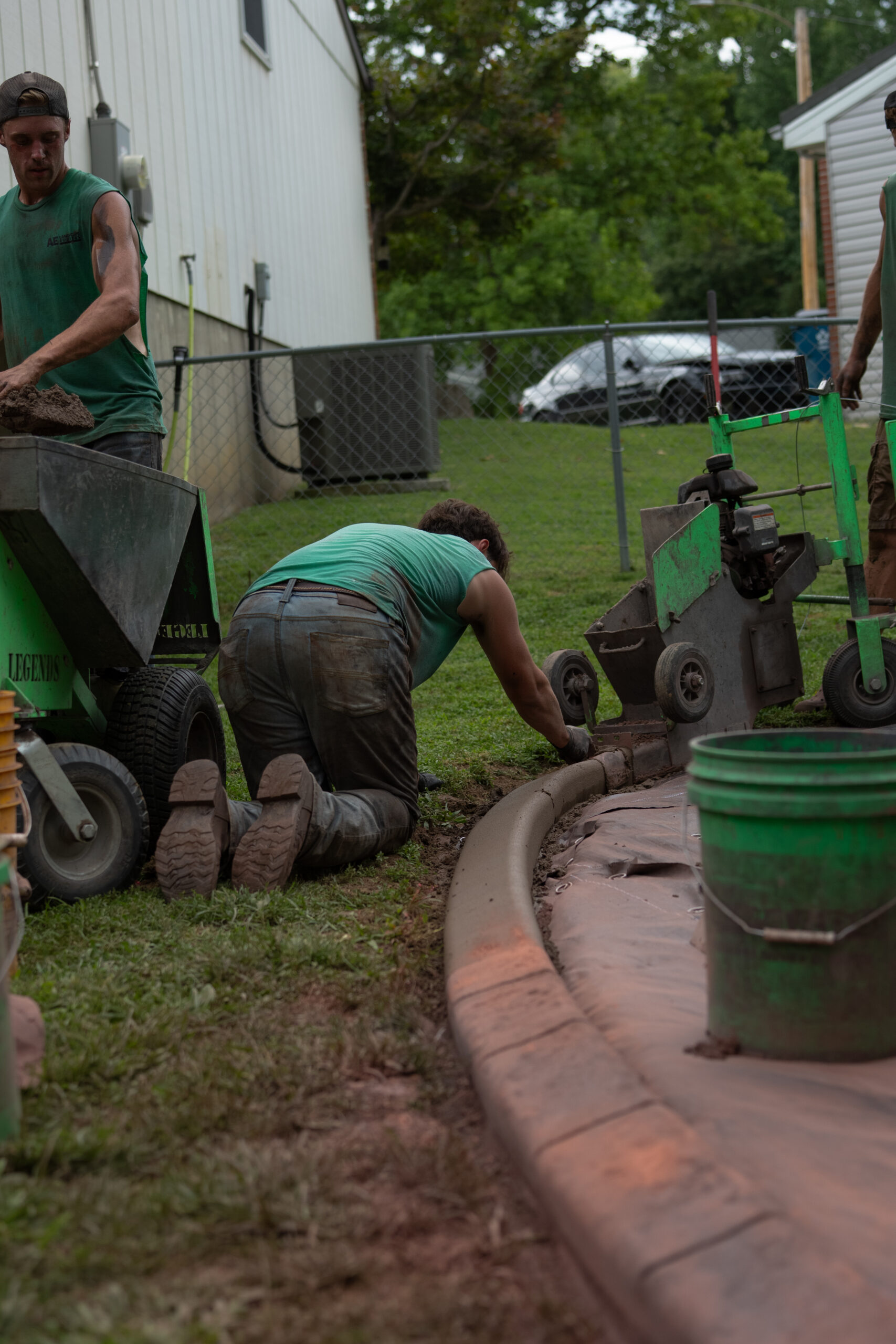
No. AE Landscape Borders installs decorative concrete borders without disturbing existing mulch in most cases. After installation, you can refresh or add mulch as needed. The curbing actually helps keep mulch in place and reduces how often you need to replenish it.
How do I know which color will look best with my house?
Consider your home’s exterior colors, existing hardscape materials, and the overall style you want to achieve. During your free onsite estimate, AE Landscape Borders brings color samples you can place directly against your house and mulch to see the real-world effect before committing.
Ready to see how the right border color can transform your landscape? Contact AE Landscape Borders today for a free onsite estimate. Their team will bring color samples to your property, discuss your vision, and help you select the perfect combination that makes your yard look professionally designed.