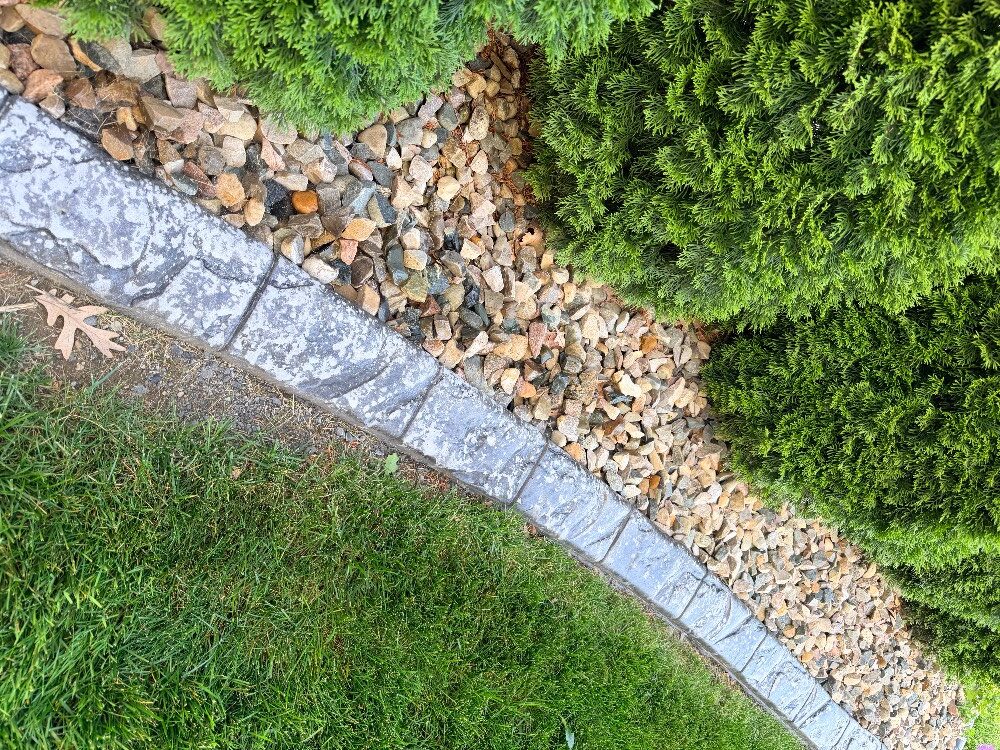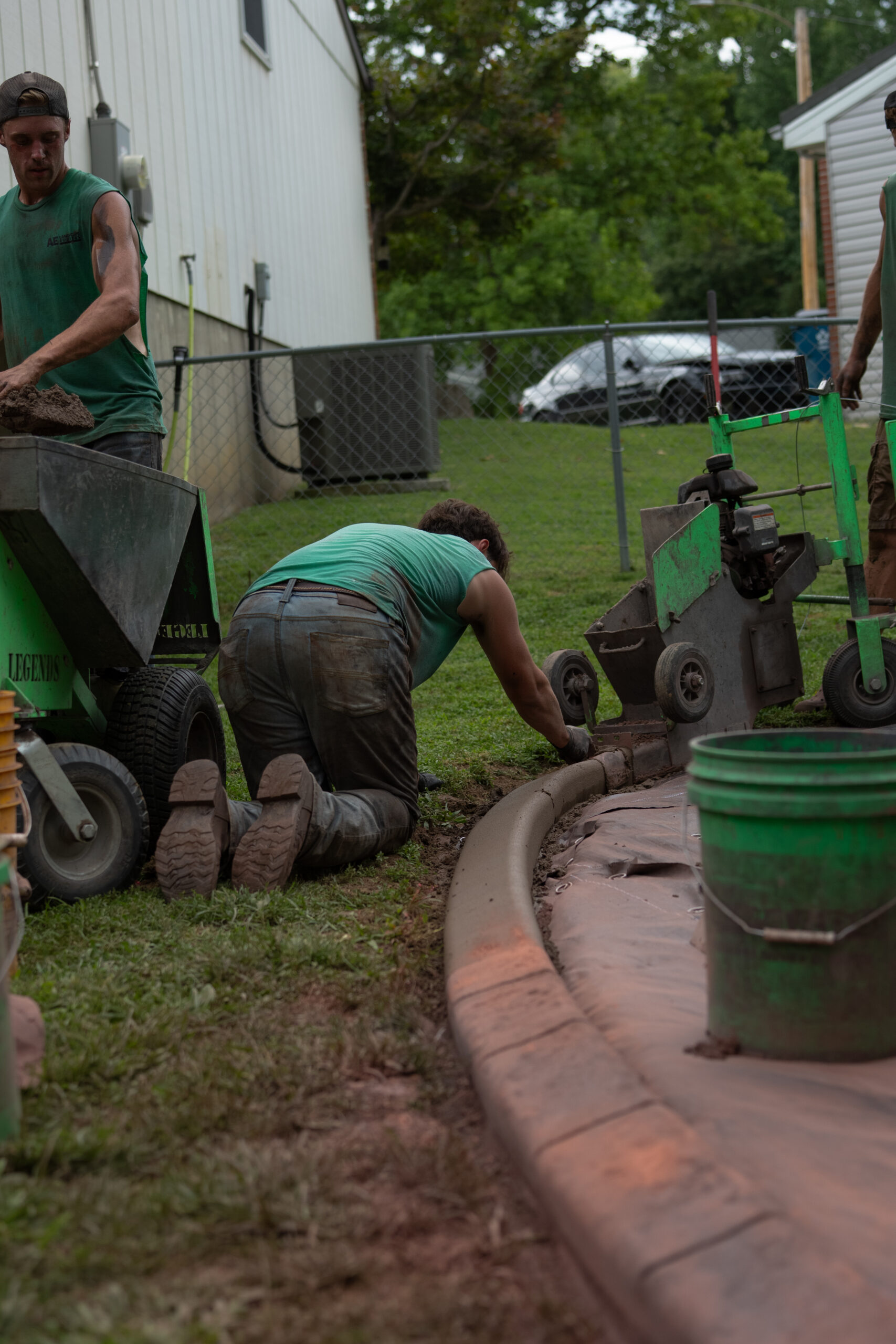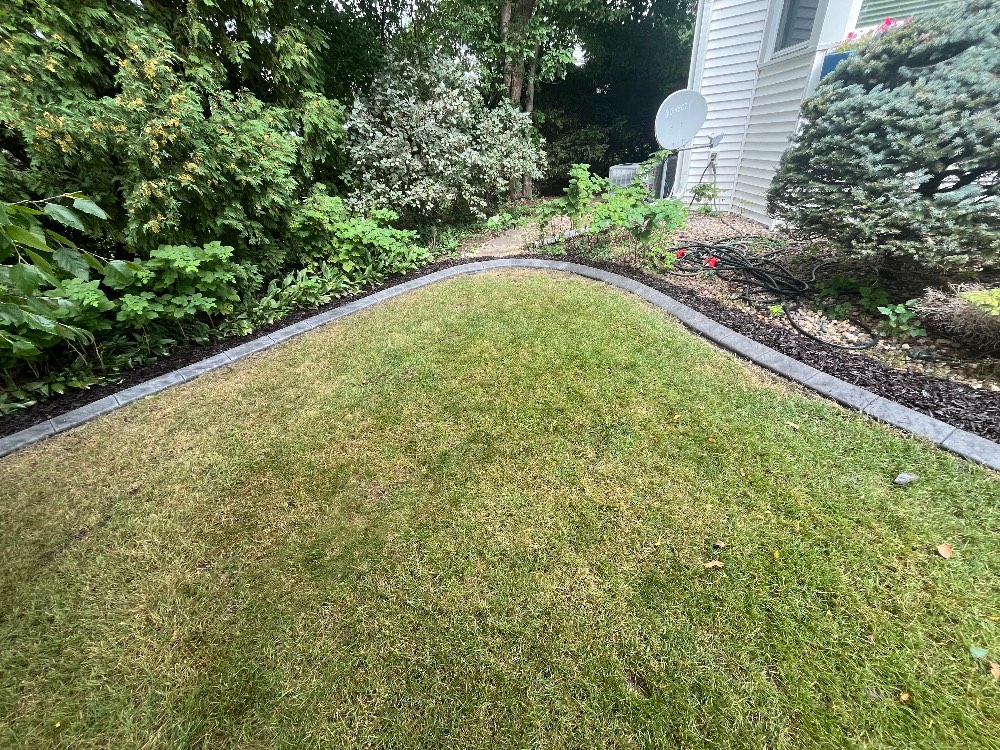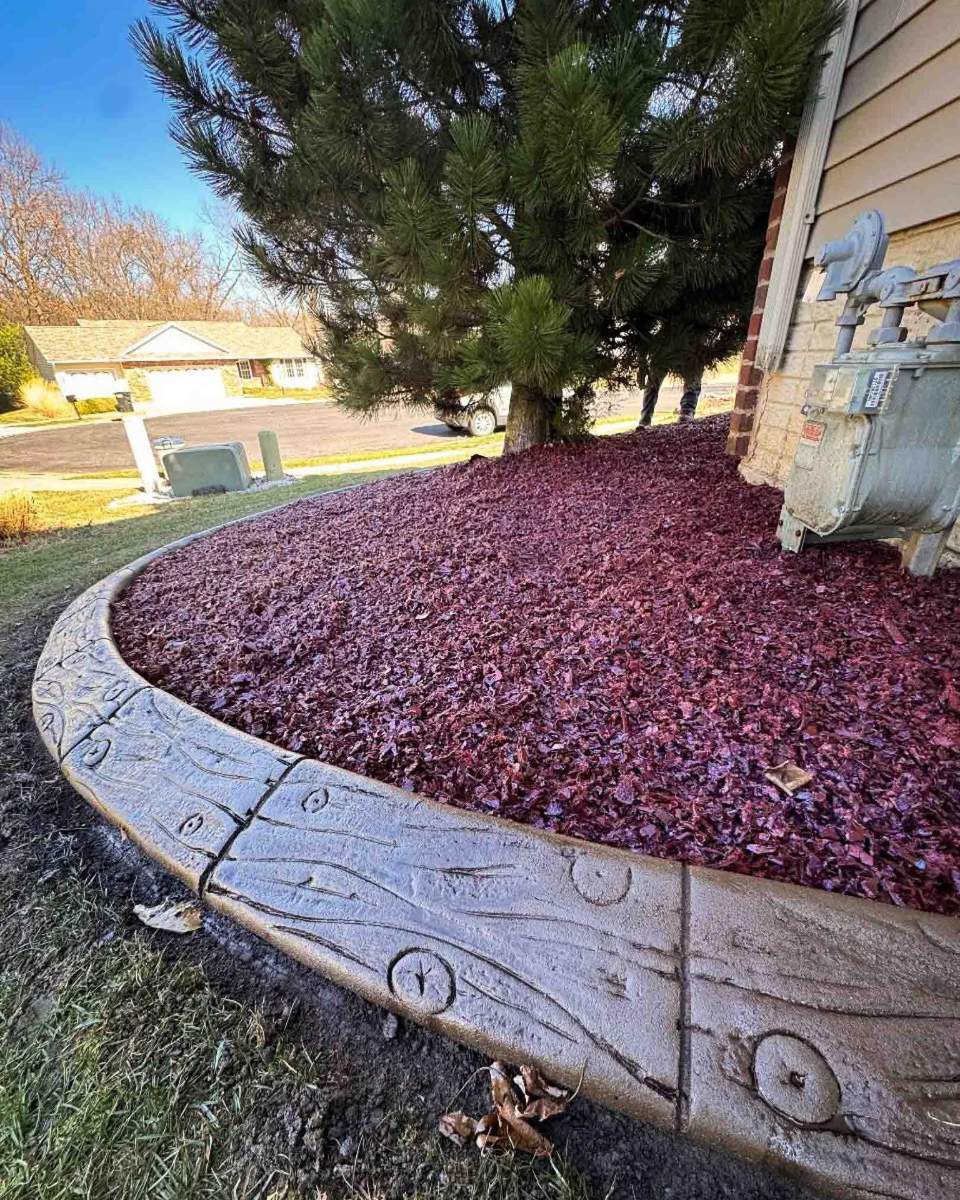


If you’re considering decorative concrete borders for your landscaping, understanding how your soil type impacts installation and long-term stability can help you make informed decisions. Clay and sandy soils behave differently when supporting concrete curbing, and professional installers like AE Landscape Borders account for these differences to ensure your edging lasts a lifetime.
How Does Soil Type Affect Concrete Border Stability?
The soil beneath your landscape edging serves as its foundation. Clay soil retains moisture and expands when wet, then contracts as it dries. This constant movement can create pressure against concrete borders or cause settling over time.
Sandy soil drains quickly but doesn’t compact as firmly as clay. While this means less expansion and contraction, it can lead to shifting if the base isn’t properly prepared. The key difference is how each soil type holds moisture and responds to weather changes throughout the seasons.
Professional installers assess your soil conditions before starting any project. This evaluation determines what preparation steps are needed to create a stable base for your decorative concrete edging.
Installing Borders in Clay Soil
Clay soil presents unique challenges because of its expansive nature. When AE Landscape Borders works in clay-heavy areas, proper trenching and base preparation become essential. The trench must be deep enough and wide enough to accommodate the curbing while allowing for slight soil movement.
In clay conditions, compaction matters more than you might think. The installer creates a firm base that resists the push and pull of expanding clay. Some situations require additional drainage considerations to prevent water from pooling against the border, which could accelerate any shifting.
The good news is that properly installed concrete curbing in clay soil remains incredibly stable. The weight and continuous form of the border, combined with correct installation techniques, resists the forces that clay soil exerts over time.
Working With Sandy or Loose Soil
Sandy soil drains well, which means less expansion pressure on your landscape borders. However, loose sandy soil requires thorough compaction during installation to prevent the edging from settling unevenly as the ground beneath it shifts.
Installers typically compact sandy soil in layers, ensuring each level is firm before adding more material. This creates a stable foundation that won’t wash away or shift during heavy rains. The trench preparation looks similar to clay installations, but the compaction process takes extra attention.
AE Landscape Borders has installed decorative concrete borders in every soil type across the Midwest and Southeast. Their crews know how to adapt installation techniques based on what they find when they break ground at your property.
Why Professional Installation Matters for Soil Conditions
DIY edging products don’t account for soil variations. Plastic and metal borders flex with soil movement, which sounds good in theory but often leads to uneven edges, gaps, and constant readjustment needs. Choosing the right border pattern also depends on your garden layout and how water flows across your property.
Professional concrete curbing installation addresses soil type from the start. Experienced crews recognize clay versus sand immediately and adjust their approach. They compact correctly, trench to the right depth, and ensure the concrete bonds properly with its base.
This attention to foundation work is why AE Landscape Borders can offer a lifetime warranty on their curbing. They’re not just pouring concrete—they’re creating a stable, long-lasting border system engineered for your specific property conditions.
Frequently Asked Questions
Will my concrete borders crack if I have clay soil?
Properly installed decorative concrete borders resist cracking even in expansive clay soil. Professional installation includes base preparation that accommodates soil movement, and the continuous concrete form provides strength that prevents cracking under normal conditions.
How long does it take for concrete curbing to fully cure in different soil types?
Concrete curbing takes up to 28 days to reach full strength regardless of soil type. However, most installations are stable enough for light foot traffic within 24 hours. The soil beneath doesn’t affect cure time, but it does influence long-term stability.
Can landscape borders be installed if my yard has mixed soil types?
Yes, experienced installers regularly work with properties that have varying soil conditions. They adjust preparation techniques for different areas of your yard to ensure consistent stability throughout the entire border installation.
Ready to add durable, attractive edging to your landscape? Contact AE Landscape Borders today for a free onsite estimate. Their team will assess your specific soil conditions and explain exactly how they’ll ensure your decorative concrete borders stay beautiful and stable for decades to come.