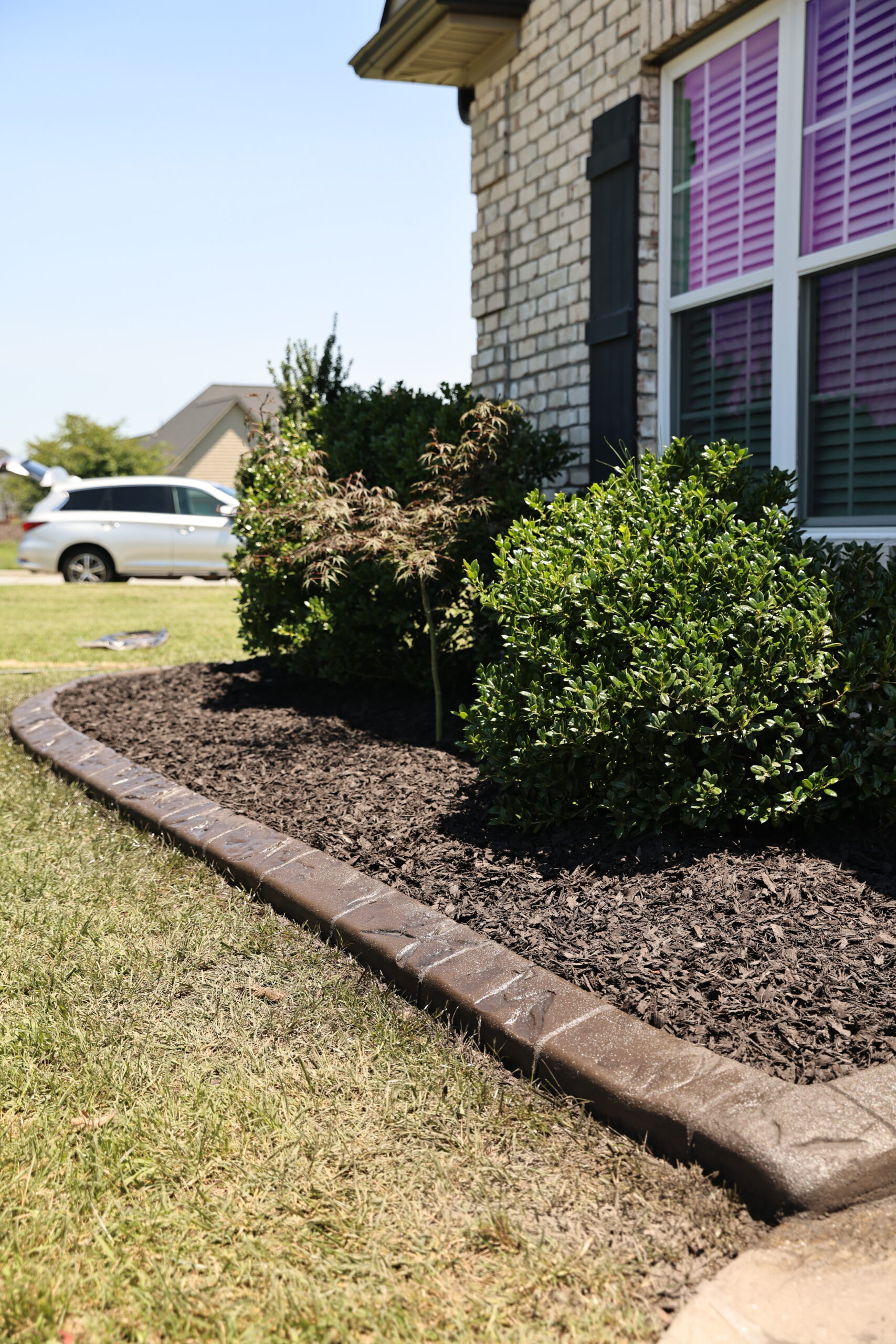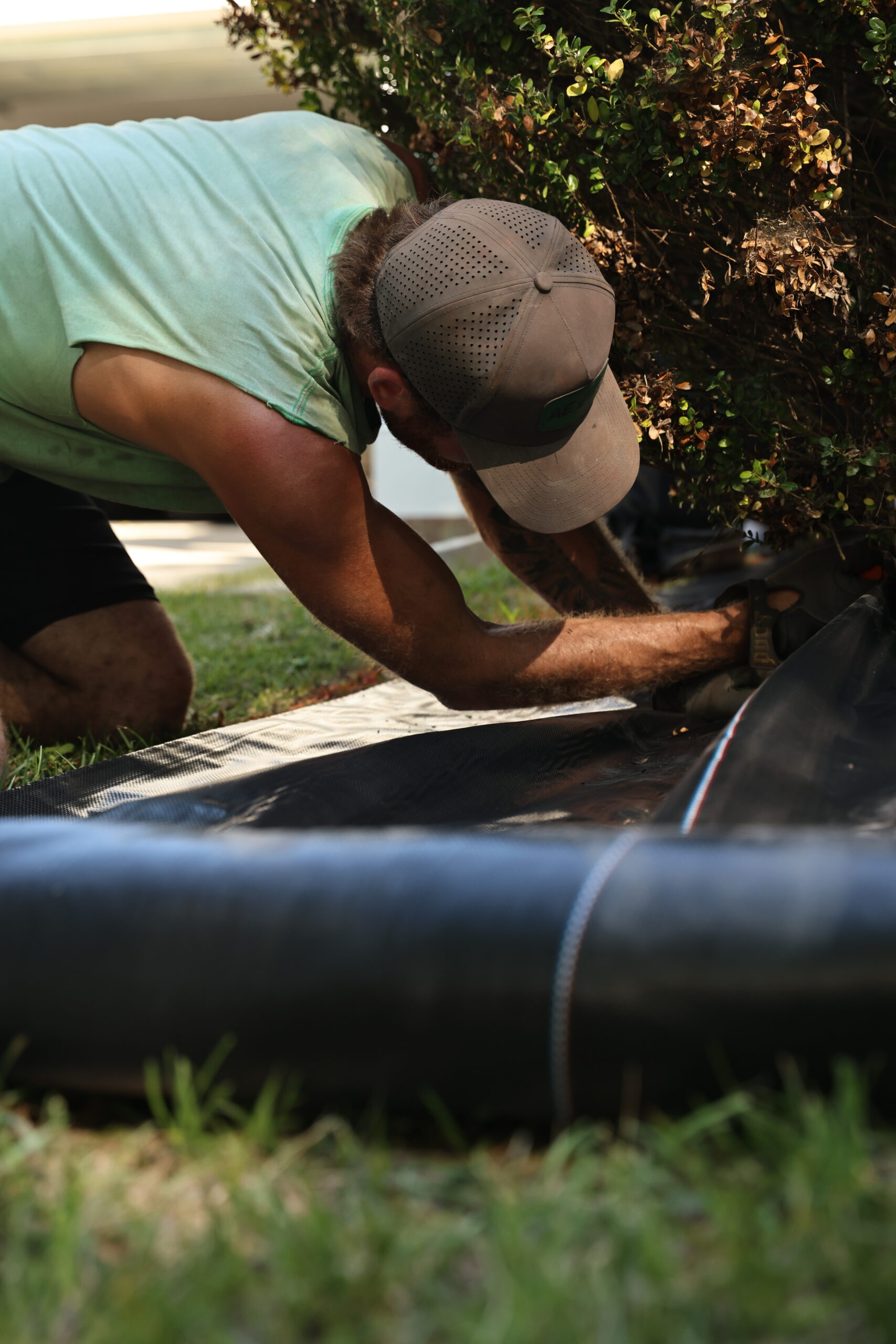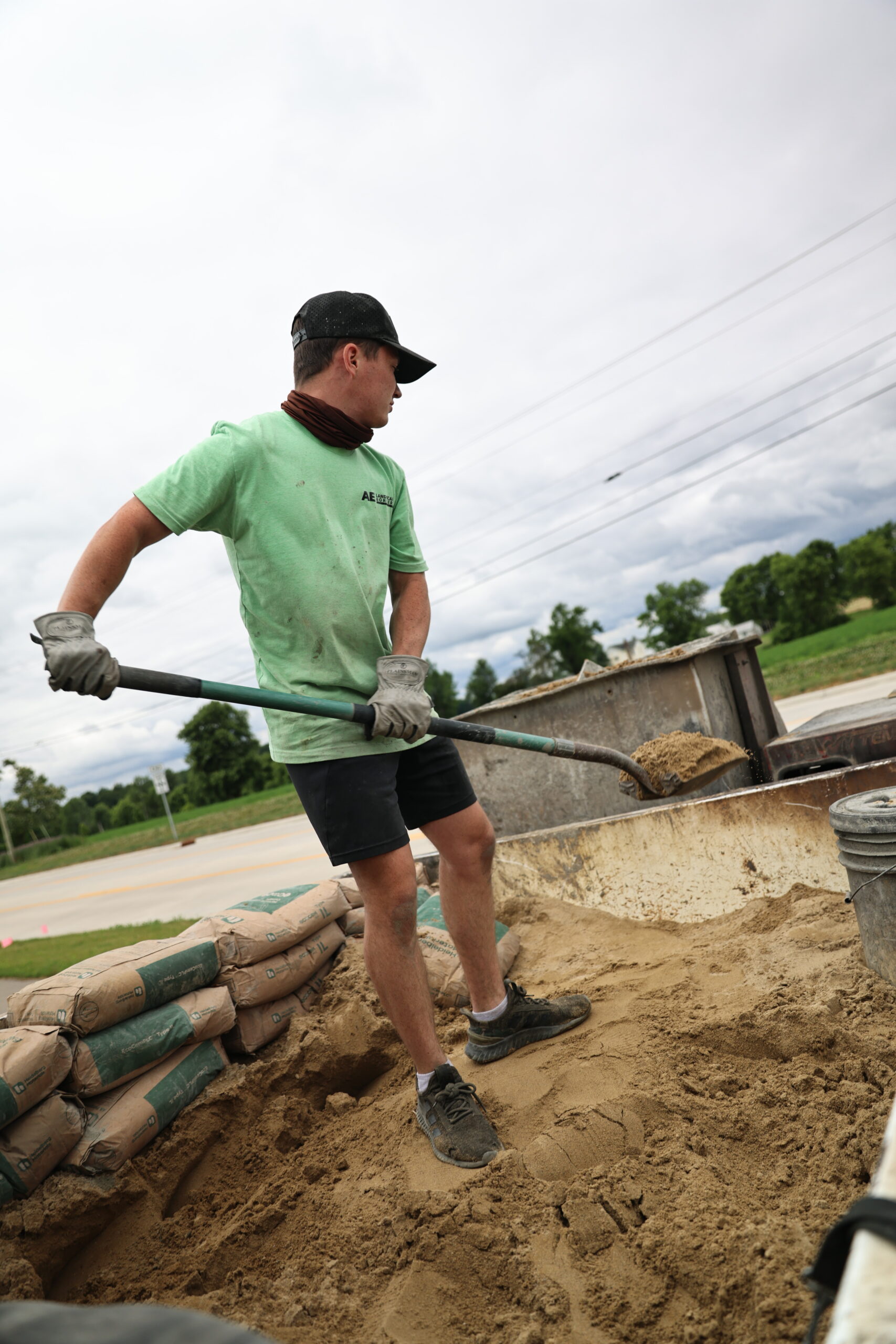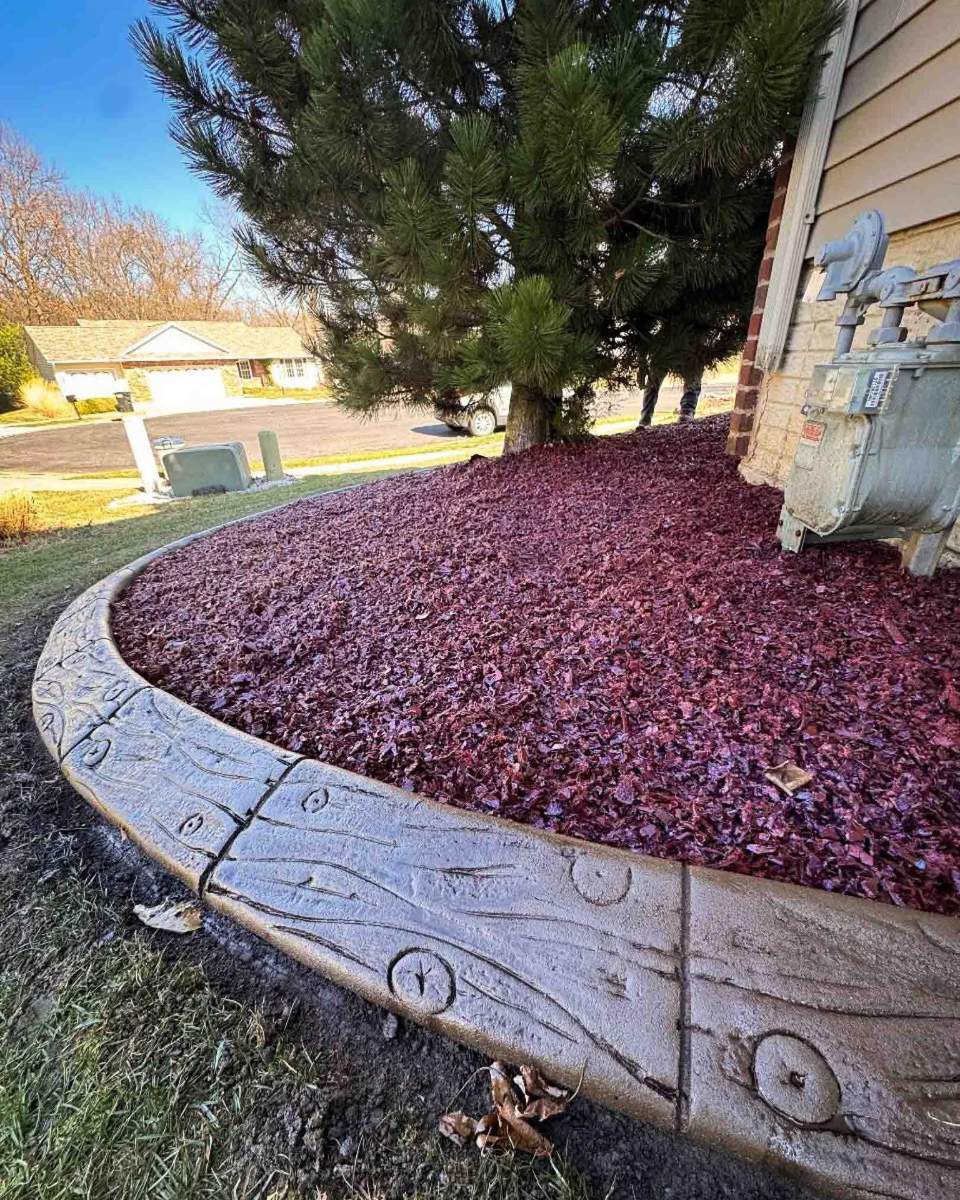


Installing decorative concrete borders on sloped or uneven terrain requires specialized techniques that go far beyond simply pouring edging along the ground. Professional installers like AE Landscape Borders use grading strategies, proper base preparation, and curved transition techniques to ensure your concrete curbing looks great and lasts decades—even on challenging yards.
Why Slopes and Grades Matter for Landscape Edging
Uneven terrain creates several challenges for concrete borders. Water naturally flows downhill, which can undermine poorly installed edging and cause washouts or cracking. Slopes also affect how the curbing sits visually—if the installer doesn’t account for grade changes, your border can look wavy or uneven from certain angles.
Professional installers assess your yard’s topography before starting work. They identify drainage patterns, measure grade changes, and plan the curbing path to follow natural contours while maintaining structural integrity. This upfront planning prevents the common problems you see with DIY edging or less experienced contractors.
How Do Installers Keep Concrete Curbing Level on Sloped Yards?
The key technique is called “stepping” or “terracing” the edging. Rather than forcing a continuous border to follow a steep slope, experienced installers create subtle level sections connected by short grade transitions. This approach keeps the top edge of your decorative concrete edging visually consistent while the base adjusts to terrain changes.
AE Landscape Borders uses a continuous concrete extrusion process that allows for smooth transitions between level sections and slopes. The machine can adjust in real-time as installers work, creating seamless curves and grade changes that look natural rather than forced. Proper base preparation also plays a role in how long your edging lasts—they compact and level the foundation before extruding concrete, which prevents settling on slopes.
For particularly steep areas, installers may recommend adjusting your landscape design slightly. Sometimes adding or removing a small amount of soil creates a more gradual transition that’s easier to edge and better for long-term drainage. These adjustments are discussed during your free onsite estimate.
What About Drainage on Sloped Properties?
Water management is critical when installing concrete curbing on grades. Professional installers position borders to direct water away from foundations and prevent pooling behind the edging. On slopes, this often means creating slight gaps or weep points where water can pass through rather than building up pressure against the curbing.
AE Landscape Borders factors in existing drainage patterns, downspouts, and natural water flow when planning your border placement. They also work around underground obstacles like sprinkler lines and tree roots that affect both installation and long-term performance. Choosing the right border pattern also depends on your garden layout and how water moves through your landscaping after heavy rain.
The concrete itself needs time to cure properly, especially on slopes where gravity can affect the material before it fully hardens. Most installations take just one day to complete, but the concrete continues strengthening for up to 28 days. During this period, the base preparation and proper installation technique become even more important on uneven terrain.
Comparing Professional Installation to DIY Edging on Slopes
Plastic and metal edging options struggle on slopes because they lack the structural rigidity to maintain clean lines on uneven ground. You’ll often see these materials pull away from the soil, create gaps, or shift after a few seasons. Decorative concrete edging installed by professionals like AE Landscape Borders resists these issues because it’s custom-formed to your specific terrain and backed by a lifetime warranty.
The continuous extrusion process creates a monolithic border without joints or seams that can separate on slopes. This makes concrete curbing particularly well-suited for challenging yards where cheaper alternatives fail quickly. The installation also addresses long-term concerns like frost heave and soil settlement that affect sloped properties differently than flat terrain.
Frequently Asked Questions
Can you install decorative concrete borders on steep hills?
Yes, professional installers can work on most residential slopes using terracing techniques and proper base preparation. Very steep grades may require landscape modifications for best results, which are discussed during your estimate.
How long does concrete curbing last on sloped yards?
When properly installed, decorative concrete edging lasts decades on slopes—AE Landscape Borders backs their work with a lifetime warranty. The key factors are correct base preparation, appropriate drainage planning, and professional installation technique.
Will my concrete borders crack on uneven ground?
Professional installation minimizes cracking risk through proper base compaction and controlled curing. The continuous extrusion process creates flexible transitions that accommodate ground movement better than segmented edging materials.
If you’re dealing with slopes, drainage challenges, or uneven terrain in your yard, AE Landscape Borders provides free onsite estimates where they assess your specific property and explain how they’ll handle your landscape’s unique characteristics. Contact them today to discuss your decorative concrete curbing project.