

Quick answer: Fall is ideal for redesigning overgrown landscape beds because cooler temperatures reduce plant stress, soil retains summer warmth to support root establishment, and clearing beds now prevents weeds and debris from taking over through winter. Installing concrete landscape edging in fall also means your yard is ready to shine come spring, without the scramble of peak-season projects.
Key Takeaways
- Fall’s mild weather and warm soil create ideal conditions for plant roots to establish before winter dormancy.
- Redesigning now—including adding landscape edging Fort Wayne IN homeowners trust—prevents weed overgrowth and erosion through the colder months.
- Starting in fall means your beds are fully refreshed and ready to flourish as soon as spring arrives.
Overgrown landscape beds have a way of creeping up on you. One season they’re neatly defined, and the next, grass has crept in, mulch has washed away, and perennials are sprawling past their borders. If this sounds like your yard, autumn is the perfect window to take control before winter sets in.
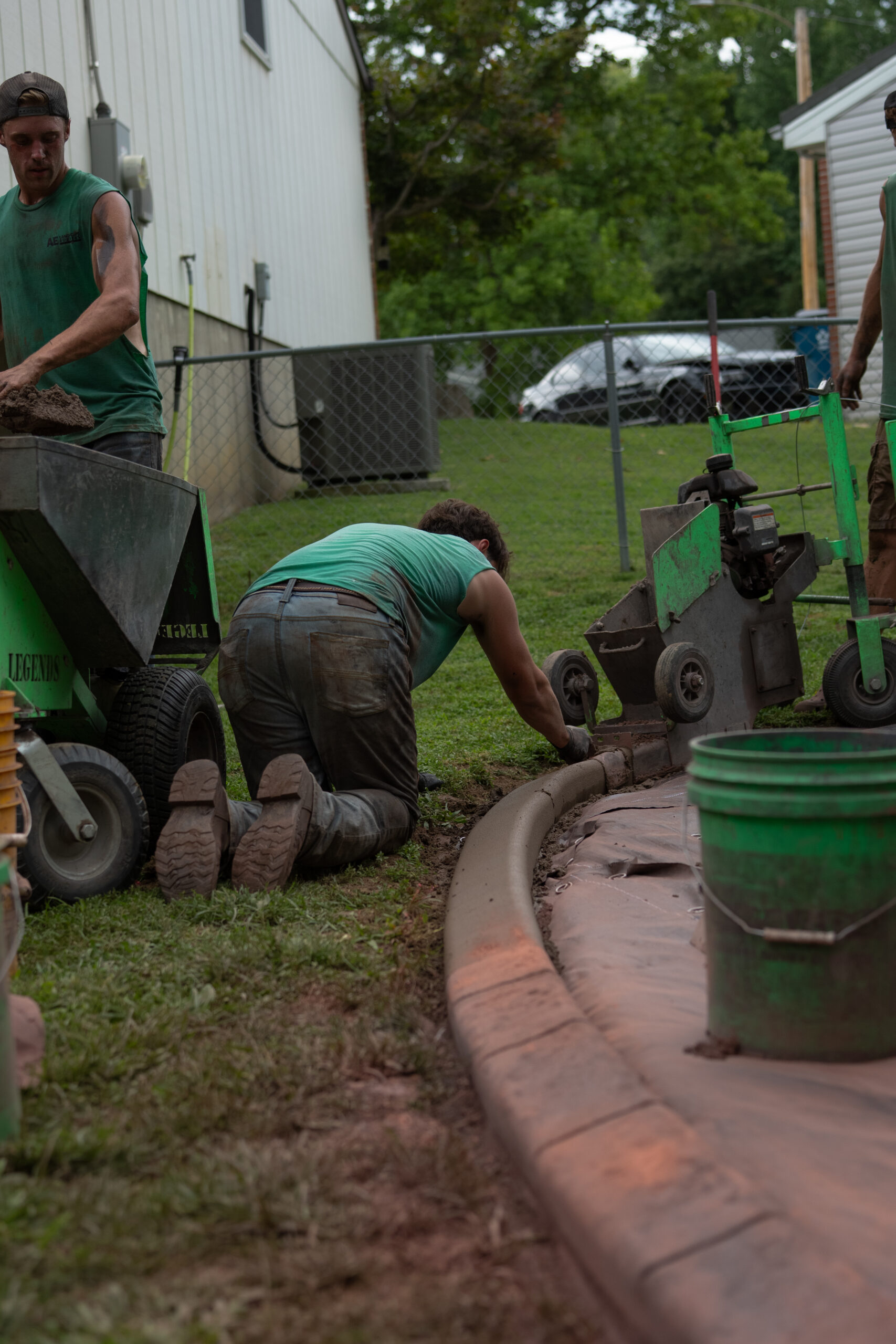
At AE Landscape Borders, we work with homeowners throughout the fall months to reclaim overgrown beds and reshape them with lasting, clean-edged borders. Here’s why this season offers a unique advantage, and how a redesign now sets your landscape up for success next year.
Why Does Fall Offer the Best Conditions for Landscape Redesign?
Fall strikes a balance that spring and summer simply can’t match. Daytime temperatures are cooler, which puts less stress on both plants and the people doing the digging. Meanwhile, soil that has spent months absorbing summer heat stays warm well into October and November, giving roots a head start before the ground freezes.
This combination means new plantings, transplants, and edging installations have time to settle in before winter dormancy. Come spring, your landscape beds won’t just be surviving. They’ll already have a strong foundation to build on.
How Does Cooler Weather Reduce Plant Stress During Redesigns?
Extreme summer heat forces plants to focus their energy on survival rather than growth. Transplanting or dividing perennials during a heatwave often shocks them, leading to wilting or dieback. In fall, moderate temperatures and typically increased rainfall allow plants to redirect that energy toward root development instead of fighting dehydration.
This is also why professional landscapers often recommend fall for dividing overgrown perennials like hostas, daylilies, and ornamental grasses. Cutting them back and resetting their boundaries now means less transplant shock and a fuller, healthier look next growing season.
What Problems Do Overgrown Landscape Beds Cause If Left Untreated?
Ignoring overgrown beds through winter rarely leads anywhere good. Left unchecked, these issues tend to snowball:
- Weed infiltration: Without defined borders, weeds and grass spread into mulch and soil, competing with your plants for nutrients.
- Soil erosion: Loose, unedged beds are more vulnerable to erosion from fall rains and winter snowmelt.
- Pest habitats: Overgrown vegetation and leaf litter can become a haven for pests seeking winter shelter.
- Spring workload: Beds left overgrown through winter require significantly more labor to restore once the growing season resumes.
Addressing these problems in fall, rather than waiting until spring, means less cleanup and a healthier start to the next growing season.
How Does Concrete Landscape Edging Improve an Overgrown Bed Redesign?
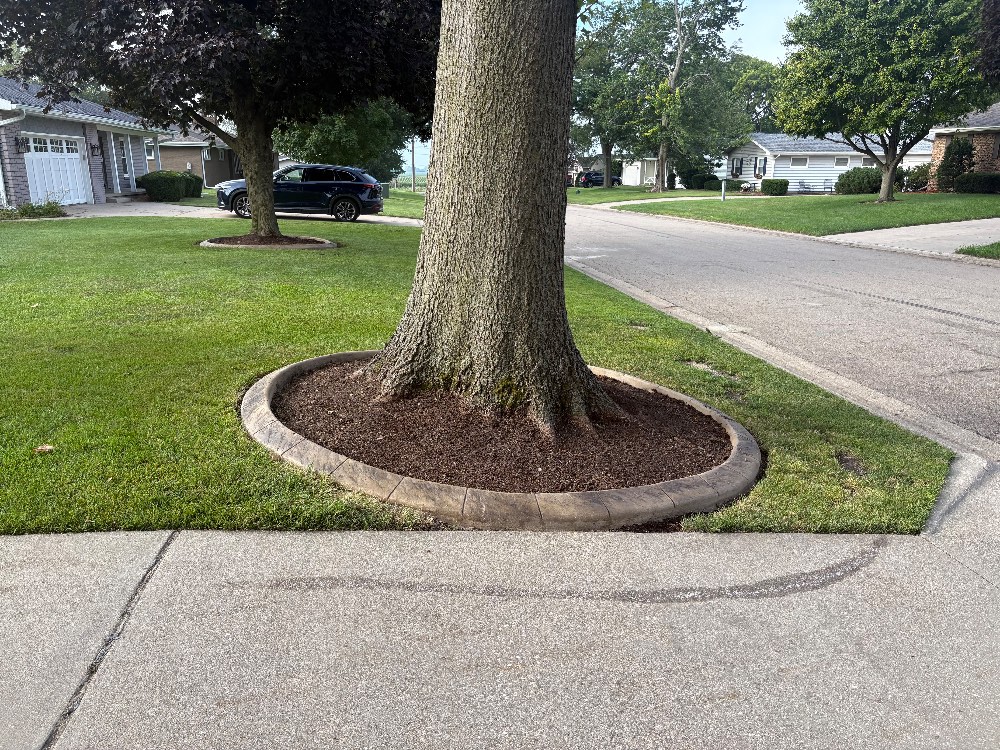
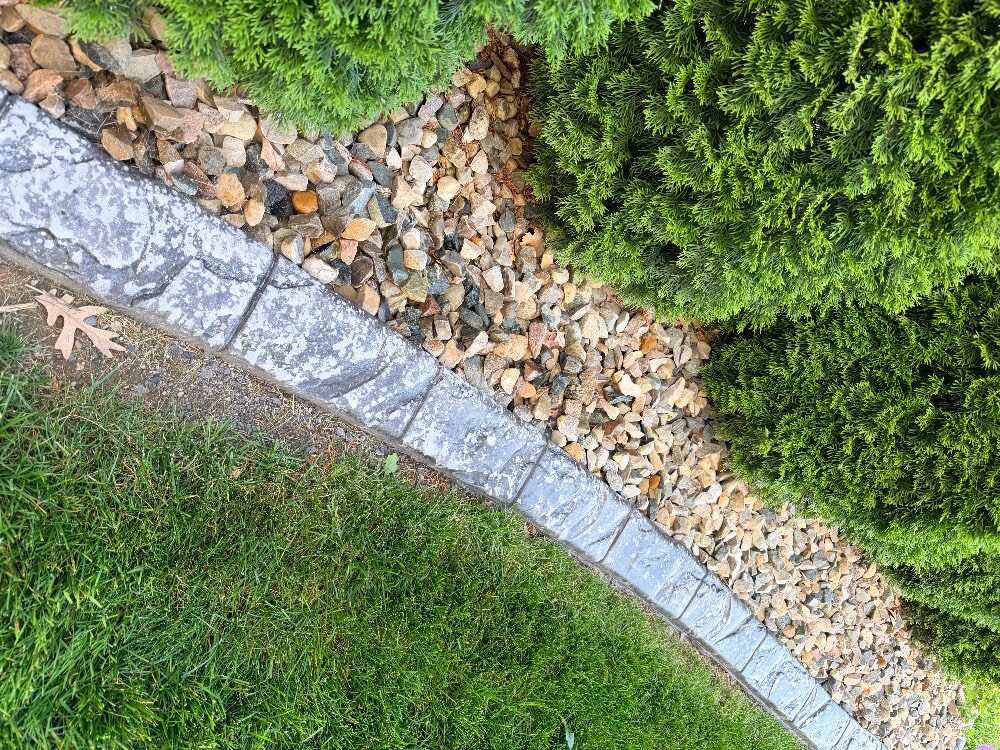
Once a bed is cleared and reshaped, the next step is making sure it stays that way. This is where concrete landscape edging makes a measurable difference. Unlike plastic or metal edging, which can shift, crack, or degrade over a few seasons, concrete edging provides a permanent, durable border that keeps grass and weeds from creeping back in.
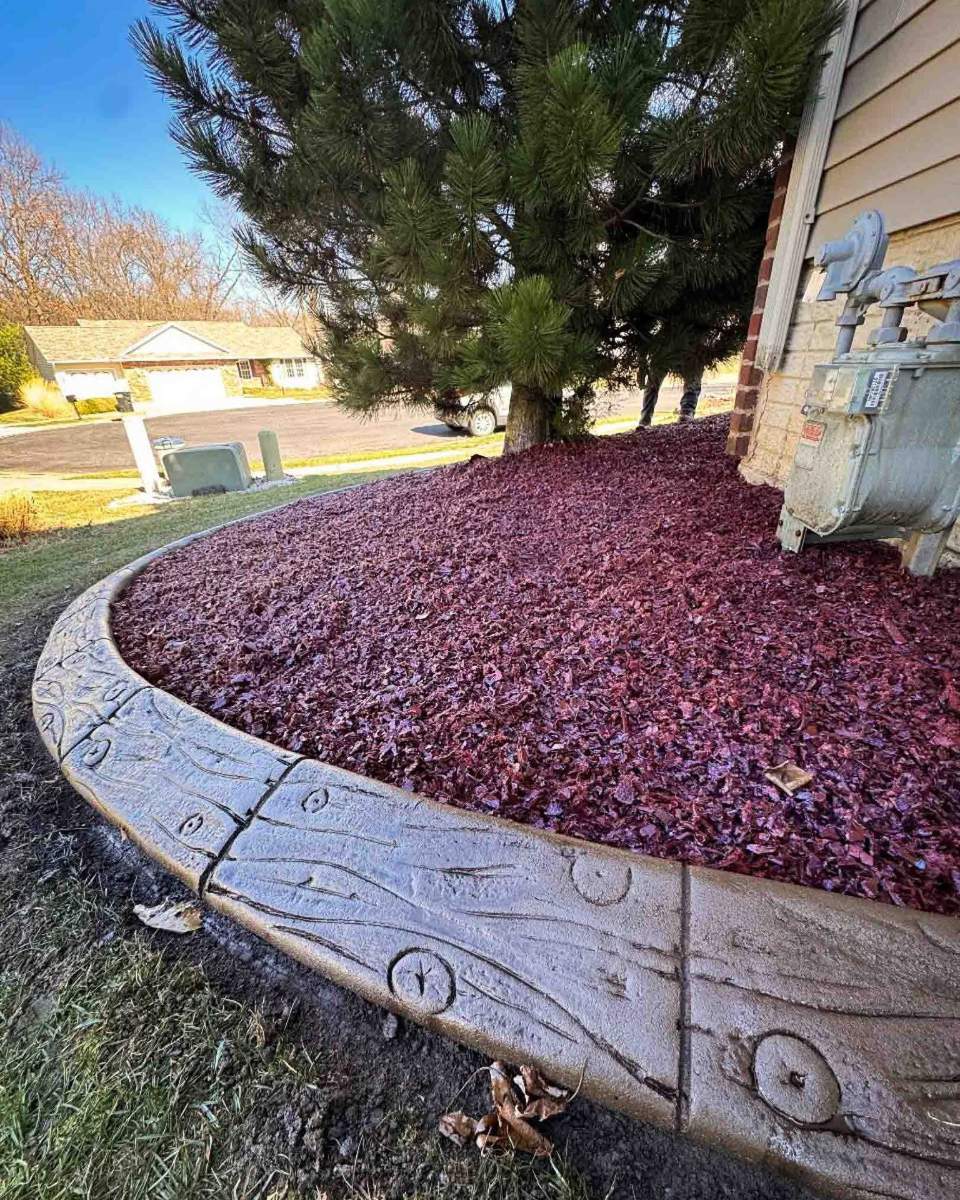
Concrete edging also holds mulch and soil in place, which is especially valuable during the heavy rains and snowmelt common in Fort Wayne winters. For homeowners who have struggled with the same overgrowth issues year after year, installing a durable border during a fall redesign can be the fix that finally holds.
Why Choose Concrete Over Plastic or Metal Edging?
Choose concrete edging if long-term durability and minimal maintenance matter more than upfront cost. Plastic edging is less expensive initially but typically needs replacing every few years due to cracking from freeze-thaw cycles. Metal edging holds its shape well but can warp over time and poses a safety hazard once exposed. Concrete edging, when properly installed, resists frost heave and lasts for decades, making it a stronger long-term investment for Fort Wayne’s variable climate.
What Does a Fall Landscape Bed Redesign Involve?
A thorough fall redesign typically includes:
- Clearing overgrowth: Removing dead or sprawling plants, weeds, and old mulch.
- Reshaping bed lines: Redefining the bed’s borders to reflect its original (or improved) design.
- Soil amendment: Adding compost or amendments to prepare soil for next season’s growth.
- Installing durable edging: Using landscape edging Fort Wayne IN homeowners can rely on through freeze-thaw cycles.
- Fresh mulch application: Protecting plant roots through winter and improving curb appeal immediately.
Each of these steps builds toward a landscape that requires less maintenance and looks more polished for years to come.
Start Your Fall Redesign Before Winter Sets In
Overgrown beds don’t fix themselves, and waiting until spring only adds pressure to an already busy season. Fall gives you the time, the weather, and the soil conditions to redesign your landscape beds properly, with lasting results.
If your beds have outgrown their borders, AE Landscape Borders can help you reshape them with professional-grade concrete landscape edging built for Fort Wayne’s seasons. Reach out today to schedule your fall landscape consultation before the weather turns.
Frequently Asked Questions
How long does a fall landscape bed redesign take?
Most residential bed redesigns, including edging installation, take one to three days depending on the size of the area and extent of overgrowth.
Will new plants survive if installed in fall?
Yes. Cooler temperatures and warm soil in fall allow plant roots to establish before winter dormancy, often resulting in stronger growth the following spring compared to spring planting.
Is concrete edging more expensive than plastic edging?
Concrete edging has a higher upfront cost but lasts significantly longer than plastic, which often cracks and requires replacement within a few years, making concrete more cost-effective over time.
Can I redesign my landscape beds if they’re severely overgrown?
Yes. Severely overgrown beds often benefit most from a fall redesign, since clearing and reshaping now prevents further weed spread and erosion through winter.
When is the latest I can install landscape edging before winter?
Edging installation should ideally be completed before the ground freezes, which in Fort Wayne typically means scheduling work by late November.