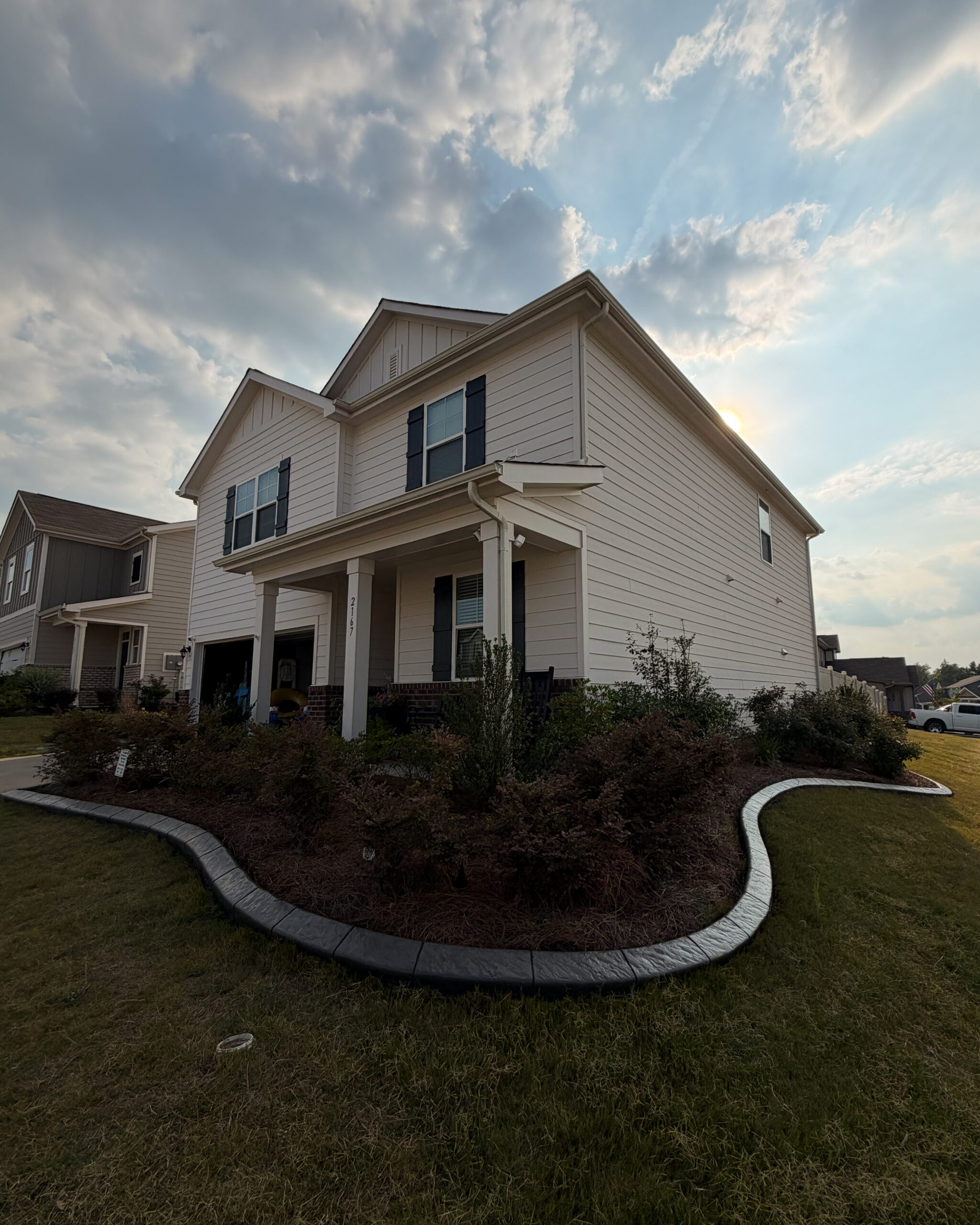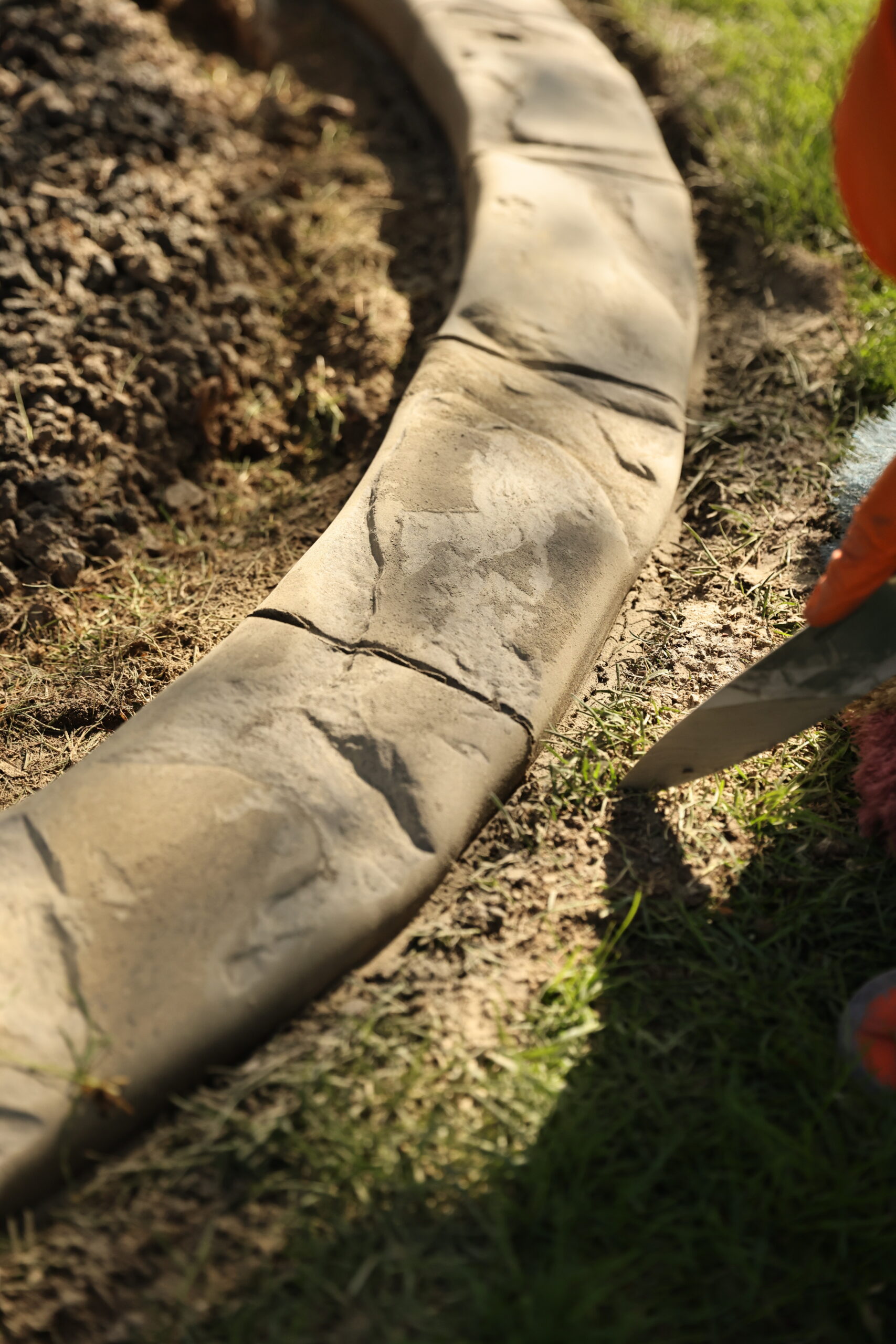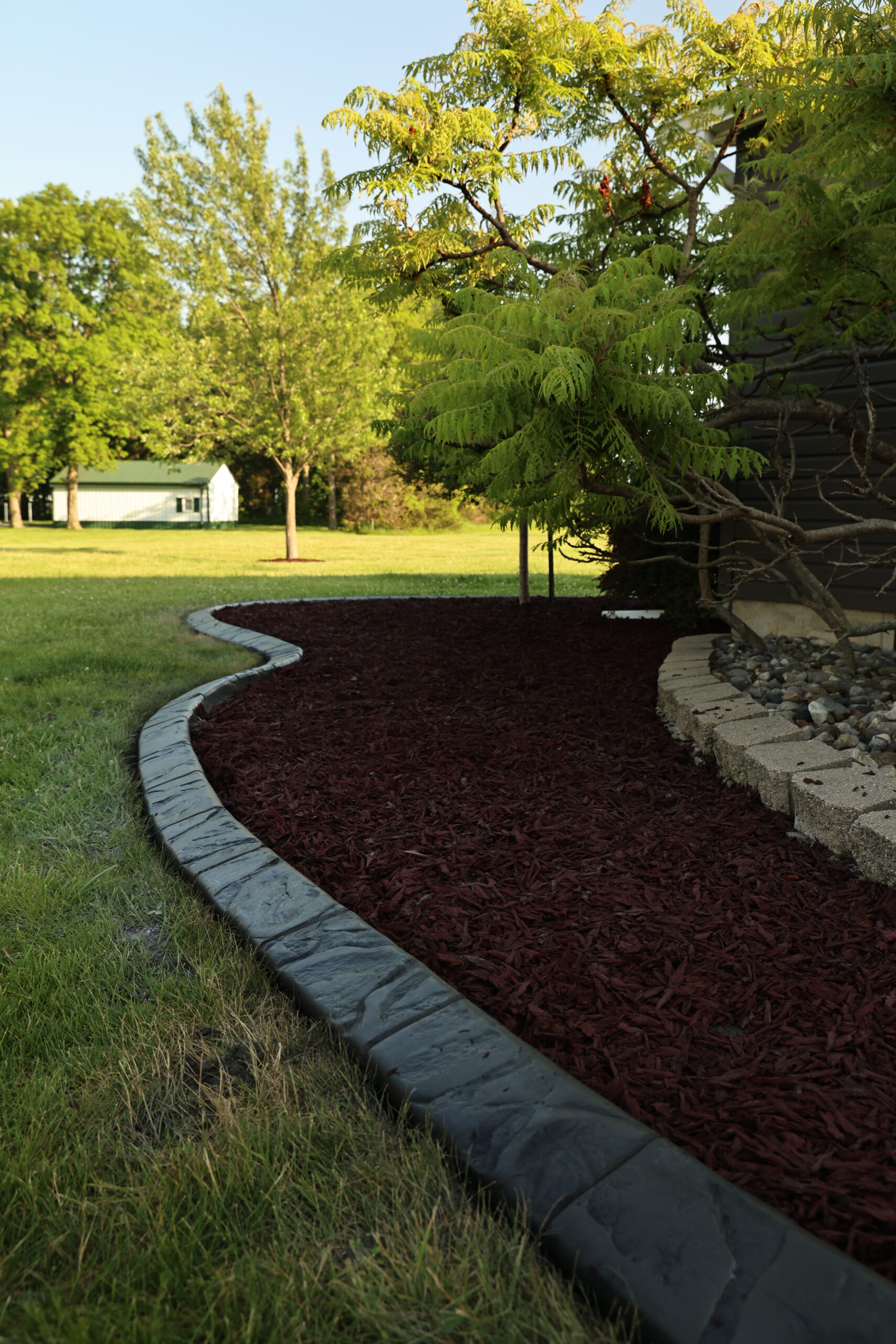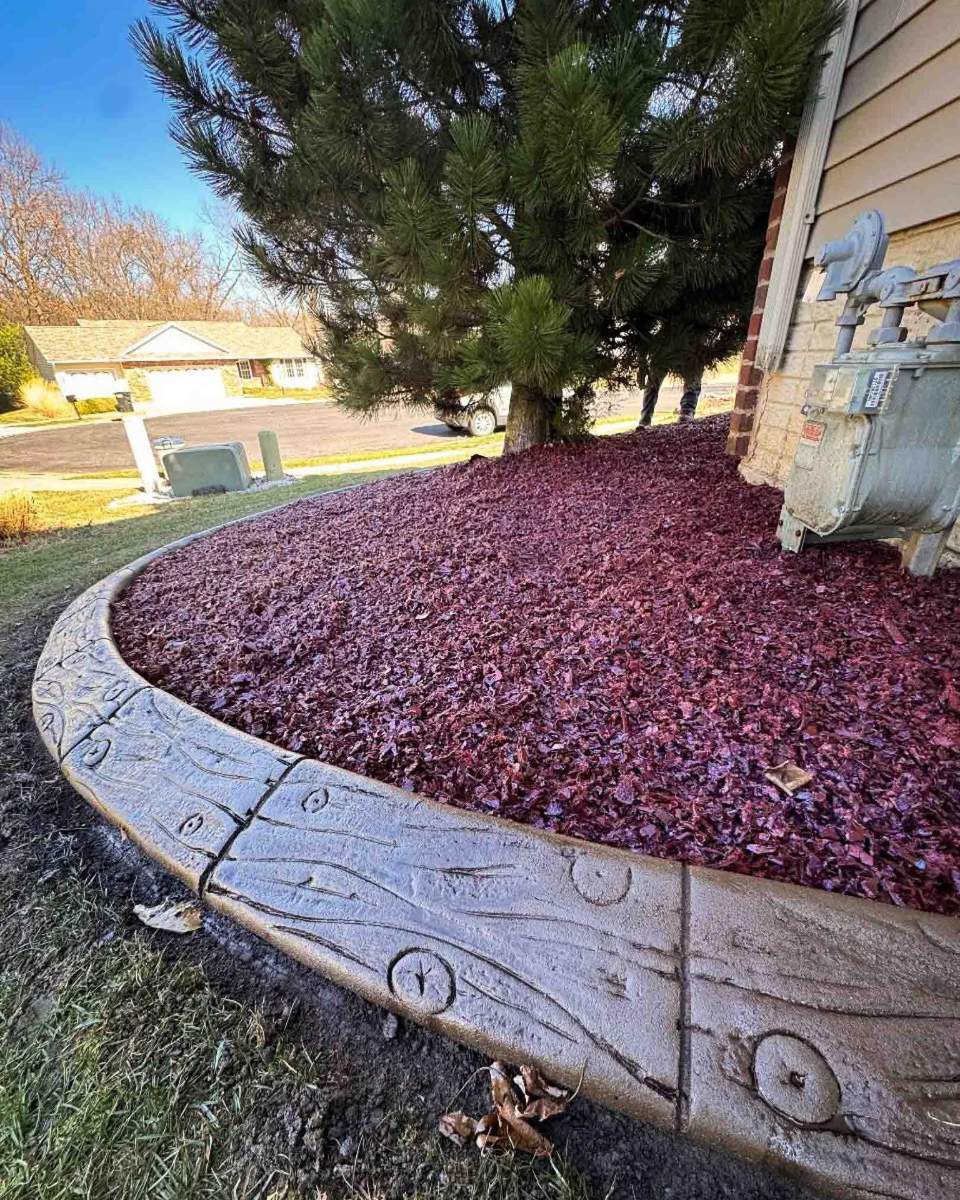


Installing decorative concrete borders around existing sprinkler lines and irrigation systems requires careful planning to avoid damaging underground components. If you’re considering concrete curbing for your landscaped beds, knowing the right questions to ask your installer can mean the difference between a seamless installation and costly repairs to your irrigation system.
Will you locate my sprinkler lines before digging?
The most critical question to ask any concrete curbing installer is whether they’ll identify and mark existing irrigation lines before breaking ground. Professional companies like AE Landscape Borders use detection equipment and visual inspection to map out sprinkler heads, lateral lines, and main water supply routes.
Expect your installer to walk the property with you before starting work. They should ask where your irrigation zones run and identify any visible sprinkler heads or valve boxes. Some companies may request you run your system briefly so they can observe spray patterns and locate hidden components.
Reputable installers won’t guarantee they can avoid every single line—sometimes older systems have undocumented routing—but they should have a clear process for minimizing risk and repairing any accidental damage at no cost to you.
How deep will you dig for the border installation?
Decorative concrete edging typically requires a trench four to six inches deep. Most residential sprinkler lines run between six and twelve inches below the surface, which usually provides adequate clearance. However, shallow installations or lines that have shifted over time can create conflicts.
Ask your installer what depth they plan to excavate and whether they’ll adjust their approach if they encounter irrigation components. AE Landscape Borders has experience working around sprinkler systems and can modify trench depth or border placement to accommodate existing infrastructure without compromising the integrity of the curbing.
Understanding the installation depth also helps you plan for future landscaping projects. Proper drainage plays a role in how long your edging lasts, and knowing where your irrigation lines sit relative to your new borders helps prevent issues down the road.
What happens if a sprinkler line gets damaged during installation?
Even with careful planning, accidents can happen. Ask potential installers directly about their policy for irrigation damage. A professional company will repair any lines they damage during installation at no additional charge.
AE Landscape Borders handles typical installation complications including sprinkler line repairs as part of their service. They carry repair materials and have experience reconnecting or rerouting damaged sections. Most repairs add minimal time to the installation schedule—projects typically complete in one day, with larger areas taking two days.
Get this policy in writing before work begins. Avoid installers who won’t commit to covering accidental damage or who require you to sign liability waivers for existing irrigation systems.
Can you work around sprinkler heads and valve boxes?
Concrete landscape borders need to integrate cleanly with sprinkler heads, valve boxes, and other irrigation components. Ask how the installer plans to handle these features—quality work means borders that curve around heads or terminate neatly at access points rather than blocking critical system elements.
Professional installers can adjust border routes to maintain full access to your irrigation system. They should also ensure that decorative concrete edging doesn’t interfere with spray patterns or create obstacles for future maintenance and seasonal winterization.
Choosing the right border pattern also depends on your garden layout and how irrigation zones are configured. Discuss these details during your estimate appointment to ensure the final design works with your existing systems.
Frequently Asked Questions
Do I need to turn off my sprinklers before border installation?
Yes, you should disable your irrigation system at least 24 hours before installation begins. This prevents accidental activation during excavation and ensures dry soil conditions for proper concrete curing. Your installer will let you know when it’s safe to resume normal watering schedules.
Will concrete borders affect my water bill or system pressure?
No, properly installed decorative concrete borders don’t impact irrigation system performance. As long as lines aren’t damaged and sprinkler heads remain accessible, your system will function exactly as it did before. Quality installation preserves all existing functionality.
Can I add borders if I have an older irrigation system with unknown line locations?
Yes, but communicate this concern upfront. Experienced installers work with older systems regularly and take extra precautions when line locations are uncertain. They’ll proceed more carefully and have repair materials ready if needed.
Ready to add durable, attractive borders to your landscaped beds without worrying about your irrigation system? AE Landscape Borders brings years of experience working around sprinkler lines, underground wiring, and other site complications. Their lifetime warranty on concrete curbing and commitment to handling installation challenges means you get professional results without the stress. Contact them today for a free onsite estimate and discuss your specific property layout with their team.