

Rain during your decorative concrete border installation can feel like bad timing, but professional installers like AE Landscape Borders know how to handle weather interruptions without compromising quality. Understanding what happens when rain shows up mid-project helps you know what to expect and why proper timing matters for a lasting installation.
How Rain Affects Fresh Concrete Curbing
Concrete needs specific conditions to cure properly and develop its full strength. When rain hits freshly poured concrete edging before it has time to set, it can wash away the surface cement, create pitting or scaling, and weaken the structural integrity of your border. The water dilutes the concrete mixture and can cause discoloration or an uneven finish that affects both appearance and durability.
Professional installers monitor weather forecasts closely before scheduling your project. AE Landscape Borders plans installations during their March through November season with weather patterns in mind, avoiding days when rain is likely. If unexpected weather moves in during your installation, experienced crews know exactly when to pause work to protect your investment.
What Installers Do When Rain Threatens
Timing is everything with concrete work. If rain appears likely within the first few hours after pouring, professional installers will typically postpone or pause the installation rather than risk a compromised finish. Once concrete reaches its initial set—usually within 2-4 hours depending on temperature and humidity—light rain poses much less risk.
For projects that get caught mid-installation, crews may cover freshly poured sections with tarps or plastic sheeting to protect the surface. However, this only works if the concrete has had enough time to begin setting. If rain arrives too early in the process, the best solution is often to wait and resume work when conditions improve.
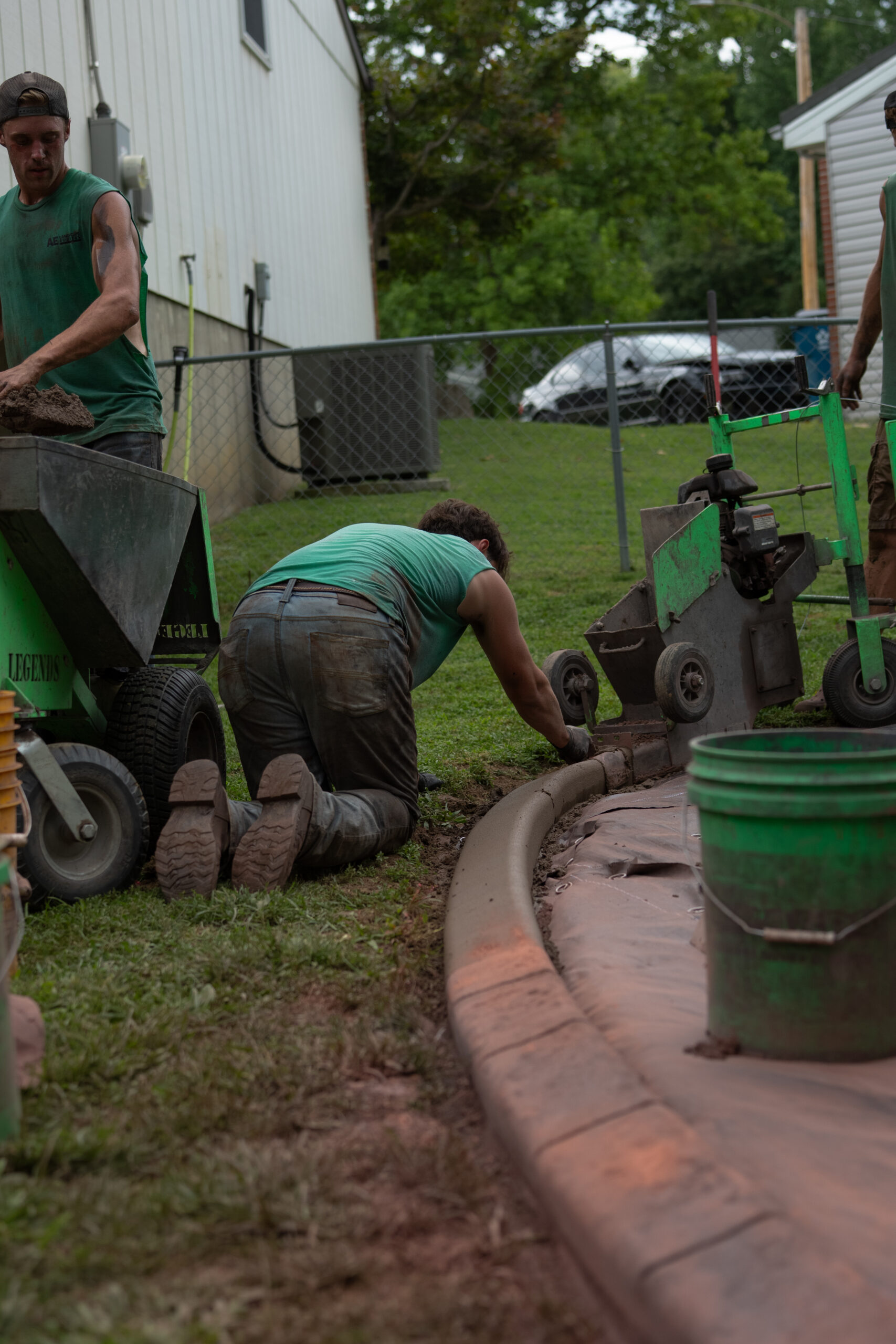
The installation process itself typically takes just one day for most residential projects, though larger properties may require two days. This relatively quick timeline helps minimize weather-related delays. Proper drainage around your property also plays a role in how well your landscape edging handles moisture long-term, making site preparation an important first step.
Does Rain After Installation Damage Cured Borders?
Once your decorative concrete edging has fully cured, rain actually poses no threat at all. The complete curing process takes up to 28 days, during which the concrete gradually reaches its maximum strength. After a few days, the surface is hard enough that normal rainfall won’t cause damage, though the concrete continues strengthening beneath the surface.
This is one reason why AE Landscape Borders offers a lifetime warranty on their concrete curbing—properly installed decorative borders are extremely durable once cured. Unlike plastic or metal edging that can shift, rust, or deteriorate with exposure to weather, professional concrete landscape borders are built to withstand decades of rain, snow, and temperature fluctuations without losing their appearance or function.
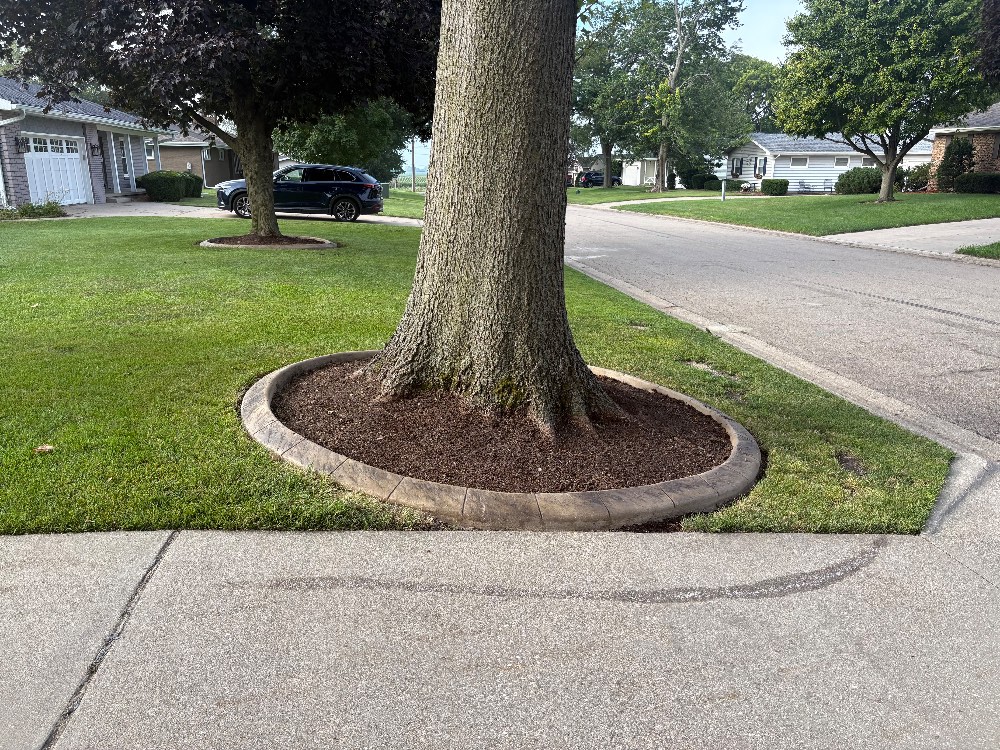
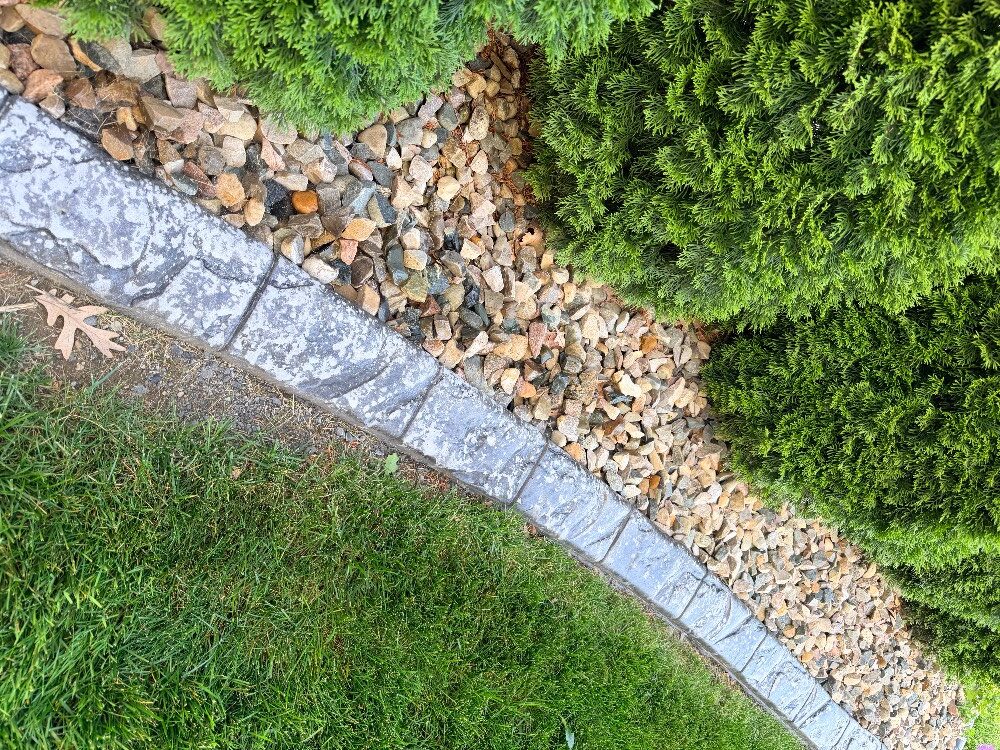
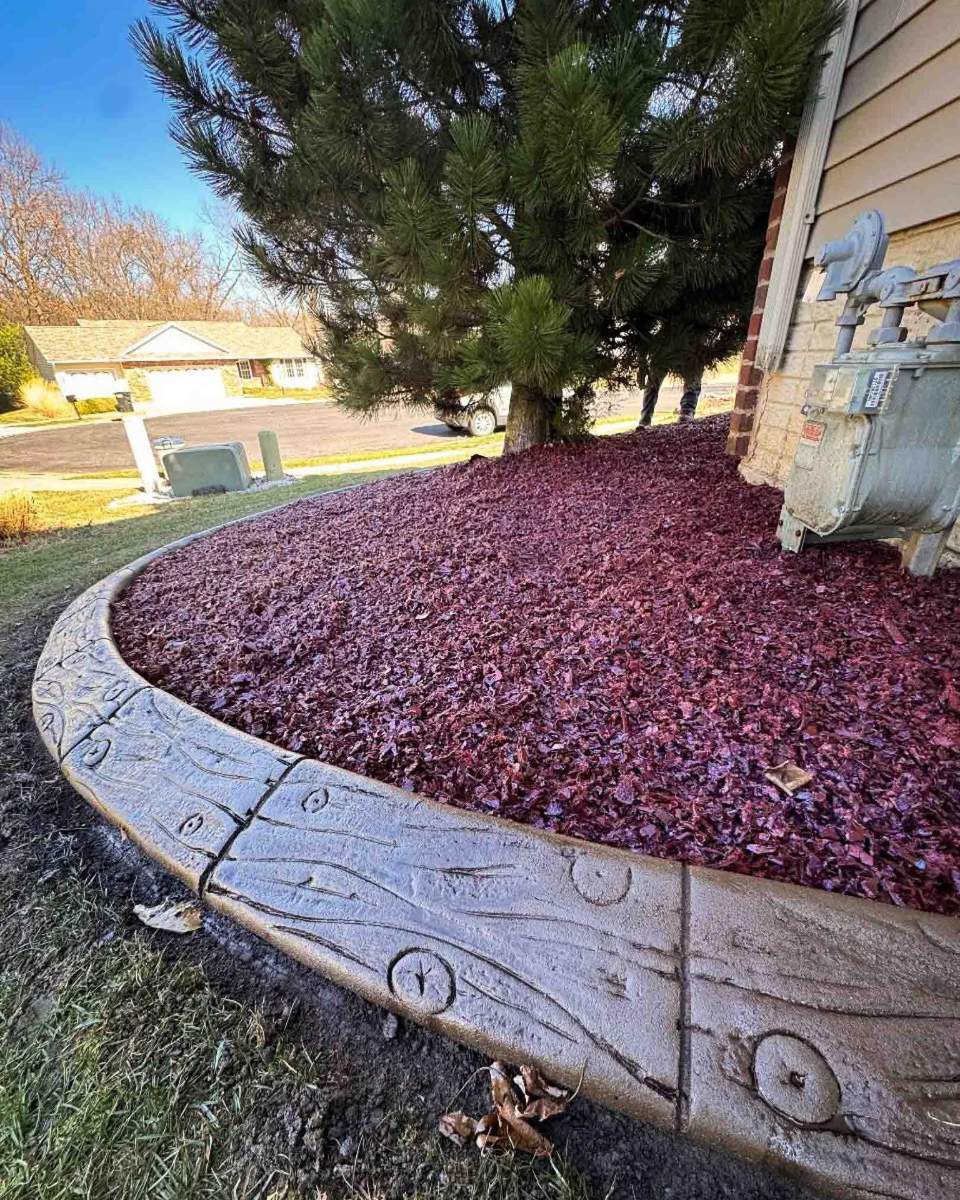
Choosing the right border pattern also depends on your garden layout and how water flows across your property. Missouri Flagstone, Fractured Rock, and other textured patterns not only add visual appeal but help channel water appropriately around your landscaping features.
FAQ About Rain and Concrete Border Installation
How long after installation can my concrete edging get wet?
After about 4-6 hours, the surface is typically set enough that light rain won’t cause significant damage. However, it’s best to keep the concrete protected for at least 24 hours if possible, and avoid heavy foot traffic or water pressure for several days while curing continues.
Will my installation be rescheduled if rain is forecasted?
Yes, professional installers like AE Landscape Borders monitor weather forecasts and will reschedule if rain is expected during the critical installation window. This ensures your decorative concrete borders cure properly and meet the quality standards backed by their lifetime warranty.
Can concrete borders crack from freeze-thaw cycles after rain?
Properly installed and fully cured decorative concrete edging is designed to withstand freeze-thaw cycles without cracking. Professional installation includes proper base preparation and correct concrete mixture, which prevents moisture infiltration that could cause freeze damage during winter months.
If you’re ready to add durable, low-maintenance landscape borders to your property, contact AE Landscape Borders for a free onsite estimate. Their experienced team serves homeowners across the Midwest and Southeast from hubs in Bloomington IL, Lena IL, Indianapolis IN, Fort Wayne IN, St. Louis MO, and Charlotte NC—bringing professional concrete curbing installation with weather-smart scheduling and a lifetime warranty you can trust.