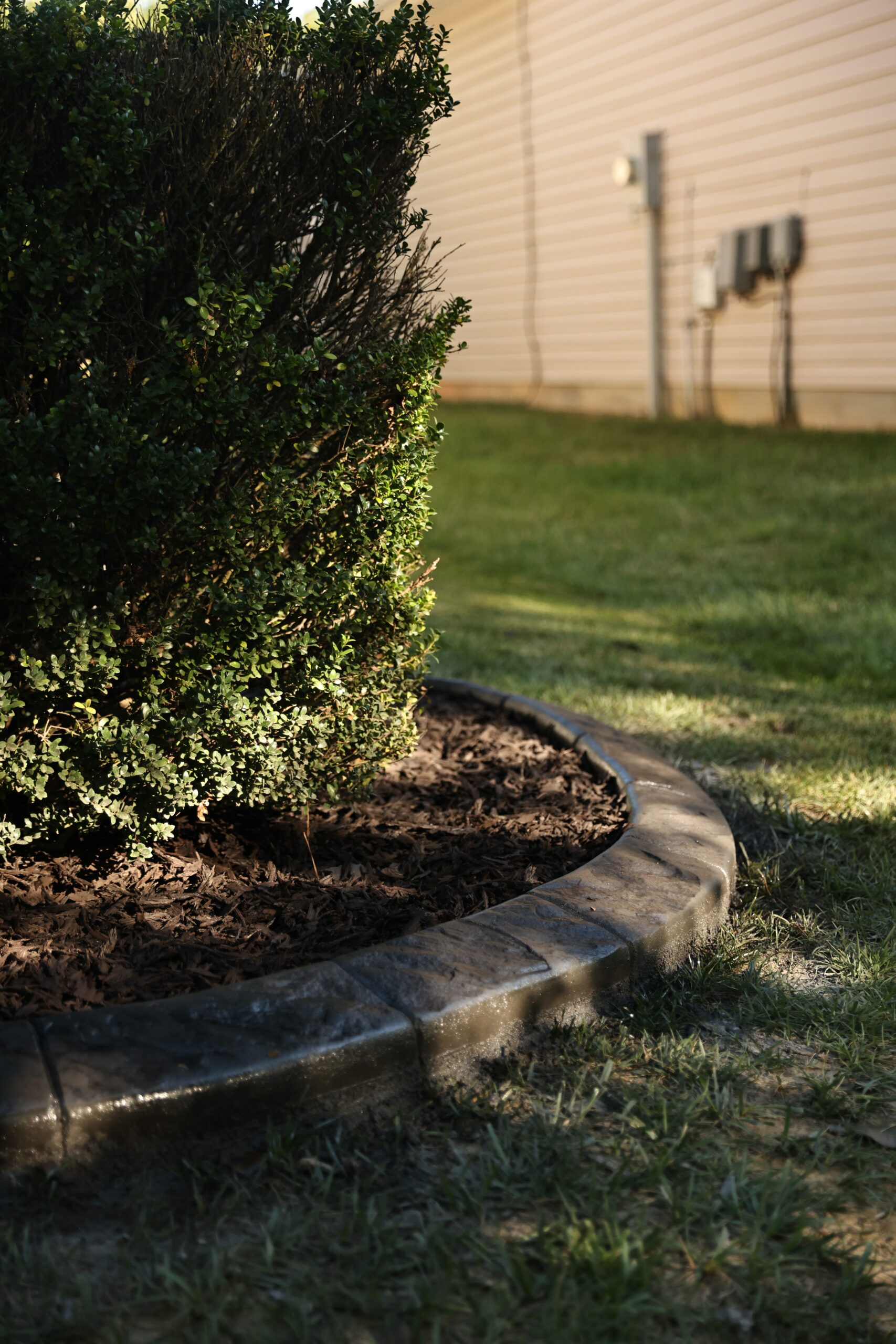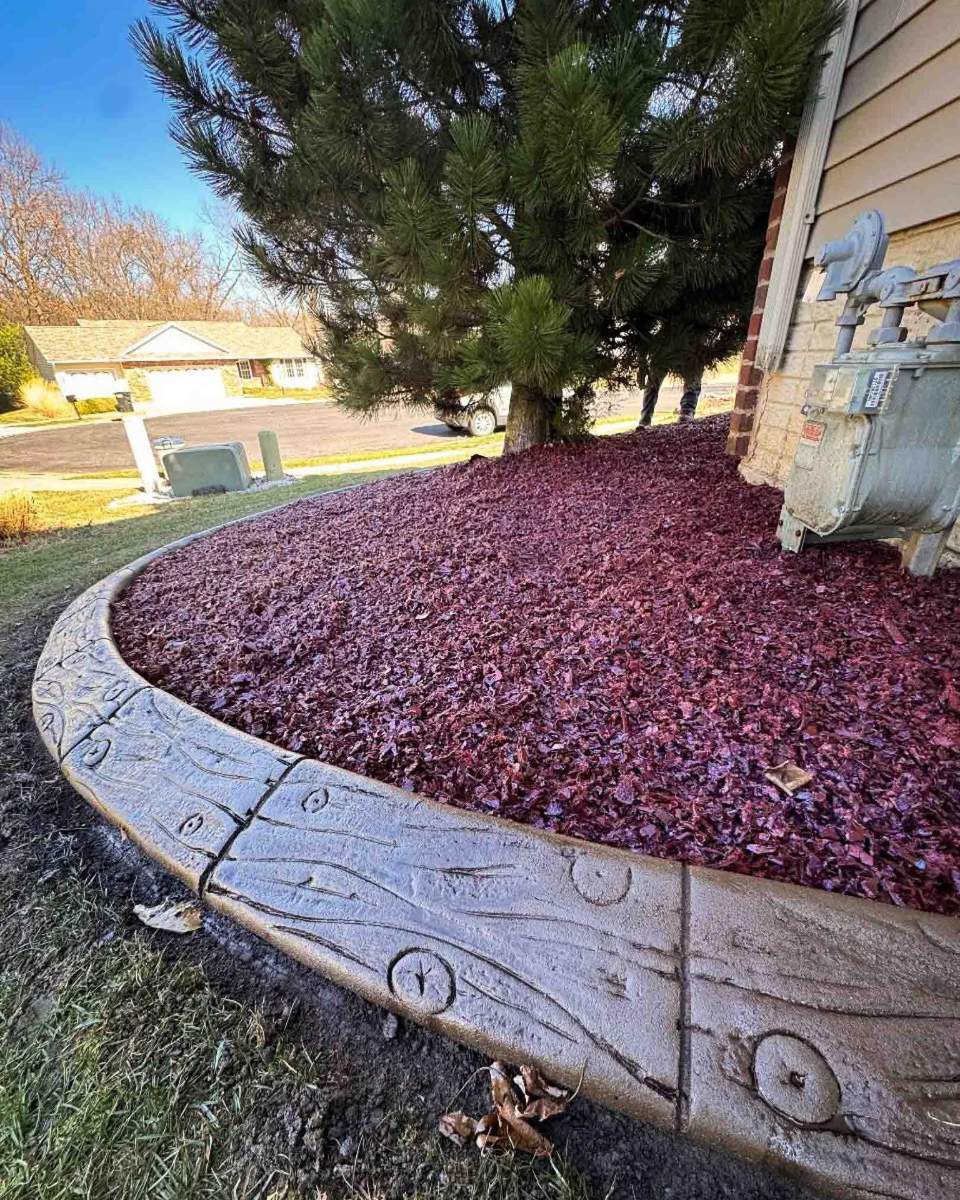


Installing decorative concrete borders from AE Landscape Borders creates clean, defined bed lines — but keeping weeds out of those bordered beds requires the right combination of prevention and maintenance. Here’s what actually works for long-term weed control without endless hours on your hands and knees.
Why Concrete Curbing Makes Weed Control Easier
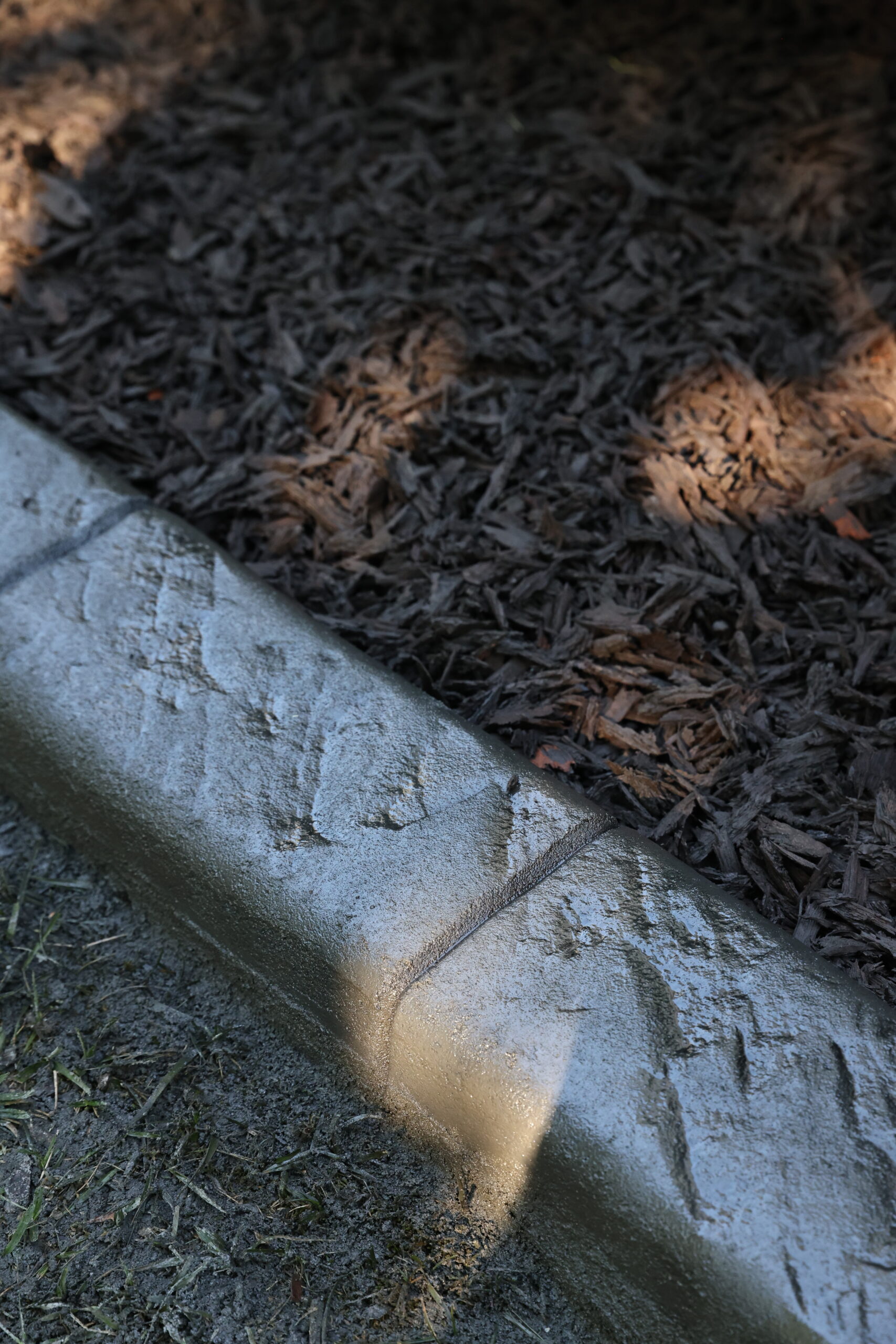
Professional landscape edging does more than look good. When AE Landscape Borders installs concrete curbing around your beds, it creates a physical barrier that stops grass runners from creeping into your mulched areas. This barrier is something plastic or metal edging simply can’t match — grass roots easily slip under flexible materials, but solid concrete stops them cold.
That said, the curbing handles perimeter invasion. Weed seeds still blow in from above, which is where your bed preparation and mulch strategy come into play.
What’s the Most Effective Way to Prevent Weeds in Mulched Beds?
The best weed prevention starts before you ever spread mulch. After your decorative concrete edging is installed, remove existing weeds completely — roots and all. Then apply a quality landscape fabric or weed barrier across the entire bed. This blocks new weed seeds from reaching the soil while still allowing water to penetrate.
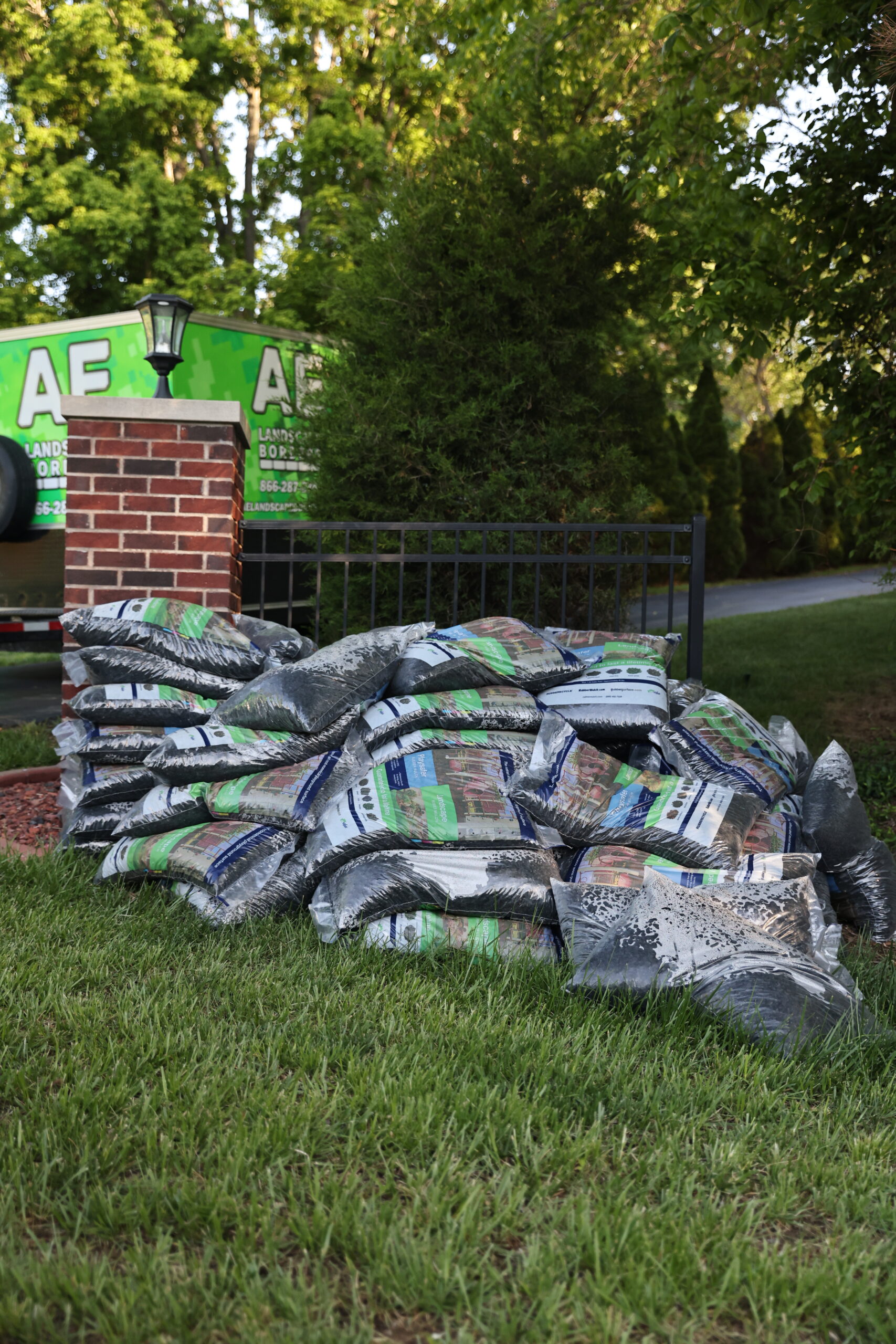
Next, add 3-4 inches of mulch on top of the fabric. This depth is crucial. Thinner layers let sunlight reach weed seeds that land on the fabric surface. AE Landscape Borders offers lifetime-warrantied rubber mulch as an add-on, which doesn’t decompose like wood mulch and maintains its weed-blocking depth for years.
Wood mulch works too, but plan to refresh it annually as it breaks down. Proper drainage plays a role in how long your mulch stays effective — standing water accelerates decomposition and creates muddy spots where weeds gain footholds.
Maintenance Practices That Keep Bordered Beds Weed-Free
Even with good preparation, some maintenance keeps your beds looking sharp. Pull any weeds that appear while they’re small — before they develop deep root systems or go to seed. This takes minutes every few weeks instead of hours later.
Check mulch depth each spring. If wood mulch has compressed below 2 inches, add a fresh layer. With rubber mulch, you typically won’t need annual top-ups, which is one reason homeowners who want low-maintenance landscaping prefer it inside their concrete curbing.
Avoid over-watering beds. Consistent moisture encourages weed germination. Water plants directly rather than broadcasting across the entire mulched area when possible.
Should You Use Pre-Emergent Herbicides?
Pre-emergent herbicides prevent weed seeds from germinating and work well inside bordered beds. Apply them in early spring before soil temperatures reach 55°F, then again in early fall. These products won’t harm established plants but stop new weeds before they start.
For existing weeds, spot-treat with post-emergent herbicides or remove them manually. The defined edges from your landscape borders make targeted herbicide application much easier — you can see exactly where your bed ends and lawn begins.
Choosing the right mulch color and pattern for your concrete edging also affects your bed’s overall appearance, making occasional weeds less noticeable between maintenance sessions.
FAQ
How often should I replace mulch in bordered beds?
Wood mulch typically needs refreshing annually as it decomposes. Rubber mulch from AE Landscape Borders lasts indefinitely without breaking down, requiring only occasional raking to maintain appearance. Check depth each spring regardless of mulch type.
Can weeds grow through landscape fabric?
Quality landscape fabric blocks most weeds, but aggressive perennials like bindweed or nutsedge occasionally push through. These are easier to pull from fabric than bare soil. Weeds growing on top of the fabric come from airborne seeds landing in mulch — maintaining proper mulch depth prevents this.
Does concrete curbing stop all grass from entering beds?
Yes, when properly installed by AE Landscape Borders, decorative concrete edging creates a solid barrier that grass runners cannot penetrate. Unlike plastic edging that grass roots slip under, concrete curbing extends below ground level and prevents perimeter invasion completely.
Ready to create permanently defined beds that make weed control easier? Contact AE Landscape Borders today for a free onsite estimate. Their decorative concrete borders come with a lifetime warranty and install in just one day for most projects, giving you clean bed lines that last for decades.