

Quick answer: Yes. Concrete borders give wide or curved driveways a clean, defined edge that holds gravel or pavers in place, prevents erosion, and creates visual structure that straight-line driveways don’t need as much. For homeowners managing driveway borders Bridgeton MO weather swings, a well-installed concrete edge also resists cracking and shifting better than plastic or metal alternatives.
Key Takeaways
- Curved and wide driveways lose shape over time without a defined edge, and concrete driveway edging solves this by locking materials in place while following any curve or slope.
- Concrete borders reduce long-term maintenance costs by preventing gravel migration, weed growth, and erosion along driveway edges.
- AE Landscape Borders custom-forms concrete edging to match the exact shape of your driveway, whether it’s a sweeping curve, a circular turnaround, or an unusually wide pad.
Wide driveways and curved layouts look great on paper, but they come with a practical problem most homeowners don’t anticipate until gravel starts spilling into the lawn or the asphalt edge starts crumbling. Without a defined boundary, loose materials drift, grass creeps in, and the whole driveway starts to look unkempt within a year or two. This is exactly where concrete borders earn their keep.
Why Do Wide and Curved Driveways Need Defined Edges?
A straight, narrow driveway often gets away without any edging at all. The shape is simple, the traffic pattern is predictable, and there’s less surface area exposed to erosion. Wide and curved driveways don’t have that luxury.
Wider surfaces mean more exposed edge length, and more edge length means more opportunities for gravel, mulch, or soil to spill over onto the lawn. Curves compound the issue because tires naturally drift toward the inside or outside of a curve, grinding down loose edges faster than a straight run ever would.
A defined concrete border solves both problems at once. It physically contains the driveway material, and it gives the curve a crisp, intentional line that reads as designed rather than accidental.
How Does Concrete Edging Perform on Curves Compared to Straight Driveways?
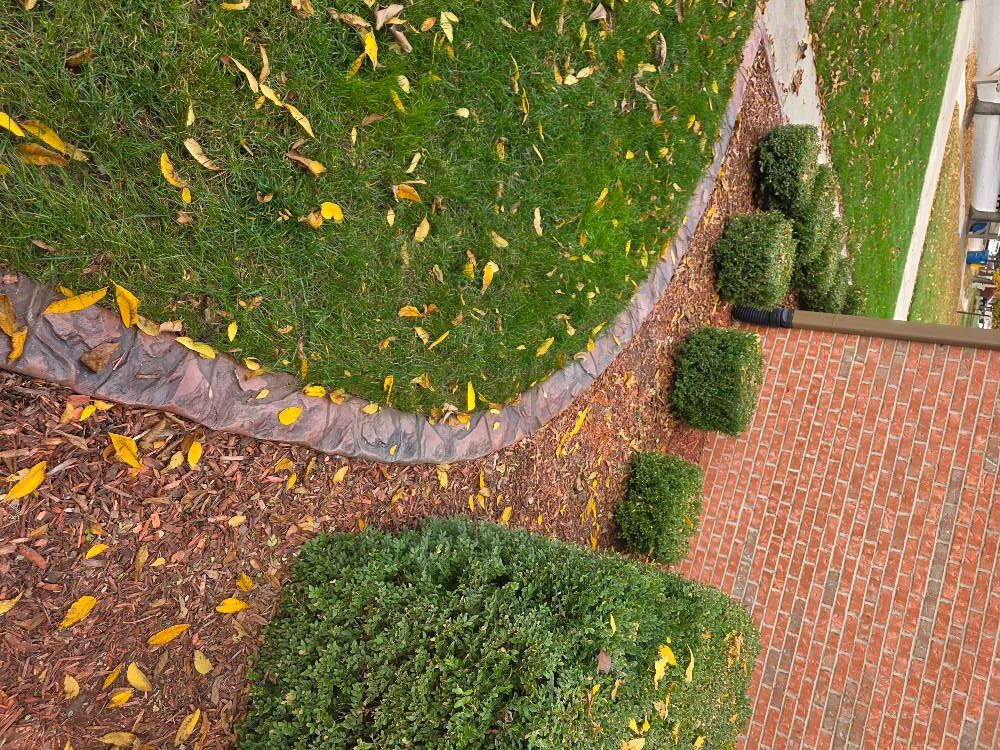
Concrete is poured or formed on-site, which means it can follow any curve without the awkward joints or gaps you’d get from rigid materials like brick or precast pavers. For curved driveways in particular, this flexibility matters.
Benefits of concrete edging on curves:
- Seamless shaping: Concrete can be molded to match sweeping curves, S-shapes, or circular drives without visible seams.
- Erosion control: The solid barrier keeps soil and mulch from washing into the driveway during heavy rain, which is especially common with curved layouts bordered by landscaping beds.
- Consistent height: Unlike stacked stone or timber edging, poured concrete maintains a uniform height along the entire curve, so there are no uneven dips where water can pool.
For wide driveways, concrete borders also serve a secondary purpose: they create a clear visual boundary that makes the space feel more organized, even when the driveway itself spans 20 feet or more.
Does Concrete Edging Help with Drainage on Wide Driveways?
Yes, when installed correctly. Wide driveways tend to collect more rainwater simply because there’s more surface area for water to run across. Without a border, that water often finds the path of least resistance, cutting small channels into the surrounding soil or lawn.
A concrete border acts as a guide, directing water toward designated drainage points instead of letting it spread unevenly. Choose a sloped or curbed concrete edge if standing water near the driveway is a recurring issue, since the slight elevation change helps channel runoff away from the base.
What Are the Design Options for Concrete Driveway Borders?
Concrete borders aren’t limited to plain gray strips. Homeowners have several finish and style options depending on the look they want:
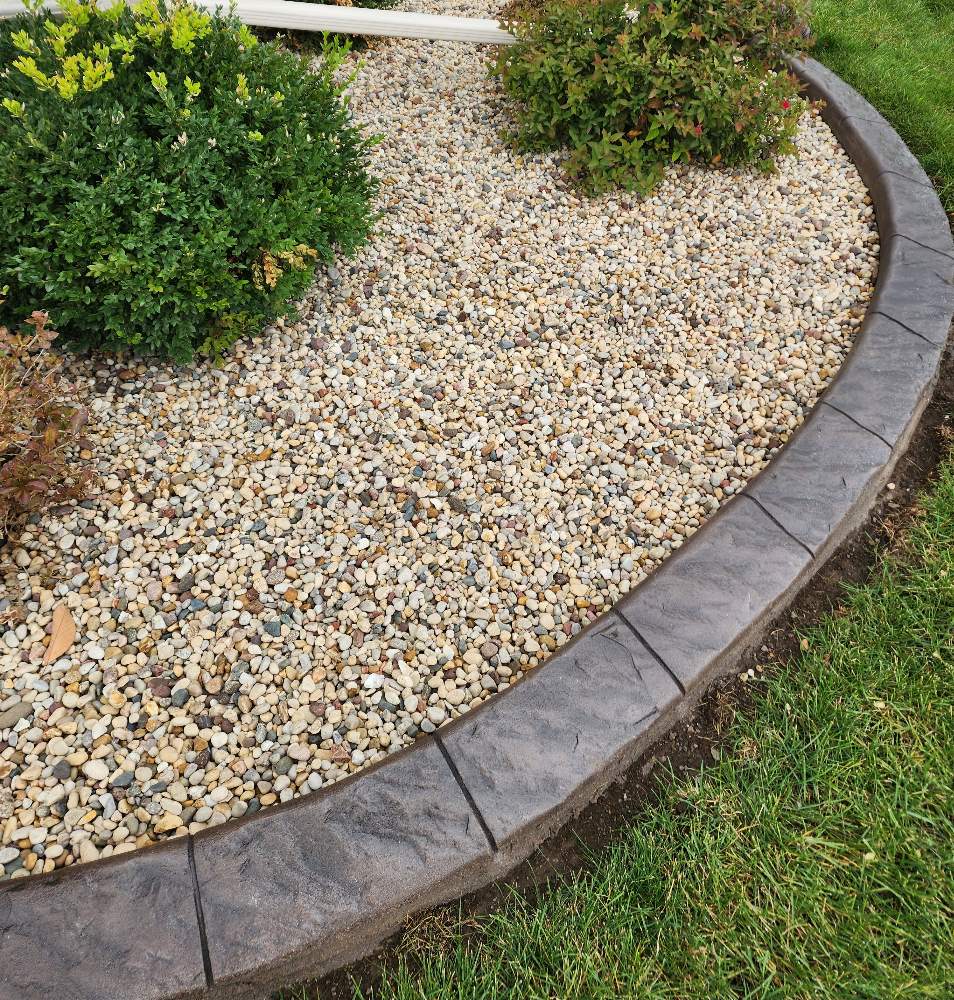
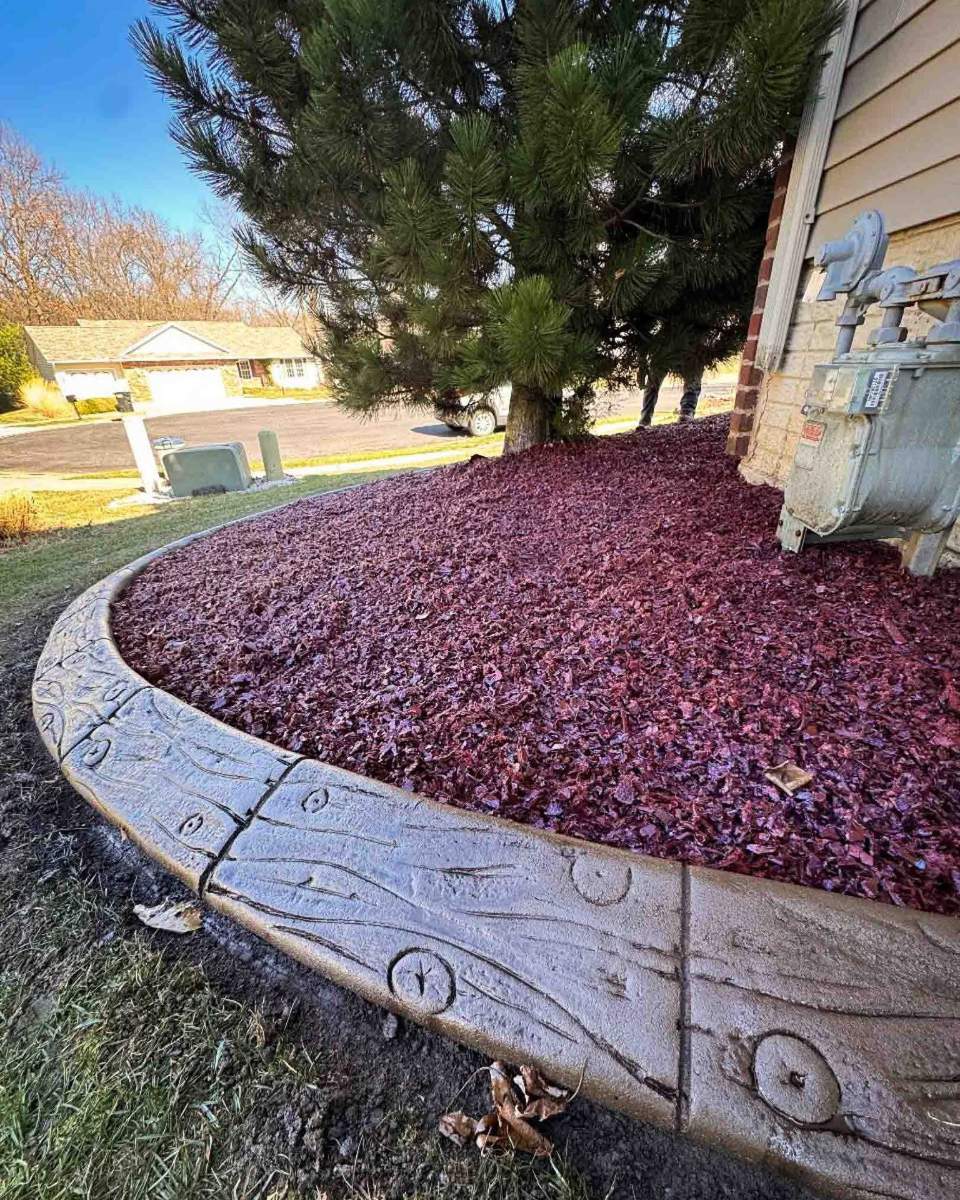
- Stamped concrete: Mimics the look of brick, cobblestone, or natural stone while retaining the durability of solid concrete.
- Colored concrete: Integrates pigment into the mix for a border that complements the home’s exterior palette.
- Exposed aggregate: Reveals the natural stone within the concrete mix for a textured, decorative edge.
- Simple broom finish: A clean, understated option that works well for modern or minimalist driveways.
For curved driveways, stamped or colored finishes tend to highlight the shape more effectively than a plain gray edge, since the contrast draws the eye along the curve rather than letting it blend into the surrounding landscape.
How Long Does Concrete Edging Last Compared to Other Border Materials?
Concrete typically outlasts plastic, timber, and loose stone edging by a significant margin. Plastic edging tends to warp or crack within a few years, especially through freeze-thaw cycles. Timber rots and requires replacement roughly every five to ten years depending on climate and soil moisture. Loose stone borders shift out of place and need regular resetting.
Properly installed concrete edging, by contrast, can last decades with minimal upkeep. Choose concrete if your driveway sees heavy vehicle traffic, frequent snow removal, or if you simply want a border you won’t need to revisit every few seasons. Choose a lower-cost alternative like timber only if you’re planning a short-term or temporary landscaping solution.
Making the Edge Match the Driveway
A wide or curved driveway represents a meaningful investment in a home’s curb appeal, and the border around it either reinforces that investment or quietly undermines it. Loose gravel scattered across the lawn, cracked plastic edging, or an uneven stone border all send the same message: the driveway wasn’t finished properly.
Concrete borders close that gap. They hold the shape of the driveway exactly as designed, resist the wear that comes with wide surfaces and tight curves, and offer enough design flexibility to match almost any home style. For homeowners weighing their options, the next step is a conversation with a local contractor who can assess the specific curve, width, and drainage pattern of the driveway in question.
AE Landscape Borders works directly with homeowners to form custom concrete edging that fits the exact contours of their property, whether that’s a gentle curve toward the garage or a wide circular drive at the front of the home. A quick on-site consultation can clarify which finish, shape, and installation approach will hold up best over time.
Frequently Asked Questions
How much does concrete driveway edging typically cost?
Costs vary based on the length of the driveway, the complexity of any curves, and the finish selected. Stamped or colored concrete generally costs more than a basic broom finish due to the added labor and materials involved.
How long does it take to install concrete borders around a driveway?
Most residential projects take a few days from forming to curing, though curing time can extend the total timeline before the driveway is ready for full use.
Can concrete edging be added to an existing gravel or asphalt driveway?
Yes. Concrete borders can be installed around an existing driveway surface without requiring a full driveway replacement, making it a practical upgrade for homeowners dealing with edge erosion.
Is concrete edging a good option for driveways in areas with harsh winters?
Concrete generally holds up well against freeze-thaw cycles when installed with proper depth and reinforcement, making it a durable choice for homeowners managing winter weather and road salt exposure.
What’s the alternative to concrete for driveway borders?
Timber, plastic, and loose stone are common alternatives, though each tends to require more frequent maintenance or replacement compared to concrete.