

Concrete landscape borders offer a durable, low-maintenance way to define garden beds and pathways, but they’re not right for every yard. If you’re weighing whether concrete curbing is worth the investment compared to plastic edging or natural stone, understanding the real-world pros and cons will help you make the right choice for your property.
What Are the Main Benefits of Concrete Landscape Borders?
Decorative concrete edging delivers several advantages that explain why so many homeowners choose it over alternatives. The most obvious benefit is longevity—properly installed concrete curbing can last decades without cracking, fading, or shifting. Unlike plastic edging that becomes brittle in a few years or metal that rusts, concrete maintains its appearance through freeze-thaw cycles and daily wear.
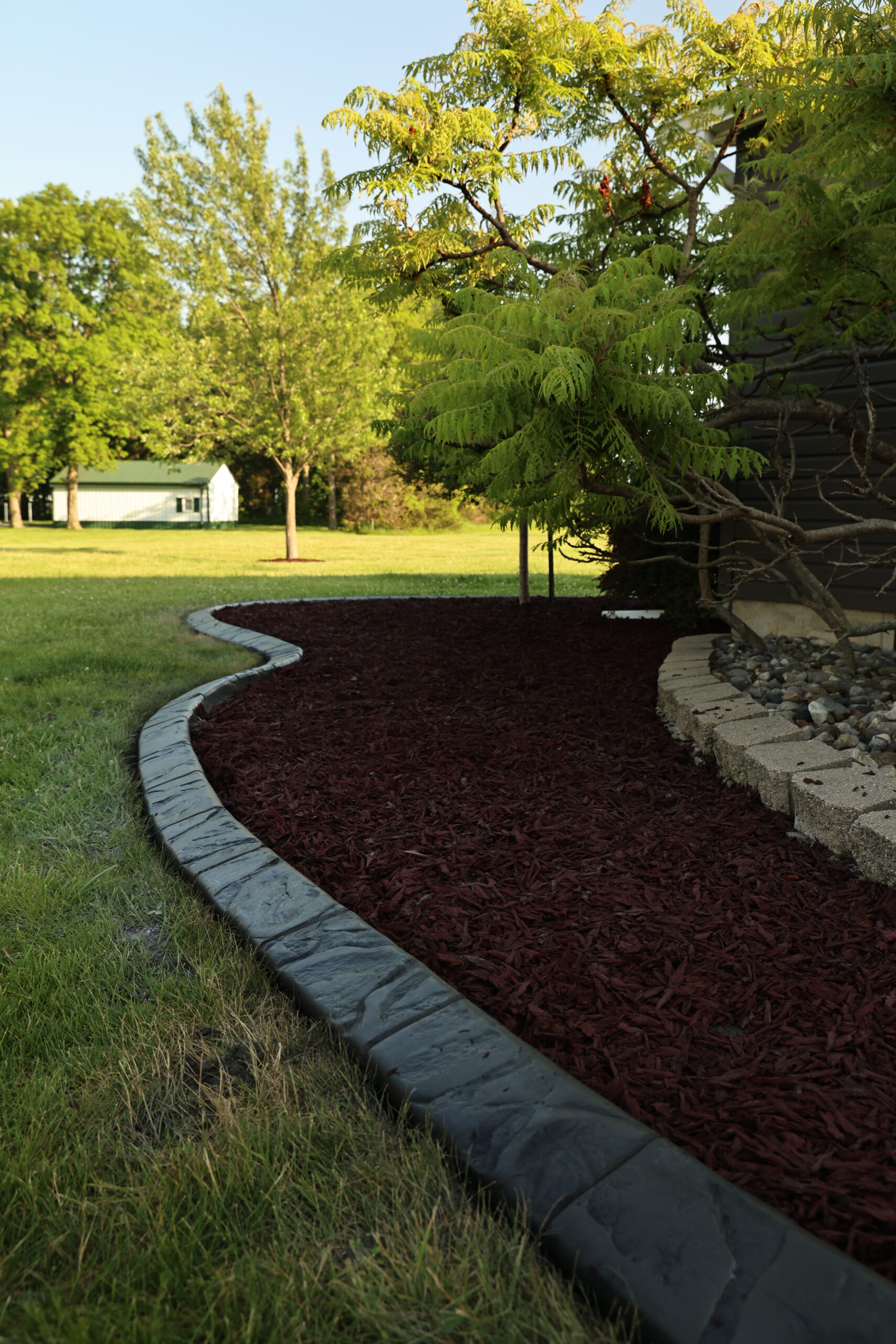
Maintenance requirements drop significantly with concrete borders. You won’t spend weekends repositioning edging after mowing or fighting invasive grass creeping into beds. The continuous barrier keeps mulch contained and reduces the need for frequent string trimming along bed edges. This also helps prevent washouts during heavy rain, keeping soil and mulch where they belong.
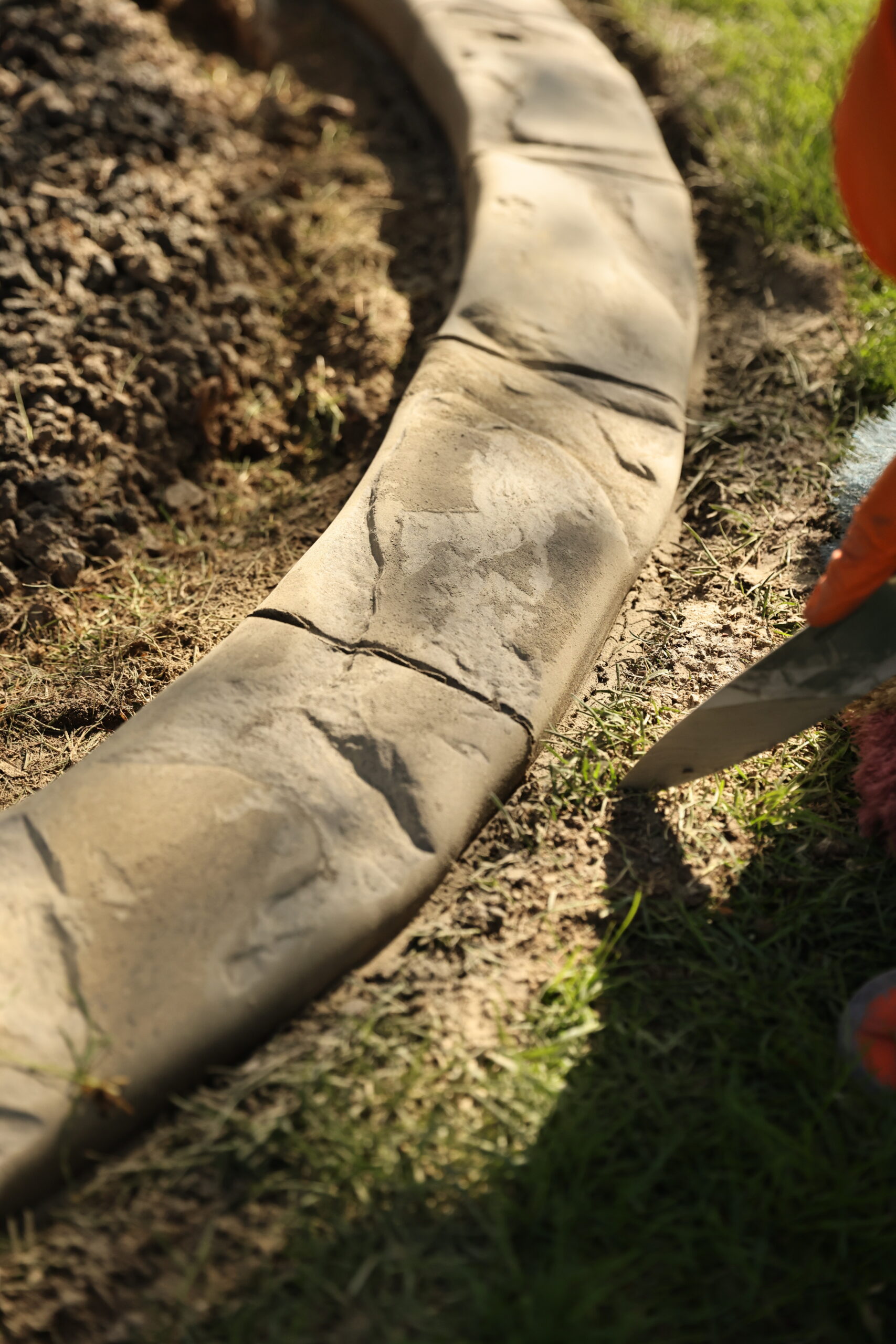
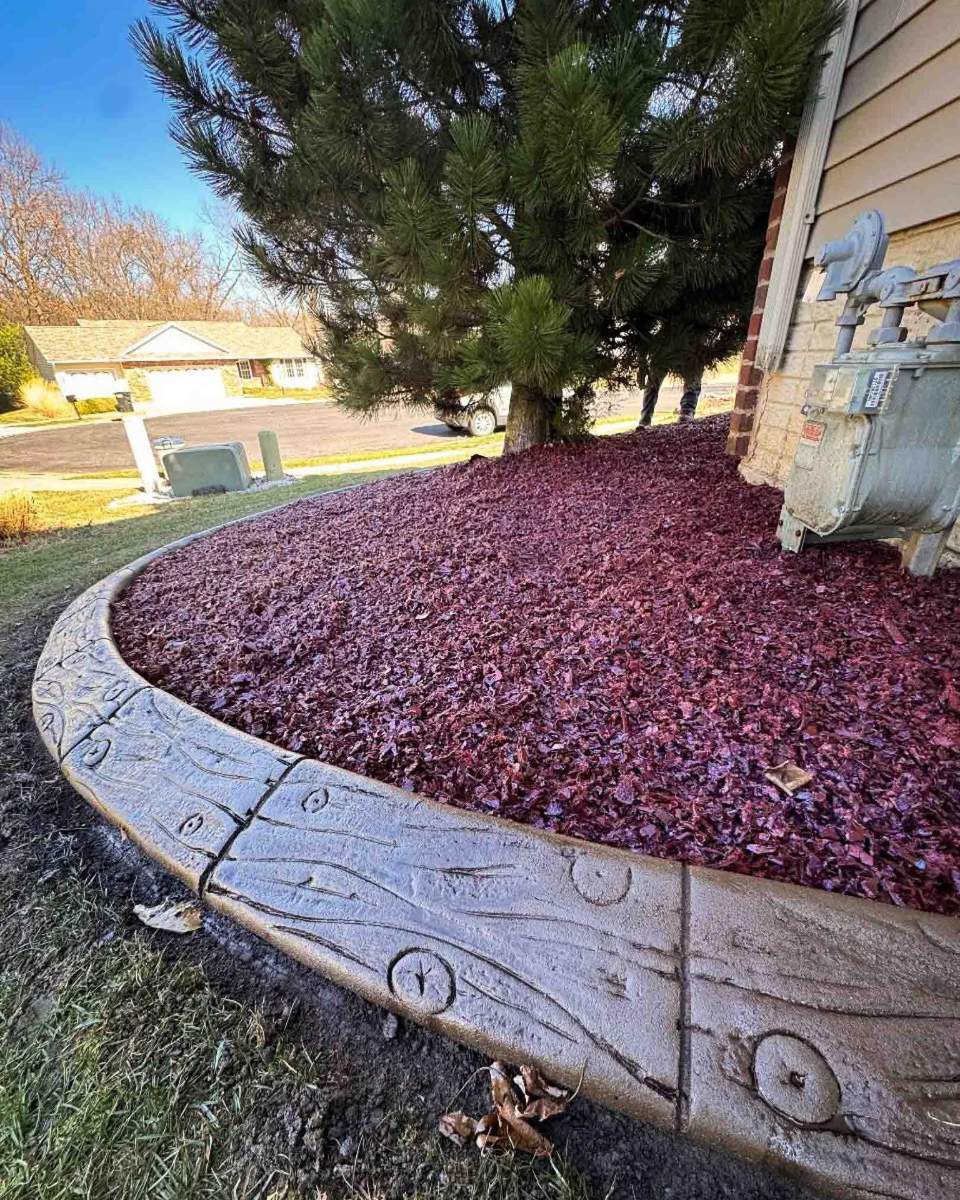
From a curb appeal standpoint, decorative concrete borders from AE Landscape Borders offer customization that basic edging can’t match. With pattern options like Missouri Flagstone or Fractured Rock and multiple color choices, you can complement your home’s exterior rather than settling for generic black plastic. The professional finished look often increases property value more than the installation cost.
Are There Any Downsides to Concrete Curbing?
The primary drawback is upfront cost—concrete landscape edging requires a larger initial investment than DIY plastic strips or basic metal edging. However, when you calculate replacement costs for cheaper materials every few years, the lifetime value often favors concrete. Companies like AE Landscape Borders offer financing options to make the investment more manageable.
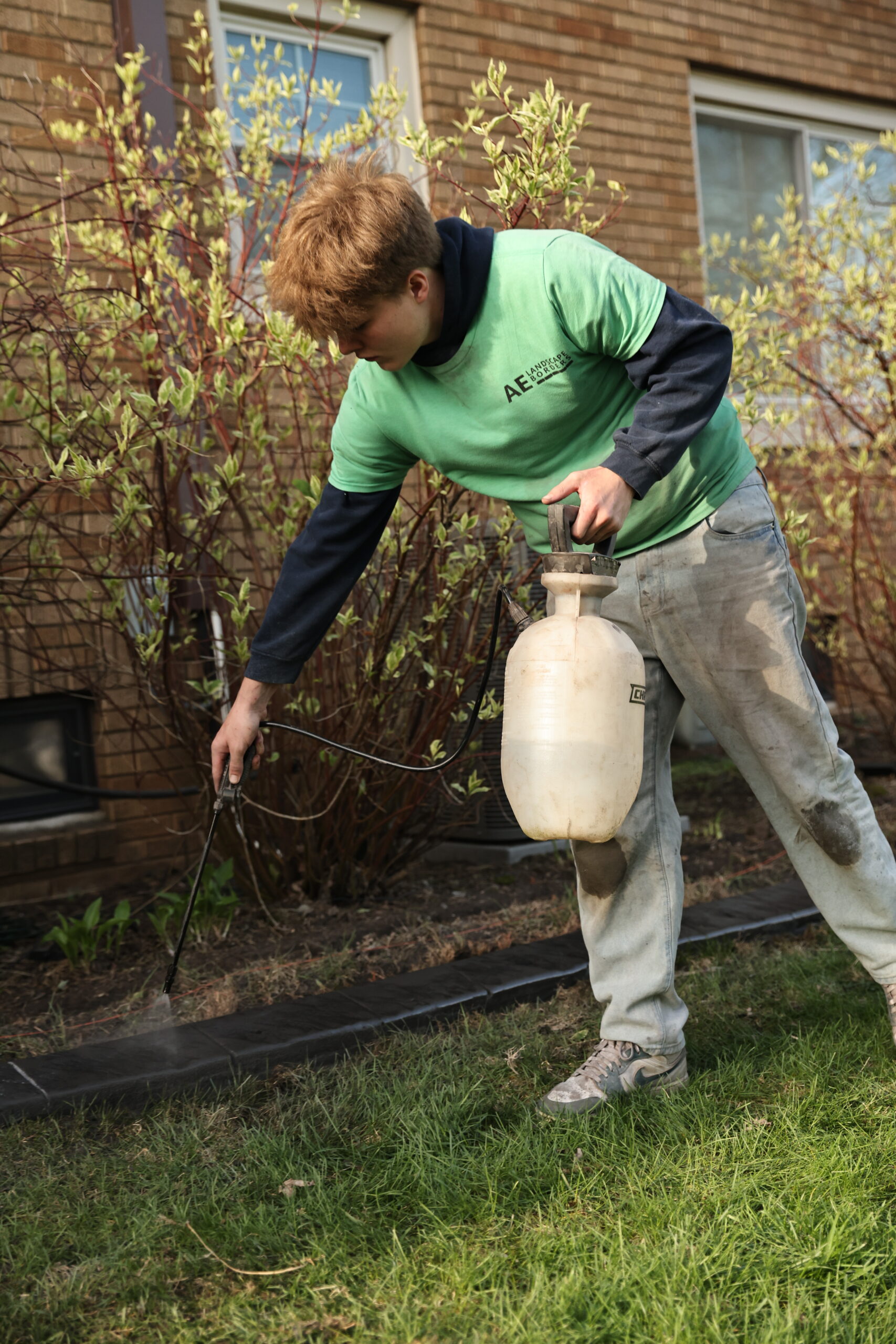
Installation also requires professional expertise rather than a quick weekend project. The curbing needs proper ground preparation and precise placement to handle sprinkler lines, tree roots, and underground utilities. Most residential projects take just one day to complete, but the concrete requires up to 28 days for full curing—during which you’ll need to avoid heavy pressure on the edges.
Concrete borders work best in permanent landscape designs. If you frequently rearrange garden layouts or prefer changing your yard’s footprint every few seasons, the permanence becomes a limitation rather than a benefit. Once installed, modifications require cutting or removal, unlike flexible alternatives you can simply pull up and reposition.
When Does Concrete Edging Make the Most Sense?
Concrete landscape borders excel in specific situations where their strengths align with homeowner needs. Properties with established landscaping that won’t see major layout changes benefit most—think mature trees, permanent foundation plantings, or stable garden bed arrangements. Choosing the right border pattern also depends on your garden layout and the overall aesthetic you want to achieve.
Homes in areas with aggressive grass types or frequent washout problems see immediate practical benefits. The solid barrier prevents Bermuda grass or crabgrass from invading beds, and the raised profile keeps heavy rains from washing mulch onto driveways or sidewalks. Sloped yards particularly benefit from the erosion control concrete curbing provides.
If you’re preparing to sell your home within a few years, decorative concrete edging offers strong return on investment through enhanced curb appeal. The clean, finished look photographs well in listings and signals to buyers that the property has been well-maintained. AE Landscape Borders backs their installations with a lifetime warranty, which transfers to new owners and adds selling value.
Commercial properties benefit from reduced ongoing maintenance costs. The durability means less frequent replacement, and the defined edges make it easier for landscaping crews to work efficiently. The professional appearance also reinforces brand image for businesses where first impressions matter.
How Does Concrete Compare to Other Border Materials?
Plastic edging costs less initially but typically needs replacement every 3-5 years as it becomes brittle from sun exposure. It also lacks the visual impact of decorative concrete and can heave out of the ground during freeze-thaw cycles, creating gaps where grass invades.
Metal edging offers more durability than plastic but still doesn’t match concrete’s lifespan. Steel varieties rust over time, especially in areas with irrigation or high rainfall. Aluminum holds up better but dents easily from lawnmower strikes and provides less resistance to aggressive grasses.
Natural stone borders deliver excellent aesthetics but require ongoing maintenance as individual stones shift or settle. The irregular gaps between stones allow grass and weeds to penetrate, and the porous nature means more frequent edging work. Proper drainage plays a role in how long your edging lasts, and stone’s permeability can sometimes work against long-term stability.
Brick edging sits somewhere between stone and concrete in terms of durability and cost. Individual bricks can shift or crack, and the mortar between them eventually deteriorates. While brick offers a classic look, it requires more upkeep than continuous concrete curbing from professionals like AE Landscape Borders.
Frequently Asked Questions
How much does concrete landscape edging cost compared to other options?
Concrete curbing has a higher upfront cost than plastic or basic metal edging, but the lifetime value is often better when you factor in replacement costs. Pricing varies based on project size, pattern complexity, and site conditions, so contact AE Landscape Borders for an accurate onsite estimate rather than relying on generic price ranges.
Can concrete borders be installed around existing trees and sprinkler systems?
Yes, experienced installers can work around trees, sprinkler heads, underground wiring, and other common obstacles. This does require professional expertise to ensure proper placement without damaging roots or utilities. Most residential installations take just one day despite these complications.
What happens if a section of concrete curbing cracks or gets damaged?
Quality installations backed by lifetime warranties, like those from AE Landscape Borders, address damage issues. The specific repair approach depends on the cause and extent of damage, but professional installers can often patch or replace affected sections without redoing entire runs.
Ready to explore whether concrete landscape borders make sense for your property? Contact AE Landscape Borders for a free onsite estimate. Their team can assess your specific situation, show you pattern and color options, and provide accurate pricing based on your yard’s unique conditions. Serving homeowners across the Midwest and Southeast, they bring hundreds of 5-star reviews worth of experience to every project.