

Quick answer: Fall is the ideal time for Charlotte homeowners to define garden beds before winter dormancy sets in. Installing concrete landscape borders now prevents mulch migration, blocks weed spread, and gives your yard crisp, clean lines that survive winter freeze-thaw cycles. AE Landscape Borders recommends completing edging projects by late November for the best results.
Key Takeaways
- Fall is the optimal season for installing garden bed borders in Charlotte, since cooler temperatures and manageable soil conditions make edging work easier and more durable.
- Concrete landscape borders outperform plastic or metal edging in Charlotte’s clay-heavy soil, resisting heaving caused by winter freeze-thaw cycles.
- Defined beds reduce maintenance come spring by containing mulch, blocking weed encroachment, and protecting dormant plants from lawn equipment damage.
Charlotte’s growing season may be winding down, but that doesn’t mean your yard work should stop. In fact, fall is one of the best times to tackle a project that often gets overlooked: creating clearly defined garden beds. As leaves drop and perennials go dormant, homeowners finally get a clear view of their landscape’s bones — and that makes it the perfect moment to install landscape edging Charlotte NC residents can count on through winter and beyond.
Without a solid border, mulch washes into the lawn, grass creeps into flower beds, and soil erodes during heavy fall rains. By the time spring arrives, you’re left untangling a messy transition zone instead of enjoying a yard that’s ready to bloom. Installing durable edging now solves that problem before it starts.
Why Install Landscape Borders in the Fall?
Charlotte’s climate gives homeowners a narrow but valuable window each fall. Soil temperatures remain workable well into November, and the region typically avoids the hard freezes that make ground work difficult in colder climates. This means contractors can excavate, level, and set borders without fighting frozen or waterlogged soil.
There’s also a practical timing benefit. Many plants are entering dormancy, so there’s less risk of damaging root systems during installation. And since lawn growth slows down, freshly installed borders have time to settle before spring mowing and planting season puts them to the test.
How Does Fall Weather Affect Landscape Edging Installation?
Charlotte’s fall weather — moderate temperatures, lower humidity, and reduced rainfall compared to summer — creates ideal conditions for curing concrete borders properly. Concrete needs stable temperatures to cure without cracking, and fall typically avoids both the scorching heat of summer and the hard freezes of deep winter. Installing in October or November gives the material several weeks to set before the coldest nights arrive.
Why Choose Concrete Over Plastic or Metal Edging?
Not all landscape borders are created equal, and Charlotte’s clay-heavy soil makes material choice especially important. Clay soil expands when wet and contracts when dry, a cycle that intensifies during winter freeze-thaw periods. This movement can heave lightweight plastic or metal edging right out of the ground within a season or two.
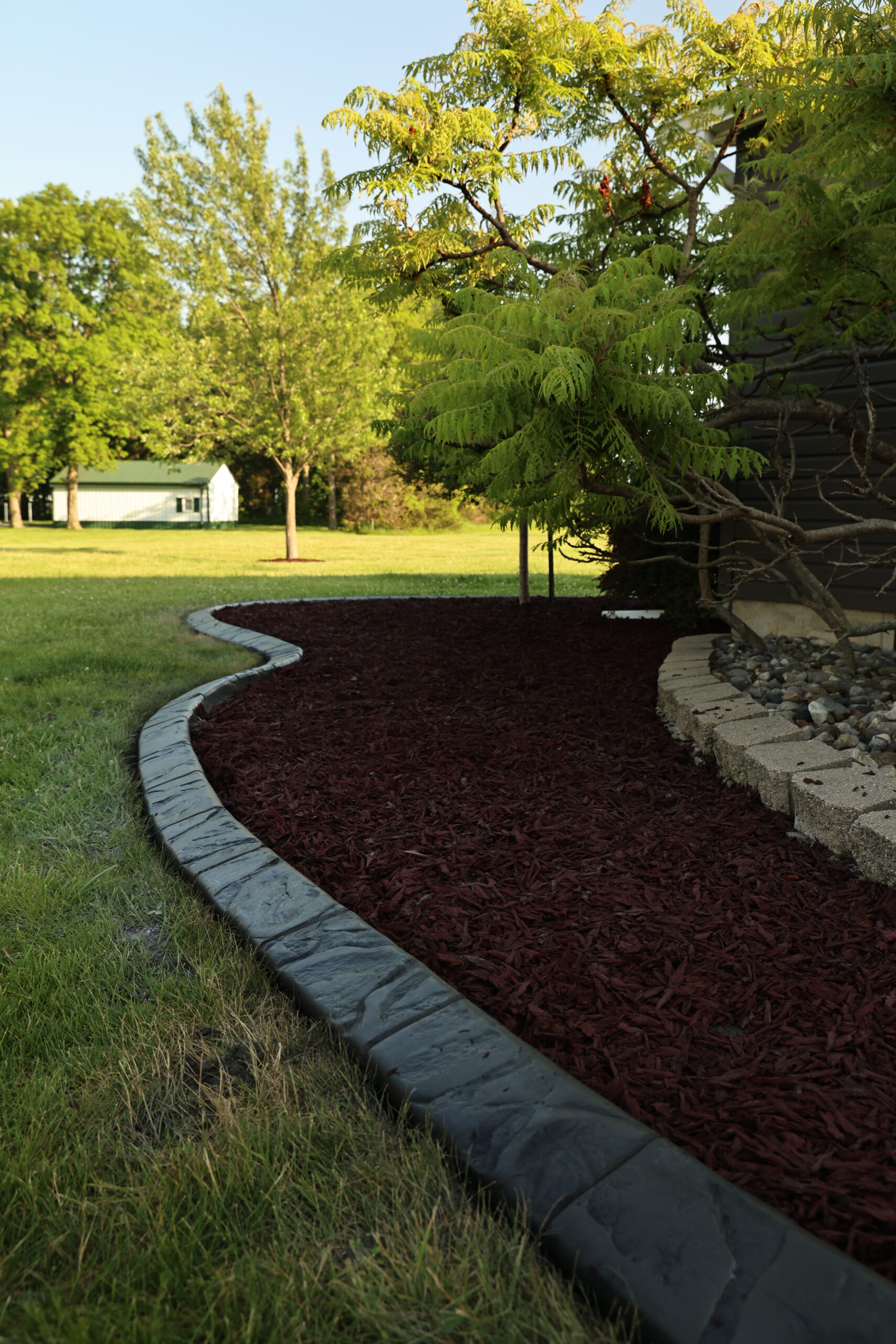
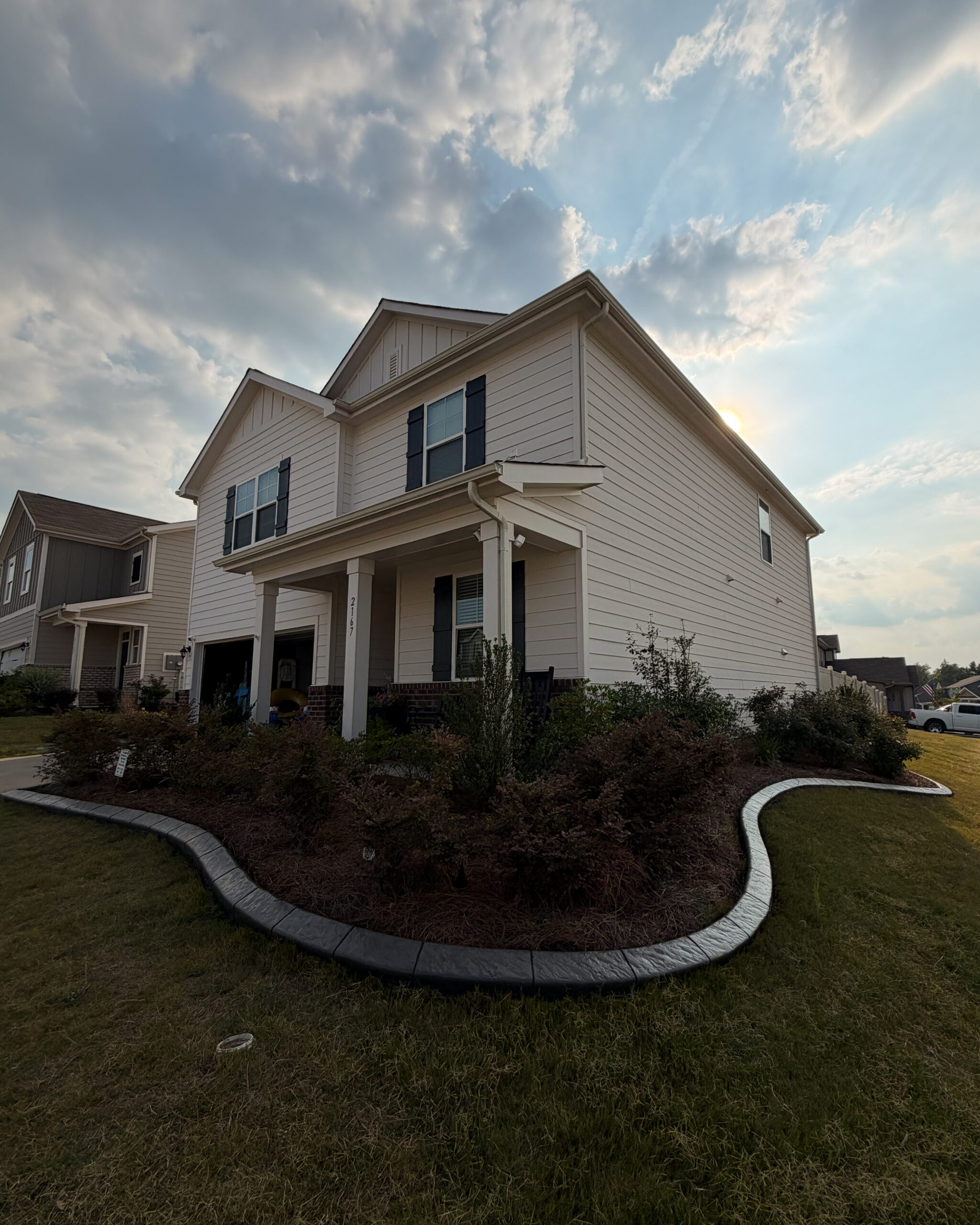
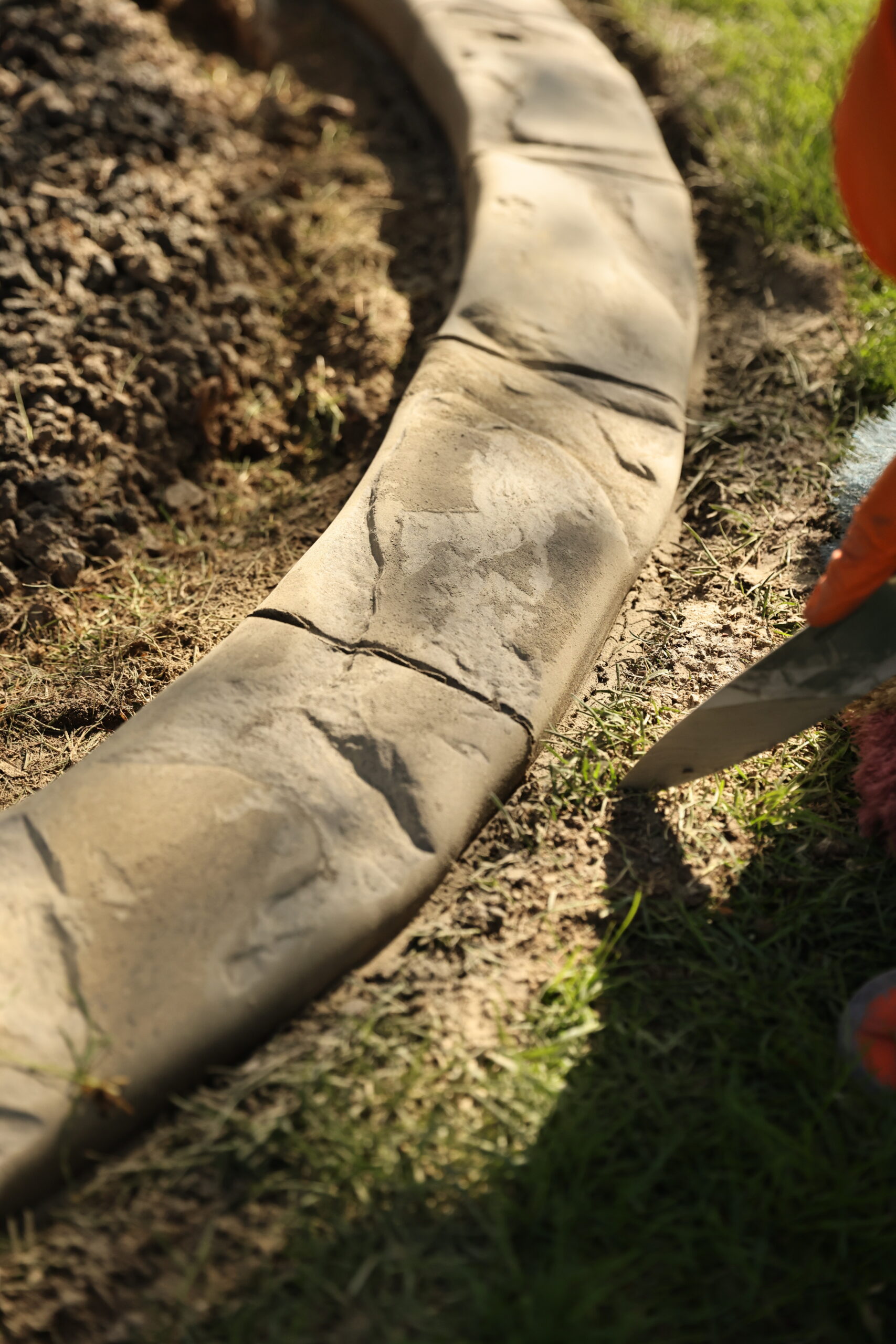
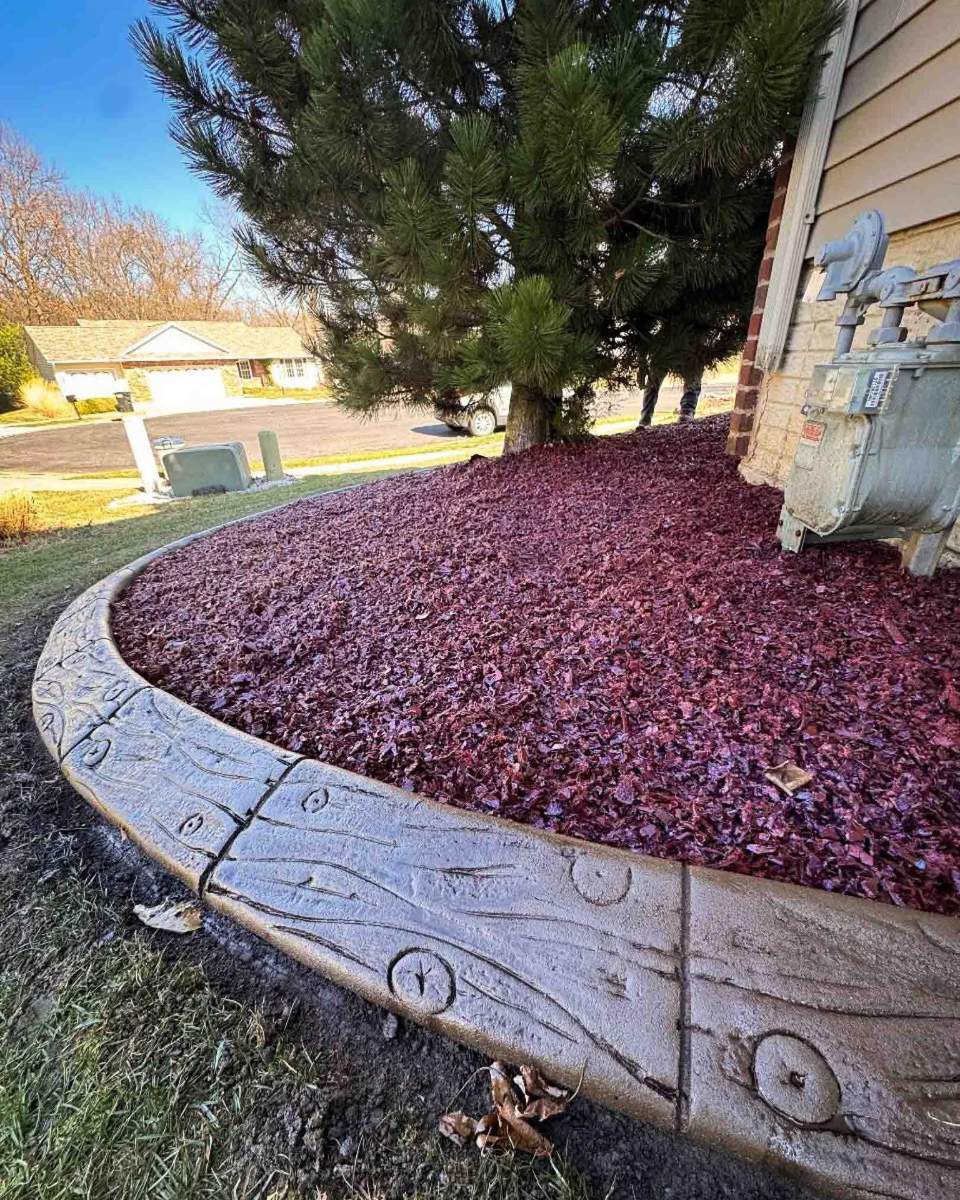
Concrete landscape borders are poured and shaped to follow the natural curves of your beds, creating a continuous, seamless barrier with no joints or stakes to work loose. Unlike segmented pavers or plastic strips, concrete borders don’t shift, sink, or separate from the surrounding soil as temperatures fluctuate.
Choose concrete if long-term durability and a polished, custom look matter more than upfront cost. Plastic or metal edging may suit a temporary setup or a tight budget, but homeowners planning to stay in their home for years typically find concrete pays off through reduced maintenance and replacement costs.
What Makes Concrete Borders Better for Charlotte’s Clay Soil?
Concrete’s rigidity and continuous pour design allow it to resist the swelling and shifting common in Charlotte’s clay soil. Because it’s installed as one connected structure rather than individual segments, there are no gaps for soil to push through or joints to loosen during freeze-thaw cycles — a common failure point for plastic and segmented edging.
Steps to Prepare Garden Beds Before Winter
Defining your beds before winter isn’t just about aesthetics. It’s about setting your landscape up to recover quickly once spring arrives. Here’s what a proper fall bed preparation process includes:
- Clear debris and dead growth. Remove fallen leaves, spent annuals, and dead foliage to prevent mold and pest issues from taking hold over winter.
- Edge the bed outline. Mark and cut a clean line between lawn and bed before border installation begins, ensuring a precise, professional result.
- Install the border. Set concrete landscape borders along the marked edge, shaping curves or straight runs according to your landscape design.
- Apply fresh mulch. A two- to three-inch layer of mulch insulates plant roots from temperature swings and helps retain soil moisture through winter.
- Check drainage. Confirm beds slope away from your foundation and that borders don’t trap water, which can cause rot or erosion during Charlotte’s wetter winter months.
What Are the Benefits of Defined Garden Beds Going Into Spring?
Homeowners who complete this process in fall consistently see fewer headaches once growing season resumes. Defined beds keep mulch and soil contained, which means less cleanup after winter storms and fewer stray weeds competing with spring plantings. Clean borders also protect dormant root systems from accidental damage during snow removal or lawn equipment use.
There’s a visual payoff too. A landscape with crisp, consistent edging looks intentional and well-maintained even in the quieter winter months, when fewer plants are in bloom to carry the design.
Get Your Beds Ready Before the First Frost
Charlotte’s mild fall season won’t last forever, and waiting too long narrows your installation window considerably. Homeowners who act now, while soil conditions remain workable, set their landscape up for an easier spring and a yard that holds its shape through every season change.
AE Landscape Borders specializes in custom concrete landscape borders designed for Charlotte’s unique soil and climate conditions. If you’re ready to create defined, low-maintenance beds before winter sets in, reach out to schedule a fall installation consultation.
FAQ
How long does it take to install concrete landscape borders?
Most residential projects take one to three days, depending on the length of the border and the complexity of the design. Weather conditions can also affect curing time.
Will concrete borders crack during winter freezes?
Properly installed and cured concrete borders are designed to withstand Charlotte’s typical winter temperatures. Cracking is more commonly caused by poor installation or inadequate curing time, not cold weather alone.
How much does landscape edging cost in Charlotte, NC?
Costs vary based on border length, design complexity, and site conditions. Homeowners should request a personalized quote, since material and labor pricing differ by project.
Can I install borders myself, or should I hire a professional?
While simple plastic edging is often DIY-friendly, concrete borders require proper excavation, forming, and curing techniques. Professional installation helps ensure durability and a clean, finished appearance.
Is fall really better than spring for this project?
Fall offers more predictable soil conditions and lower rainfall than Charlotte’s spring, allowing concrete more time to cure undisturbed before heavy spring planting and landscaping activity begins.