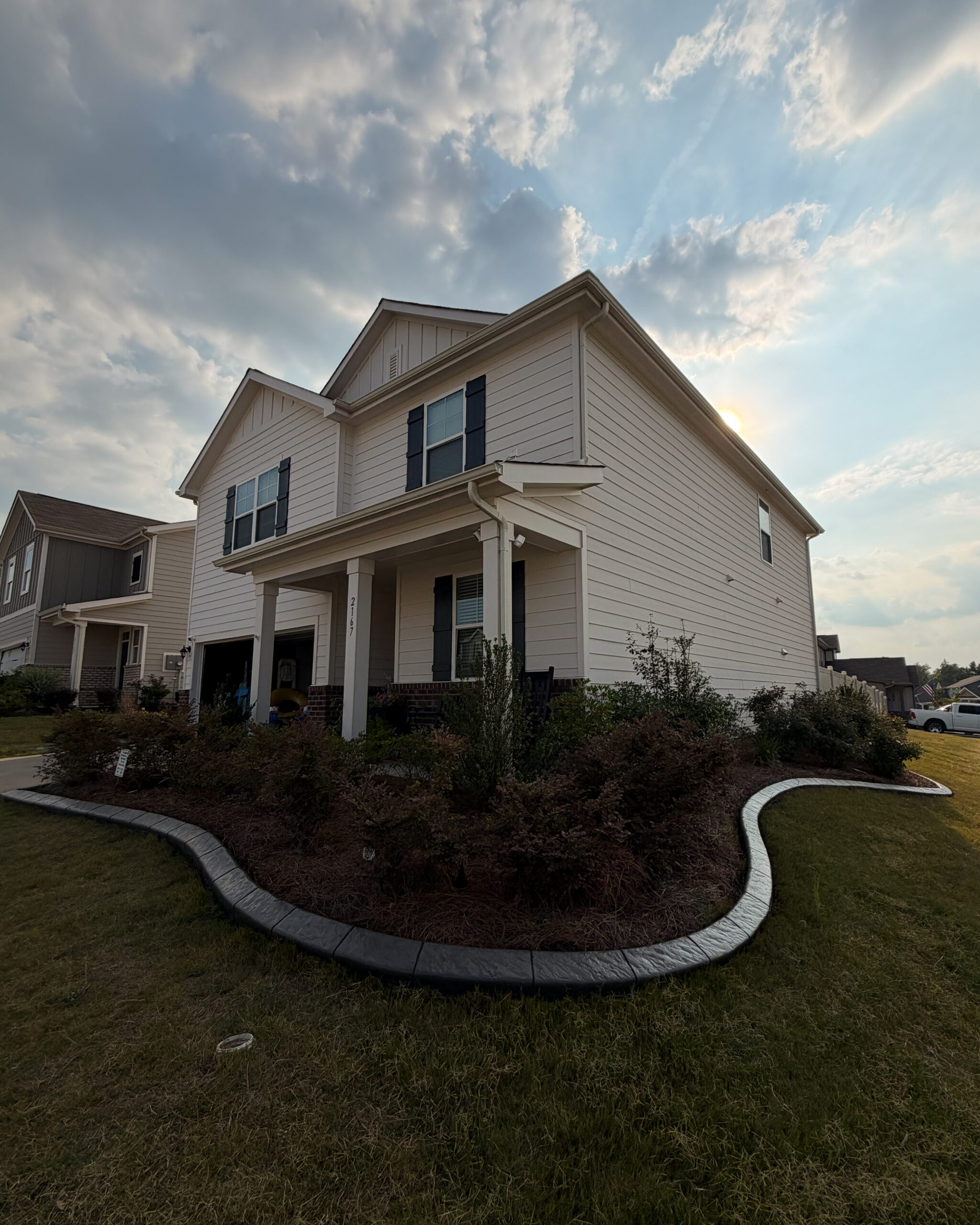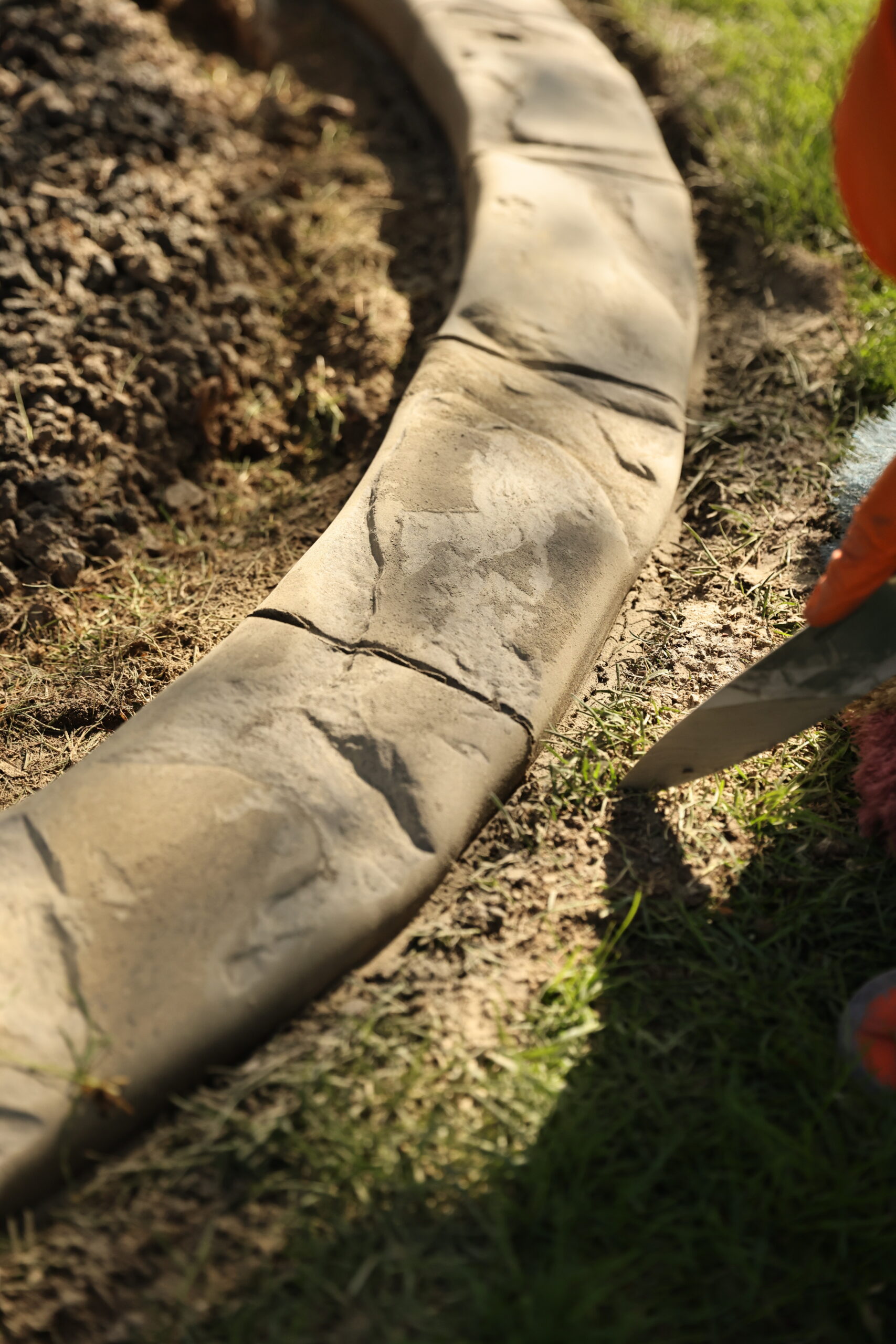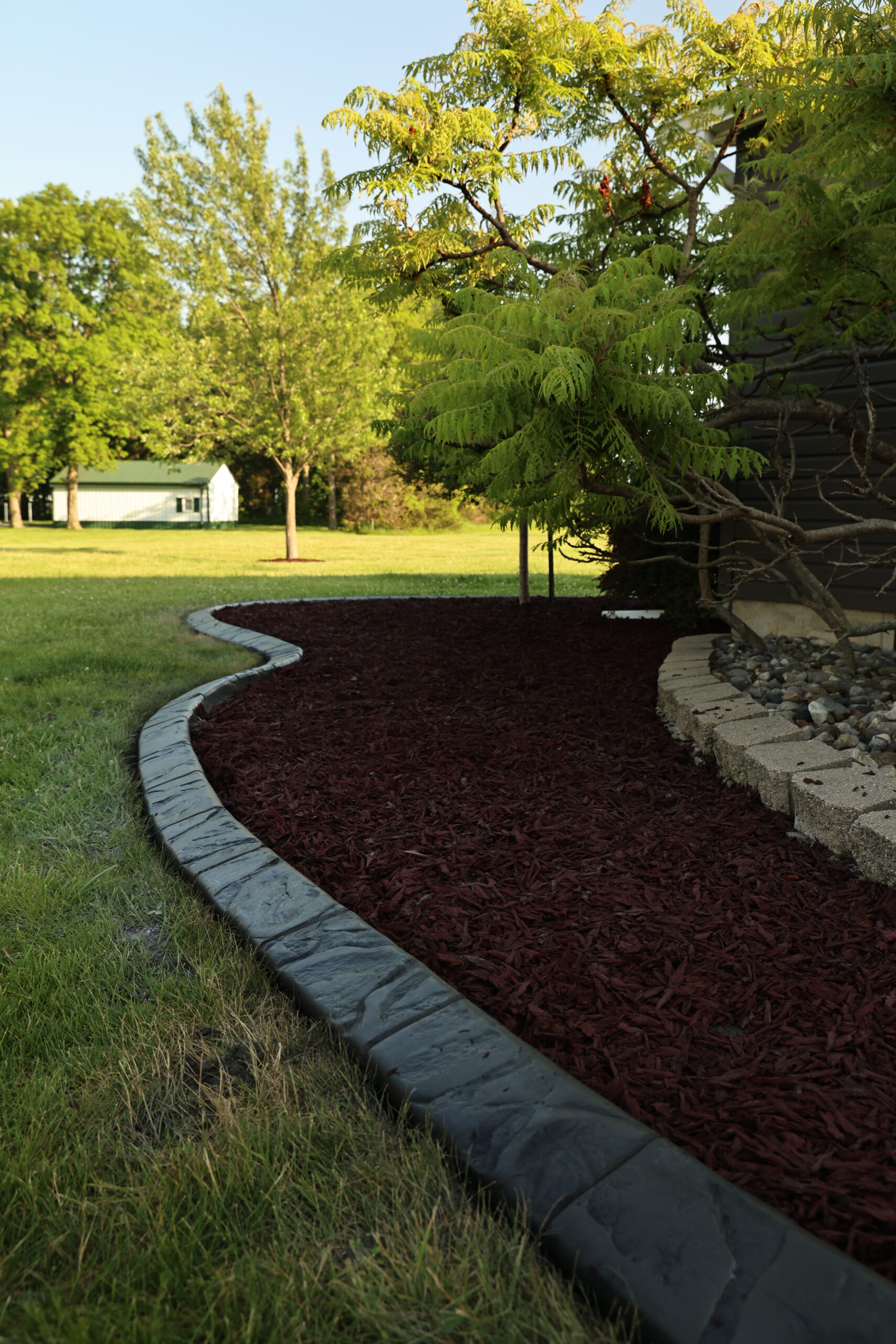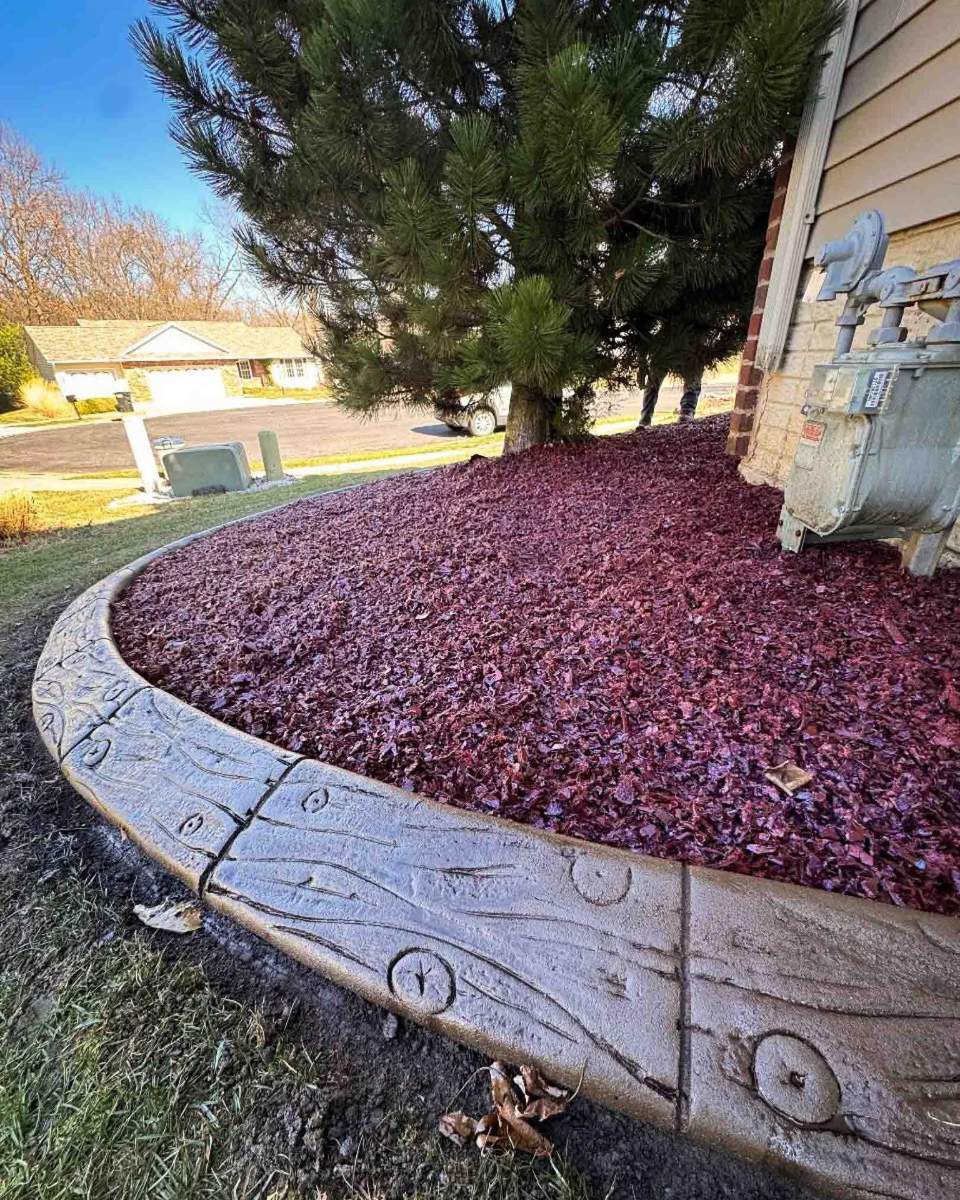


Quick Answer: Preparing flower beds for a Midwest winter means cutting back perennials, adding mulch, and protecting bed edges from freeze-thaw damage. Installing concrete landscape borders before the first freeze keeps soil contained, prevents heaving, and gives your garden clean, defined edges that survive snow, ice, and spring thaw without shifting or cracking.
Key Takeaways
- Midwest winters put serious stress on flower beds through repeated freeze-thaw cycles, which can crack plastic or wood edging and push soil out of place.
- Concrete landscape borders hold their shape through sub-zero temperatures, heavy snow loads, and spring runoff, making them a long-term fix rather than a seasonal patch job.
- Fall is the ideal time to winterize your beds and install new borders, since the ground is still workable and your landscaping is set up to handle whatever winter brings.
Winter in Illinois doesn’t ease in gently. One week you’re raking leaves, and the next you’re scraping frost off your windshield. Flower beds take the brunt of this shift, especially when the soil repeatedly freezes and thaws before settling in for a long cold stretch. If your beds are edged with plastic, wood, or loose stone, you’ve probably already watched those materials heave, crack, or drift out of place by spring.
That’s where concrete comes in. Unlike lighter materials, concrete stays put. It doesn’t warp when the ground swells with frost, and it doesn’t rot after months buried in snow. For homeowners in Lena, IL and across the region, pairing proper fall bed prep with durable concrete landscape borders is one of the most effective ways to protect your garden investment year after year.
This guide walks through what Midwest winters do to flower beds, how to prepare them before the cold sets in, and why concrete borders hold up where other materials fail.
What Does a Midwest Winter Do to Flower Beds?
Illinois winters are defined by volatility. Temperatures can swing from the 40s down to single digits within days, and that constant freeze-thaw cycle is tougher on soil and landscaping than the cold itself.
Here’s what typically happens:
- Frost heave: Water in the soil freezes, expands, and pushes everything above it upward, including plant roots and bed edging.
- Soil erosion: Snowmelt and spring rain wash loose soil out of beds that lack firm borders.
- Material fatigue: Plastic edging becomes brittle in the cold and cracks under pressure. Wood absorbs moisture, freezes, and splits.
- Mulch displacement: Without a solid edge, wind and melting snow scatter mulch across lawns and walkways.
None of this is unique to one yard. It’s the standard winter experience for flower beds across northern Illinois, which is why so many homeowners end up re-edging or replanting every spring.
How Do You Prepare Flower Beds for Winter in Illinois?
Getting your beds ready for the cold months doesn’t require a complete overhaul, just a few deliberate steps done before the first hard freeze.
Cut Back and Clean Up
Remove dead annuals and cut most perennials back to a few inches above the soil line. Leaving diseased or pest-infested plant material in the bed over winter only invites problems come spring.
Add a Layer of Mulch
A two- to three-inch layer of mulch insulates roots and moderates soil temperature swings. This is especially important for perennials and any shrubs planted within the last year.
Check Your Drainage
Standing water that freezes can damage both plants and nearby hardscaping. Make sure beds slope slightly away from structures and that mulch isn’t blocking drainage paths.
Reinforce or Replace Your Borders
This is the step most homeowners skip, and it’s often the one that causes the most frustration by spring. If your current edging already shows cracks, gaps, or shifting, fall is the time to address it, before frozen ground makes installation difficult and before another season of freeze-thaw cycles makes the damage worse.
Why Choose Concrete Over Plastic or Wood Edging?
Not all border materials are built for Illinois winters. Here’s how concrete compares to the alternatives homeowners typically consider.
Choose concrete landscape borders if you want a long-term solution that doesn’t need to be reset, replaced, or repaired each spring. Concrete resists cracking under frost pressure, won’t rot or warp from moisture, and maintains a clean, defined edge regardless of how harsh the winter gets.
Choose plastic or wood edging if you need a short-term or budget fix and don’t mind replacing it every few years. Plastic is lightweight and easy to install but becomes brittle in cold temperatures. Wood offers a natural look but breaks down faster when exposed to repeated freezing and thawing.
For homeowners who’ve already dealt with the hassle of re-edging flower beds every spring, the upfront investment in concrete pays off through reduced maintenance and a more polished look that holds up season after season.
Why Fall Is the Right Time to Install Concrete Borders
Installing borders in late fall, before the ground fully freezes, gives the concrete time to cure properly and settle into place ahead of winter’s worst conditions. Waiting until spring means working around thawing, saturated soil, which can affect both installation quality and timeline.
Fall installation also means your beds are fully protected for the entire winter stretch, rather than catching up after the damage has already occurred. For homeowners in landscape borders Lena IL residents rely on, scheduling this work in October or early November typically allows enough time to complete the project before hard frost sets in.
Start Protecting Your Flower Beds Before the Freeze
Midwest winters aren’t forgiving, but your flower beds don’t have to bear the brunt of it. Cutting back plants, mulching properly, and checking drainage will carry your garden through the cold months. Pairing that prep with durable, professionally installed concrete borders means you won’t be starting from scratch every spring.
If your current edging has seen better days, now’s the time to make the switch before the ground freezes. A properly installed concrete border isn’t just a seasonal fix. It’s a permanent upgrade to how your landscaping holds up, year after year.
Frequently Asked Questions
How much do concrete landscape borders cost compared to plastic or wood?
Concrete borders typically cost more upfront than plastic or wood edging, but they last significantly longer and don’t require annual replacement, which makes them more cost-effective over several years.
How long does it take to install concrete landscape borders?
Most residential flower bed border installations can be completed within a single day, depending on the total length of the beds and site conditions.
Can concrete borders crack in freezing temperatures?
Properly installed concrete borders are designed to withstand freeze-thaw cycles without cracking. Issues typically arise only from poor installation or inadequate curing time, which is why professional installation before winter matters.
Is fall really the best time to install borders, or can it wait until spring?
Fall is ideal because the ground is still workable and the concrete has time to cure before freezing temperatures arrive. Spring installations often get delayed by thawing, saturated soil.
Do concrete borders work for curved or irregularly shaped flower beds?
Yes, concrete can be formed and poured to fit curved, circular, or irregular bed shapes, offering more design flexibility than rigid materials like brick or pavers.