

Concrete landscape borders add lasting beauty and function to your yard, but improper installation can lead to frustrating cracks within just a few years. Understanding what causes cracking and how professional installation practices prevent it helps homeowners make informed decisions about their landscape edging investment.
Why Do Concrete Borders Crack in the First Place?
Concrete cracking isn’t inevitable—it’s usually the result of shortcuts during installation. The most common culprits include inadequate base preparation, improper concrete mixing, and failing to account for ground movement.
When the ground beneath your border isn’t properly compacted, settling occurs over time. This creates voids under the concrete that eventually lead to stress cracks. Similarly, concrete that’s mixed too wet or too dry won’t cure with the structural integrity needed to withstand freezing temperatures and soil shifts.
Tree roots, buried sprinkler lines, and drainage issues also contribute to cracking if they’re not addressed before installation. Professional installers like AE Landscape Borders assess these factors during the initial visit to prevent problems before they start.
Critical Installation Practices That Prevent Cracking
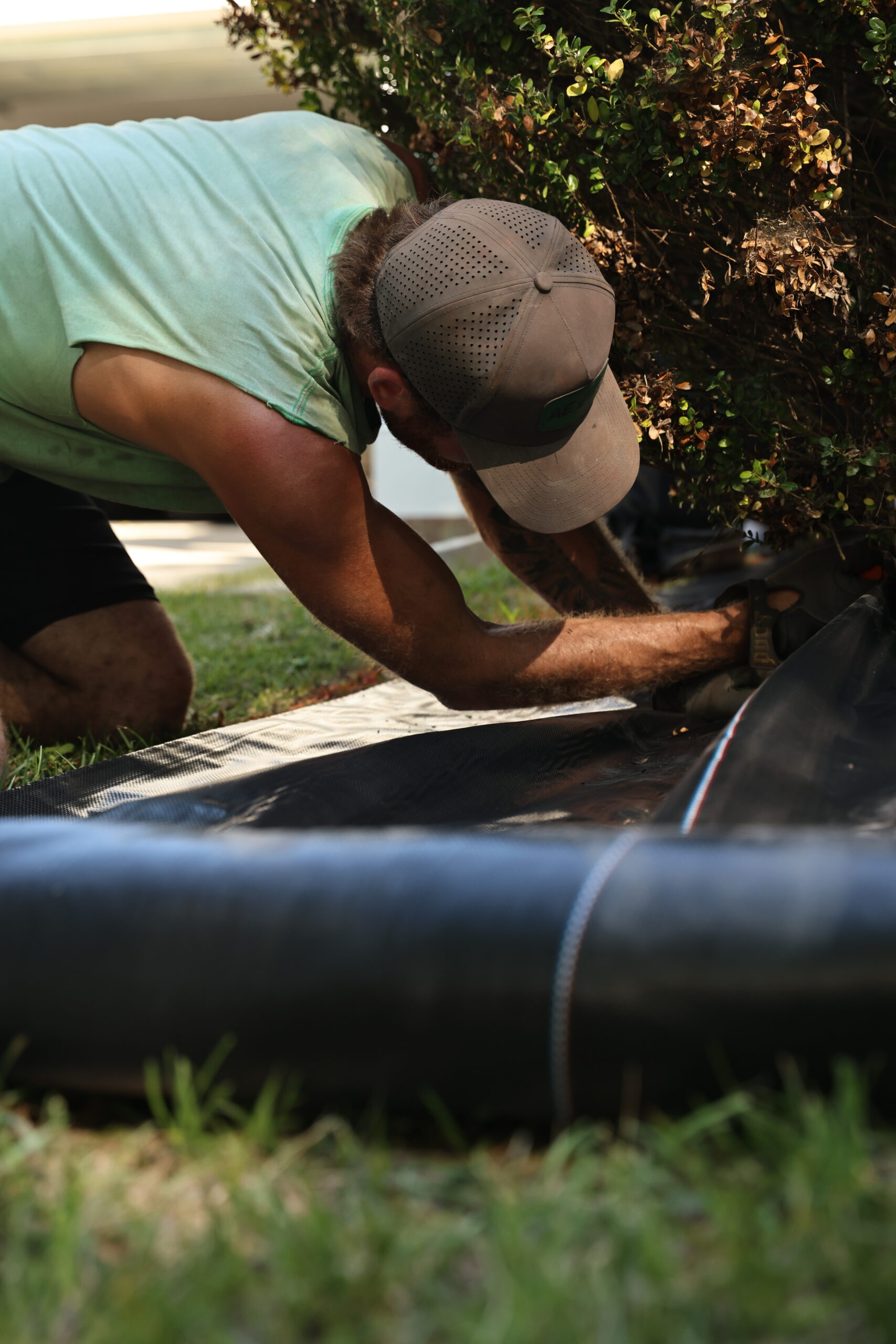
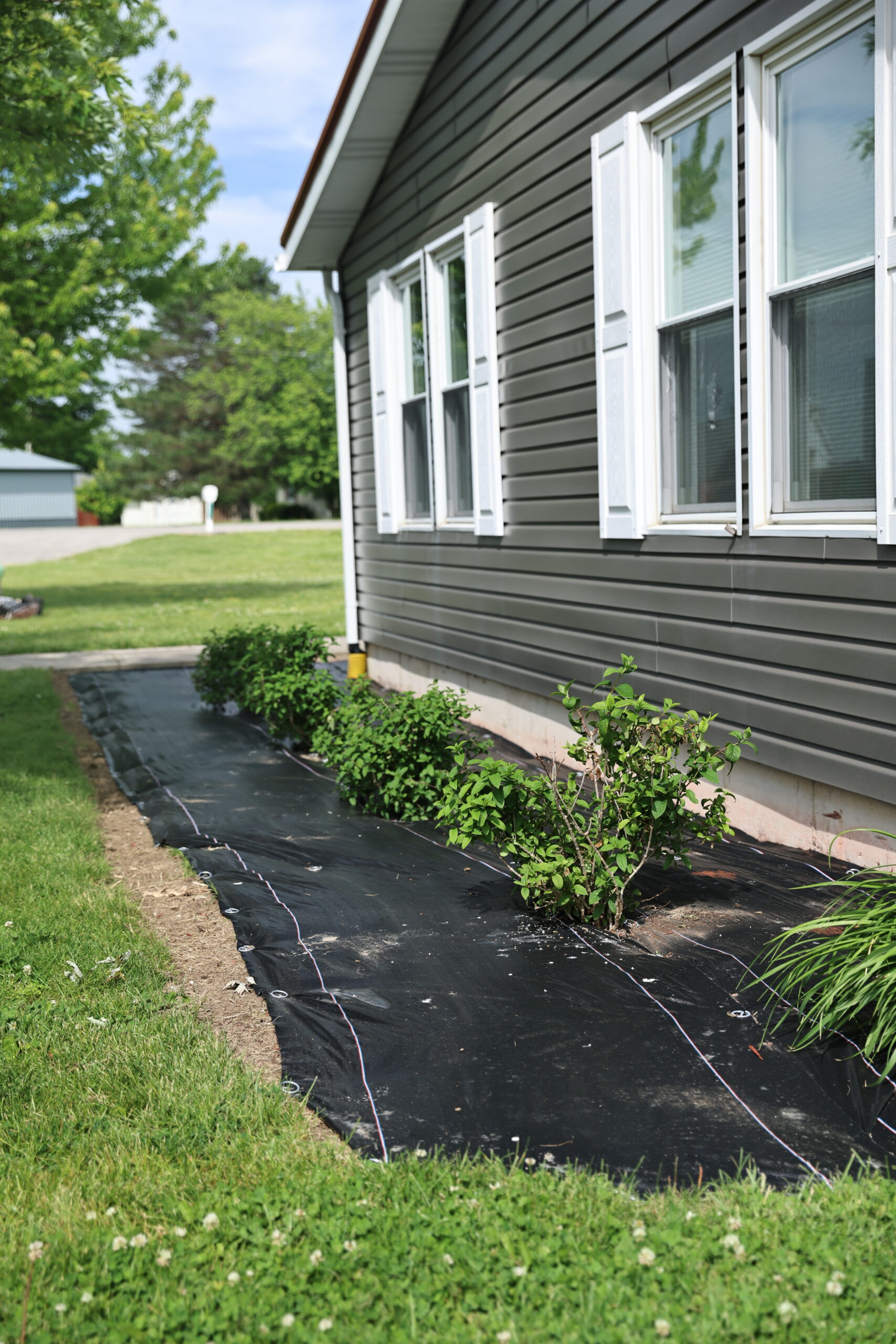
Proper base preparation makes the difference between borders that last decades and those that crack within seasons. The ground must be excavated to the correct depth, cleared of organic material, and compacted firmly. A stable base prevents the settling that causes most structural cracks.
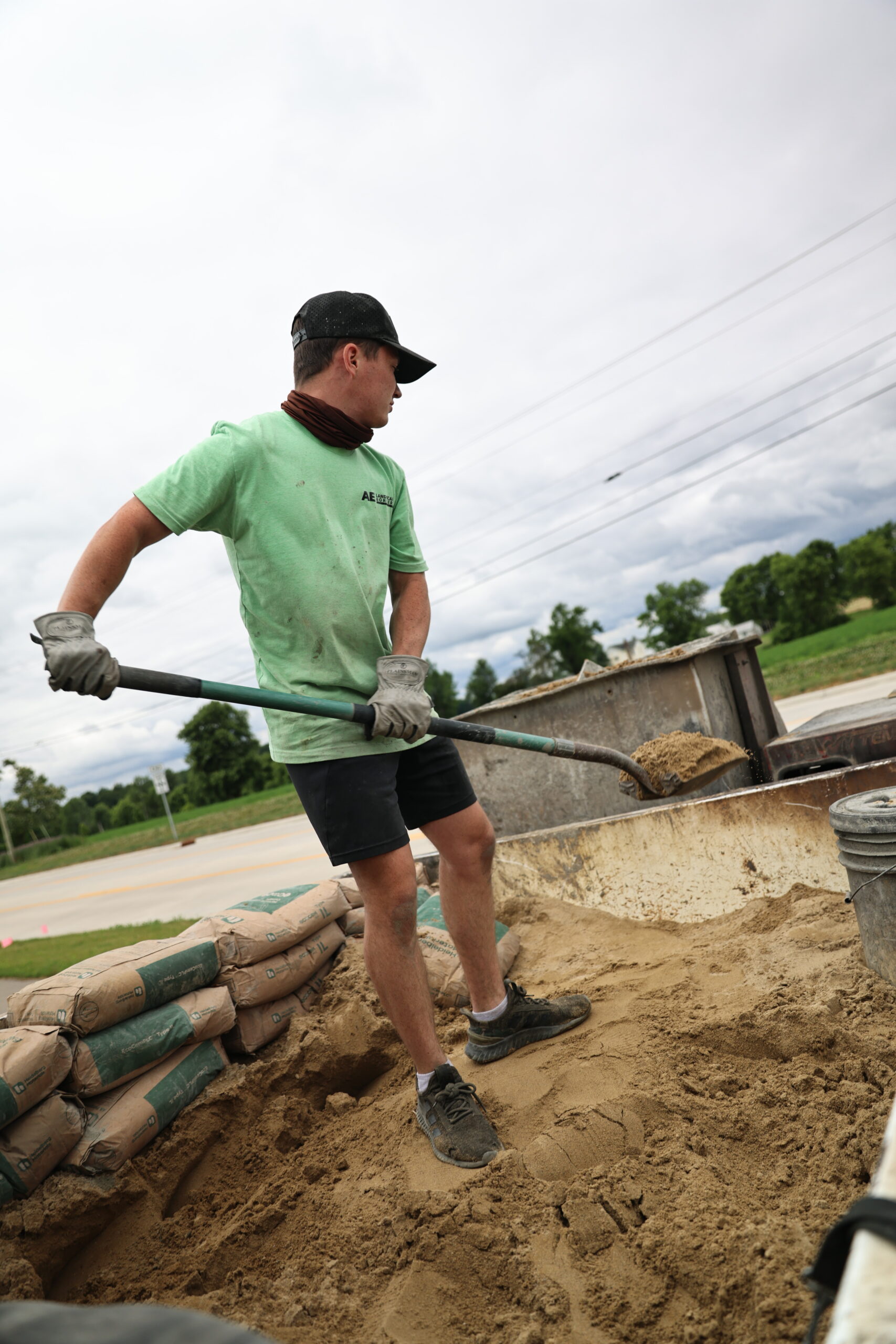
Concrete mix ratios matter tremendously. Too much water weakens the final product, while insufficient moisture prevents proper curing. Experienced installers adjust mix ratios based on temperature, humidity, and specific site conditions—not just following a one-size-fits-all approach.
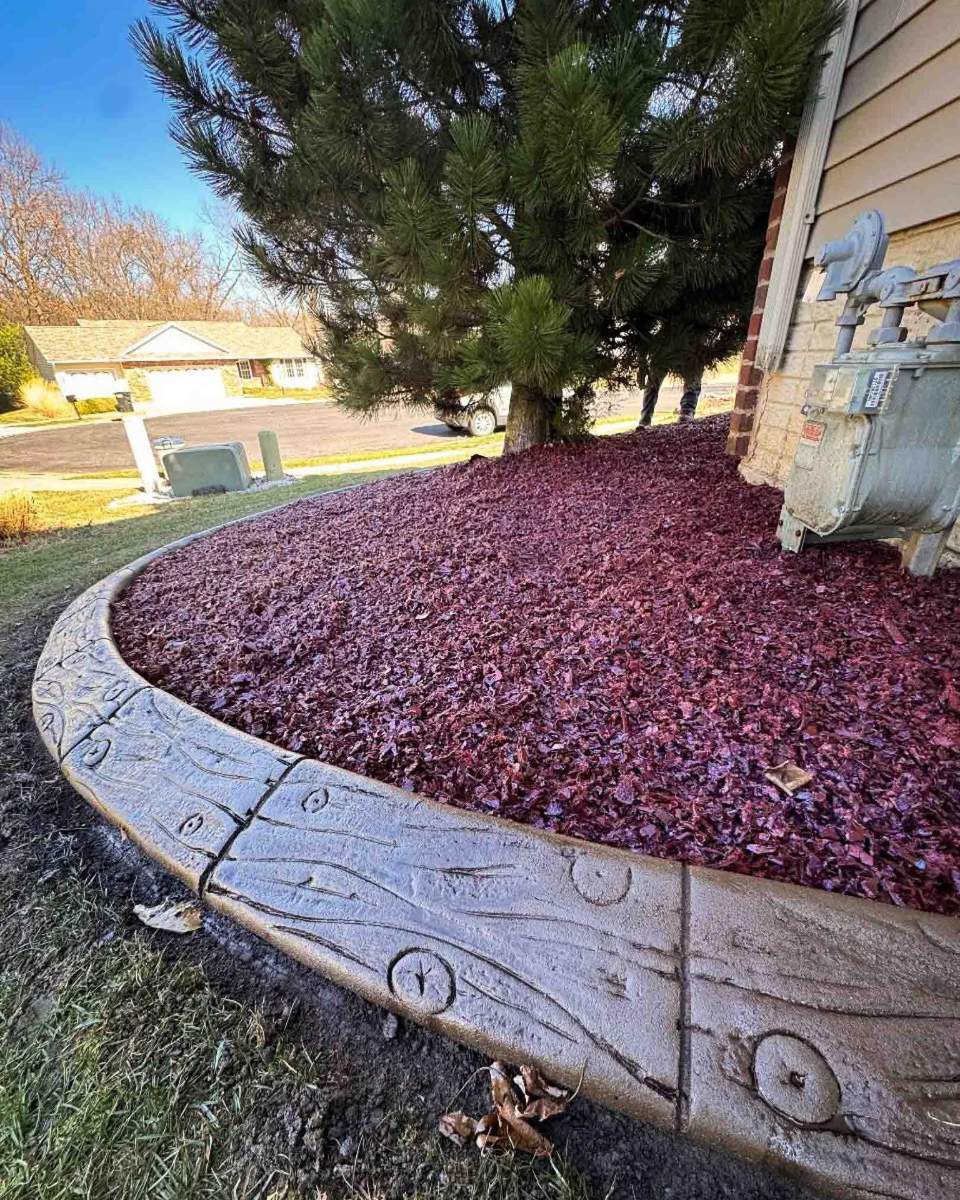
Expansion joints are another essential element. Concrete naturally expands and contracts with temperature changes. Strategic placement of control joints allows this movement to occur in predetermined locations rather than creating random cracks across your decorative concrete edging.
When working around existing landscape features, professional installation includes careful handling of obstacles. Sprinkler lines get rerouted or bridged, tree roots are respected with appropriate clearances, and existing drainage patterns are maintained or improved. Choosing the right border pattern also depends on your garden layout and the natural movement patterns in your specific soil type.
How Weather and Timing Impact Installation Quality
Temperature during installation directly affects concrete curing and long-term durability. Installing when it’s too hot causes rapid moisture loss and surface cracking. Too cold, and the concrete won’t cure properly, leaving it vulnerable to freeze-thaw damage.
This is why AE Landscape Borders operates within a specific season—March through November, weather dependent. This window ensures conditions support proper curing and maximizes the longevity of your concrete curbing.
Even after installation, the curing process continues for up to 28 days. During this period, the concrete gains strength and durability. Professional installers provide aftercare instructions to protect borders during this critical phase.
The Warranty Difference: Confidence in Installation Quality
A lifetime warranty on decorative concrete borders signals confidence in installation practices. It means the company uses proper techniques, quality materials, and experienced crews who understand the details that prevent cracking.
AE Landscape Borders backs their installations with a lifetime warranty because they control every aspect of the process—from base preparation through final finishing. This warranty covers structural issues including cracking, giving homeowners peace of mind that their investment is protected.
Compare this to DIY installations or cheaper alternatives like plastic or metal edging, which lack both professional installation standards and meaningful warranties. Proper drainage plays a role in how long your edging lasts, and professionals account for these factors that homeowners might overlook.
Frequently Asked Questions
How long does it take for concrete borders to fully cure?
While most concrete borders are ready for light use within 24-48 hours, full curing takes up to 28 days. During this time, the concrete continues gaining strength and durability. Following your installer’s aftercare instructions during this period helps prevent surface issues.
Can concrete borders be installed near tree roots without cracking?
Yes, when installed properly. Professional installers maintain appropriate clearances from major roots and use techniques to accommodate natural root growth. The key is assessment before installation—identifying root patterns and planning the border path accordingly.
What’s the difference between cracks and control joints?
Control joints are intentional grooves placed at regular intervals to guide where concrete naturally contracts and expands. They’re a feature, not a flaw. Random cracks that appear elsewhere indicate installation or curing issues.
Ready to add durable, crack-resistant borders to your landscape? Contact AE Landscape Borders today for a free onsite estimate. Their experienced team will assess your property, explain the installation process, and show you how proper techniques and a lifetime warranty protect your investment for decades to come.