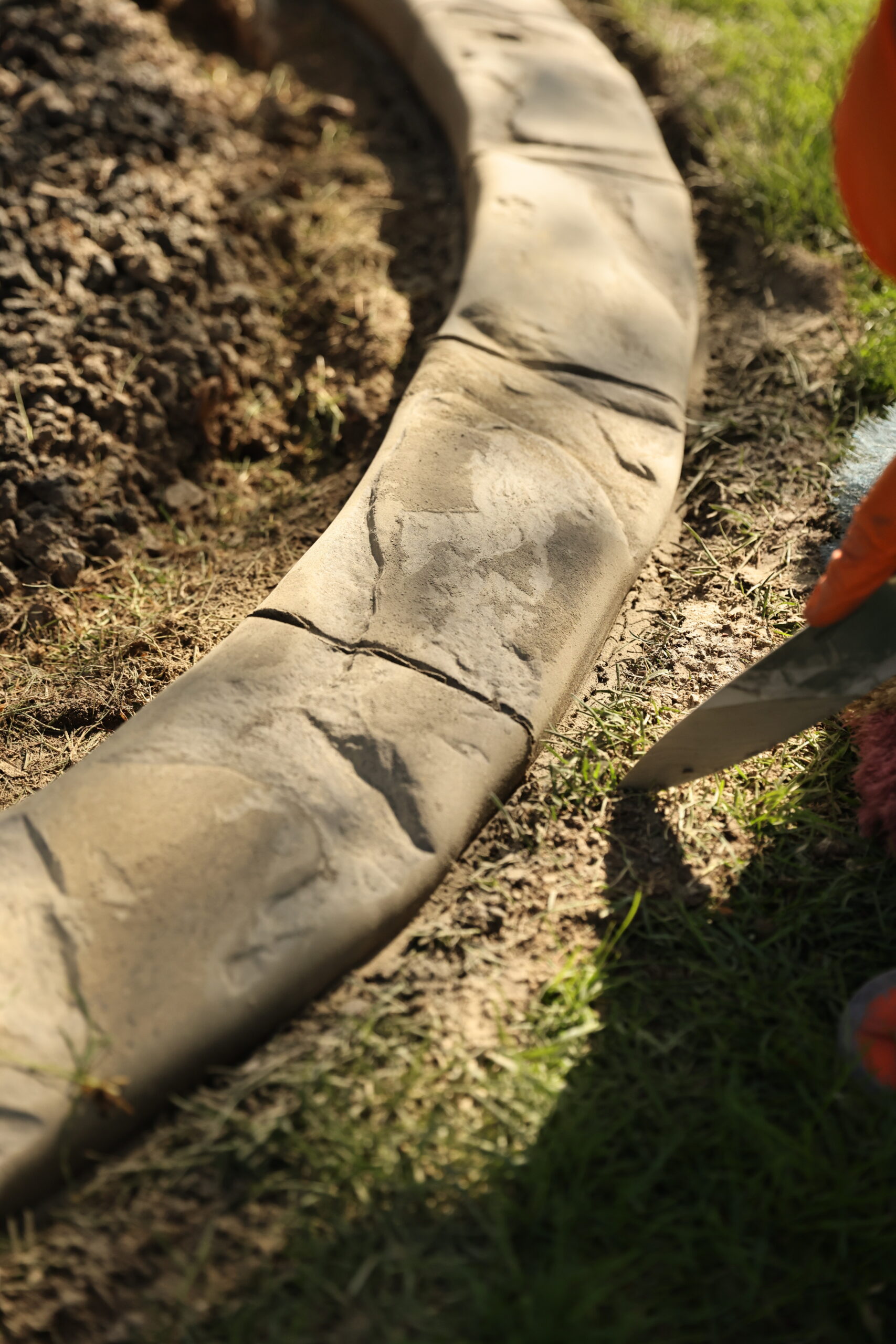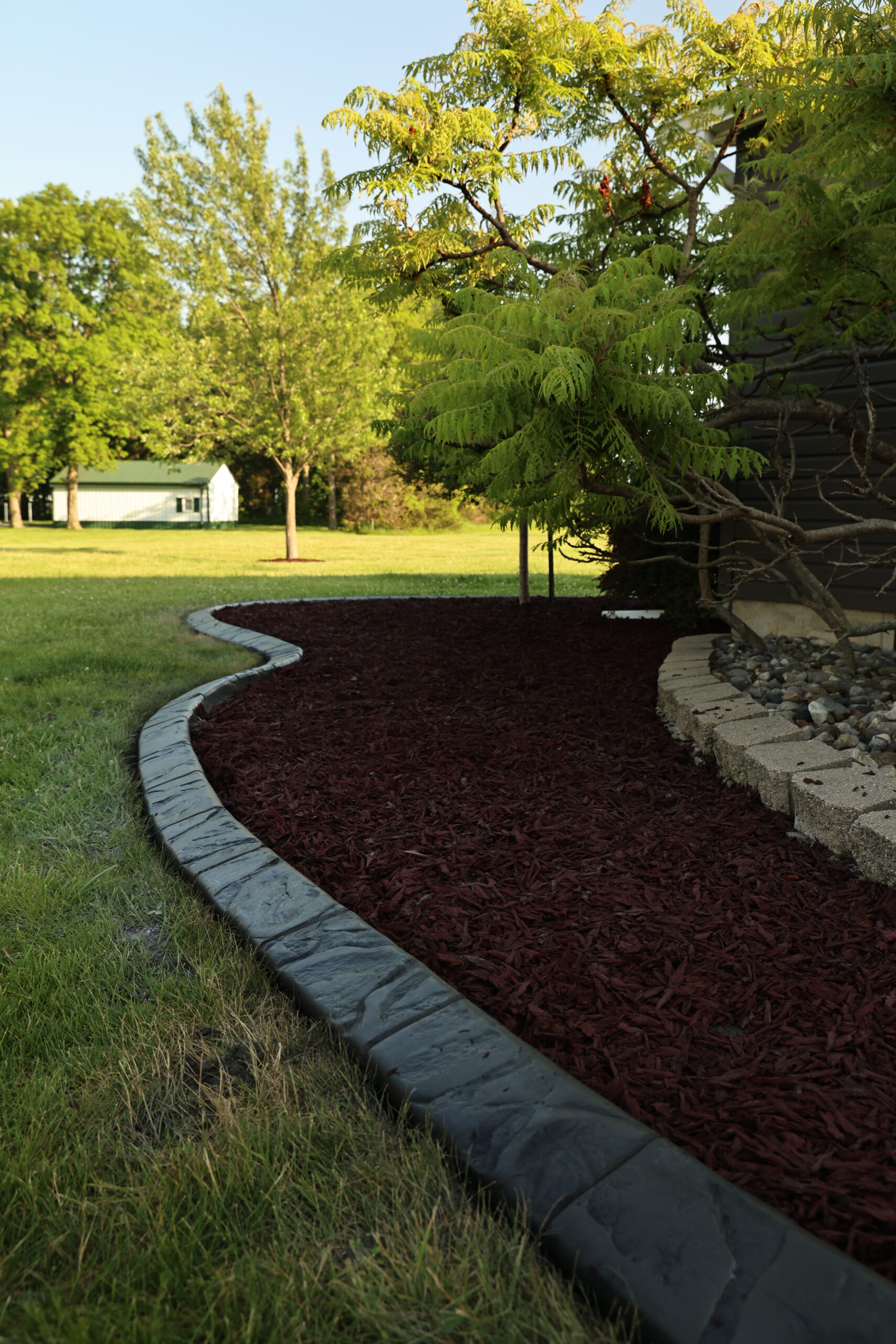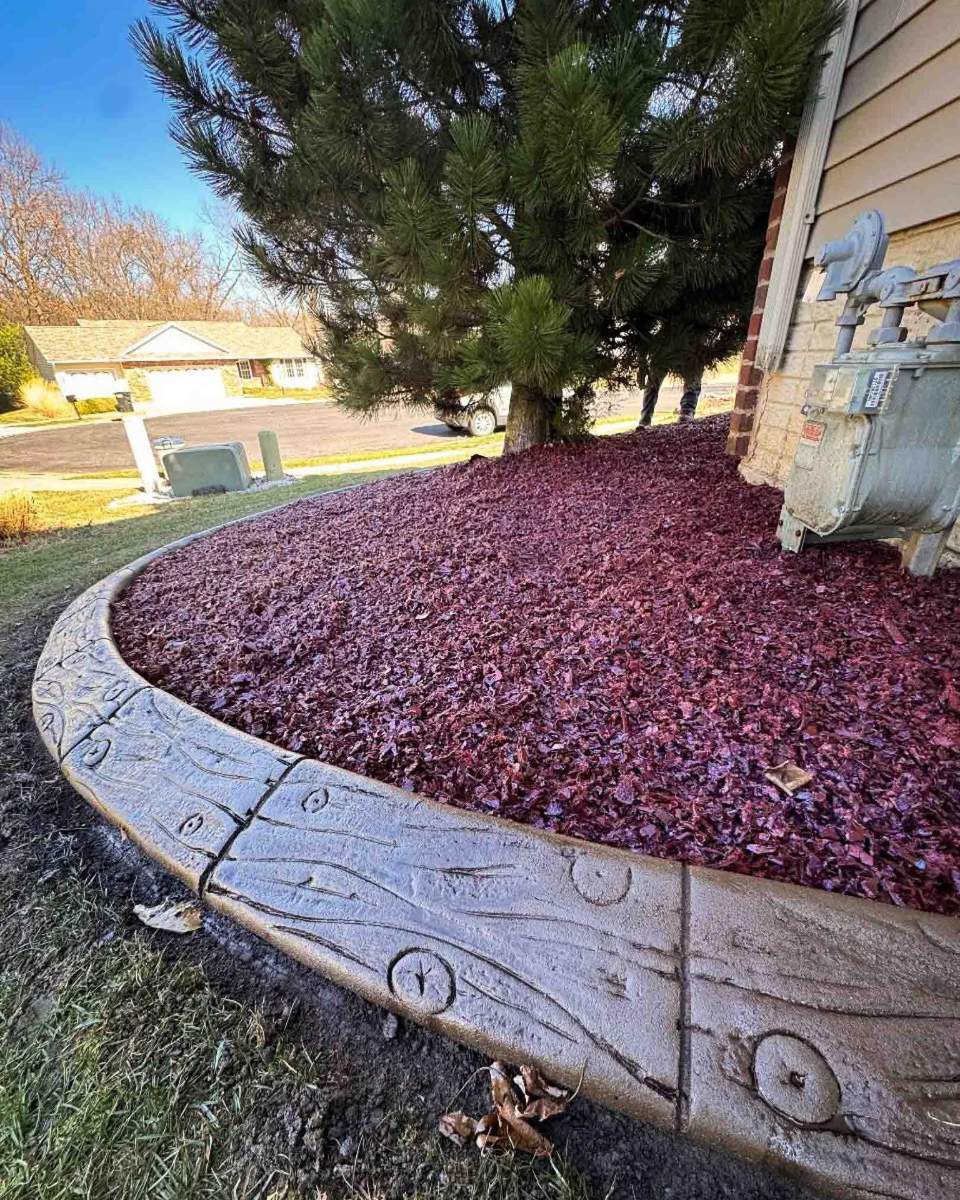


One of the smartest ways to transform a yard from chaotic to cohesive is by using decorative concrete borders to define distinct “rooms” throughout your landscape. Just like walls and furniture divide your home into functional spaces, professionally installed concrete curbing creates clear zones in your front beds, side yards, and backyard—giving your property structure, purpose, and serious curb appeal.
Whether you’re working with a sprawling lot or a modest suburban yard, creating defined landscape rooms makes your outdoor space feel intentional and polished. Here’s how to use borders effectively in each area of your property.
How Do Landscape Borders Create Defined Outdoor Rooms?
Think of landscape borders as the framework that separates one area from another. In your front yard, a decorative concrete border around foundation plantings creates a formal “entry room” that welcomes visitors. Along the side of your house, borders can define a narrow pathway or service area without looking like an afterthought.
In the backyard, borders really shine. You can use AE Landscape Borders to separate a patio dining area from a play zone, outline a fire pit gathering space, or frame a garden bed that stands apart from your lawn. Each bordered zone tells your eye where one function ends and another begins—no guesswork required.
The key is choosing borders that complement each other across your property. AE Landscape Borders offers patterns like Missouri Flagstone, Fractured Rock, and Slate, along with coordinating color options, so your front beds, side yards, and backyard zones feel connected rather than random.
Using Borders in Front Beds to Frame Your Home’s Entry
Your front landscape is your home’s first impression, and well-defined beds make all the difference. Concrete curbing around foundation plantings creates a clean, permanent edge that highlights your home’s architecture while keeping mulch and soil contained.
Front bed borders also reduce the need for constant edging and trimming along the grass line. Once AE Landscape Borders installs your curbing, you’ve got a maintenance barrier that lasts for decades—backed by a lifetime warranty. That means less weekend work and more time enjoying your yard.
Many homeowners also use decorative concrete edging to frame tree rings or island beds in the front lawn. These touches add visual interest and break up large stretches of grass, making even modest front yards feel thoughtfully designed.
Defining Side Yards and Transition Spaces
Side yards are often neglected, but they’re perfect candidates for borders. A concrete border along a narrow side bed keeps plants contained and prevents grass from creeping into walkways or against your home’s foundation.
If you’re dealing with slopes or drainage challenges, borders help manage water flow and reduce washouts in these tricky areas. The curbing acts as a retaining edge, keeping soil and mulch in place even during heavy rain. Choosing the right border pattern also depends on your garden layout, so consider how the side yard connects visually to your front and back spaces.
Side yards can also serve as utility zones—think AC units, garbage cans, or garden tool storage. A simple border around these areas keeps them looking intentional rather than cluttered.
Creating Backyard Zones with Decorative Concrete Borders
The backyard is where landscape rooms really come to life. You might have a patio for dining, a lawn for kids or pets, a garden bed for vegetables, and a corner fire pit for entertaining. Without borders, these areas blur together and the yard feels chaotic.
Decorative concrete edging from AE Landscape Borders lets you frame each zone clearly. A border around your patio creates a polished edge where hardscape meets lawn. A curved border around a garden bed adds softness and defines planting areas. A circular border around a fire pit makes that spot feel like a destination, not just a random placement.
Because most installs take just one or two days, you can phase your backyard project over time—starting with the most-used areas and adding borders to other zones as your budget allows. Proper drainage plays a role in how long your edging lasts, so professional installation ensures your borders are set up to handle rain, sprinklers, and seasonal ground movement.
Frequently Asked Questions
Can I mix different border patterns in the same yard?
Yes, but stick to a consistent color family to maintain cohesion. You might use Missouri Flagstone for front beds and a simpler pattern like Driftwood for backyard zones. The key is making sure the styles complement rather than compete.
How do borders help with yard maintenance?
Concrete curbing eliminates the need for constant re-edging, keeps mulch from washing into grass, and reduces trimming time along bed edges. You’re essentially installing a permanent maintenance barrier that saves hours of work every season.
Do I need to plan all my landscape rooms at once?
Not at all. Many homeowners start with front beds to boost curb appeal, then add backyard borders in phases. Just keep your overall design vision in mind so each zone flows naturally into the next.
Ready to create well-defined landscape rooms that add structure and curb appeal to your property? Contact AE Landscape Borders today for a free onsite estimate and see how professional decorative concrete edging can transform your yard into a cohesive outdoor retreat.