

When you’re planning a garden makeover or defining your flowerbeds, choosing the right landscape border material can make or break the look and longevity of your project. Each material—concrete, brick, stone, metal, plastic, and wood—offers different benefits in terms of durability, appearance, and maintenance, so understanding your options helps you make the smartest investment for your property.
What are the most durable landscape border materials?
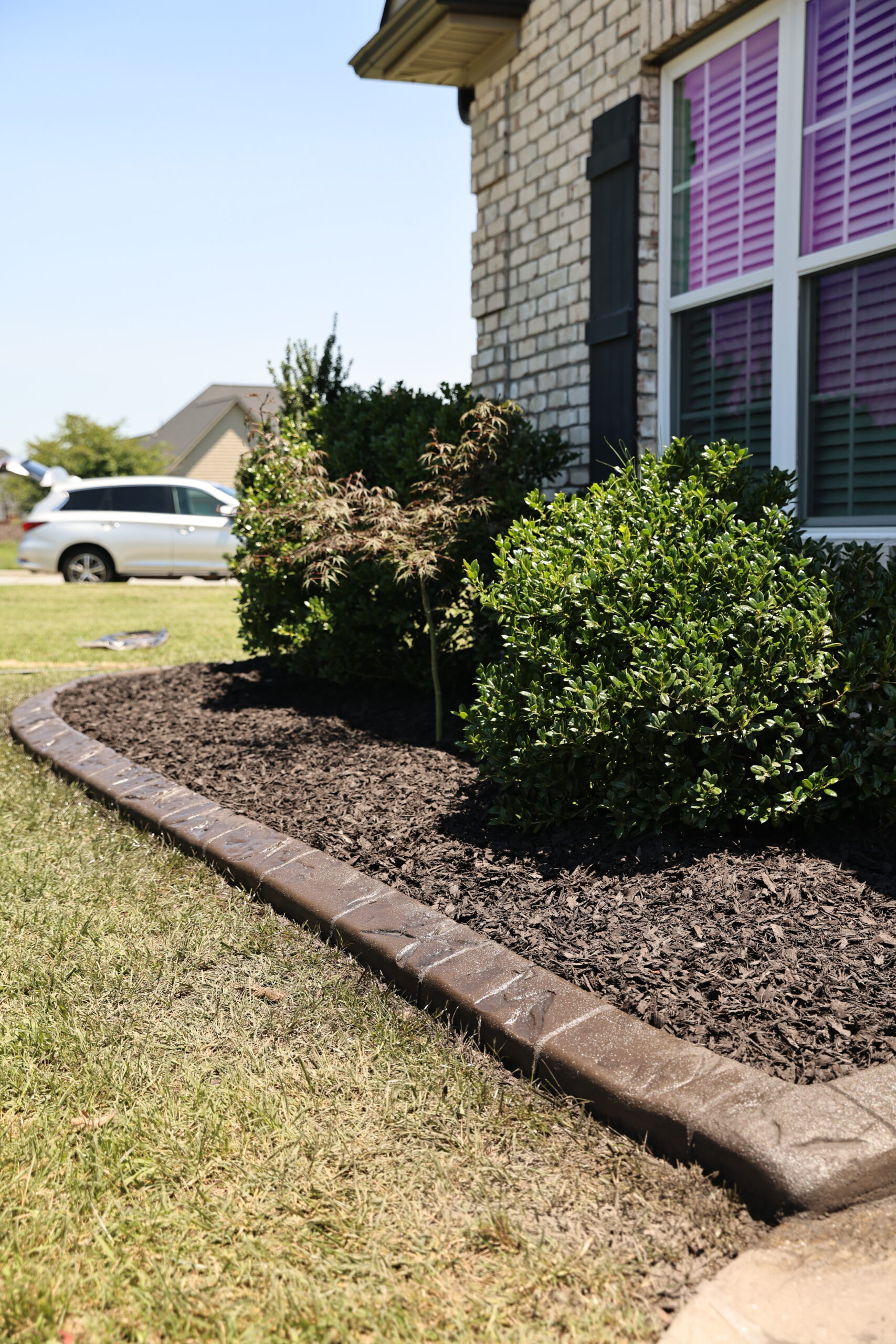
Durability matters because you don’t want to replace your edging every few years. Decorative concrete borders installed by professionals like AE Landscape Borders typically last decades with minimal maintenance, thanks to their solid construction and resistance to weather, pests, and root damage. They come with a lifetime warranty, which speaks to their longevity.
Natural stone and brick also rank high for durability when properly installed with a solid base. They resist rot and insects, though individual pieces can shift or settle over time without proper stabilization. Metal edging, particularly steel or aluminum, holds up well against the elements but can eventually rust or bend depending on thickness and quality.
Wood and plastic sit at the lower end of the durability spectrum. Wood borders look charming initially but rot, warp, and attract termites within a few years, especially in moist climates. Plastic edging becomes brittle from UV exposure, cracks easily, and often pops out of the ground after a season or two of freeze-thaw cycles.
How do different border materials affect curb appeal?
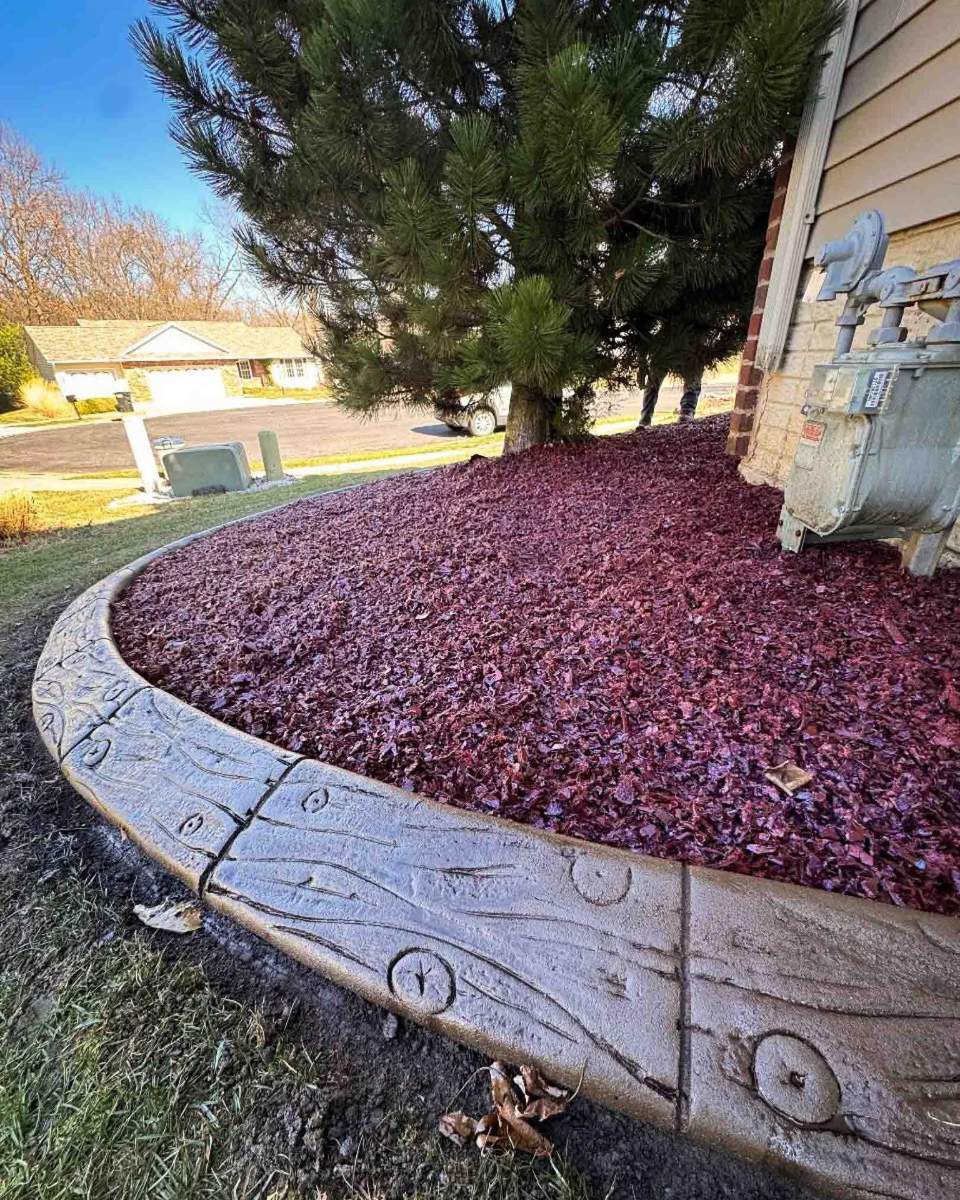
Your landscape edging creates visual definition that either enhances or detracts from your home’s appearance. Decorative concrete curbing offers the most design flexibility—AE Landscape Borders provides multiple patterns like Missouri Flagstone, Fractured Rock, and Driftwood, plus a range of earth-tone colors that complement any landscape style. The seamless, custom-formed look elevates curb appeal significantly compared to segmented materials.
Natural stone delivers timeless elegance but comes with a hefty price tag and inconsistent sizing that can create a less polished appearance. Brick provides classic charm and works beautifully in traditional landscapes, though the linear, segmented look feels more formal than flowing concrete edging.
Metal edging usually remains visible as a thin strip, which some homeowners appreciate for its minimalist look but others find too industrial. Plastic borders rarely enhance curb appeal—they’re functional at best and typically look cheap. Wood can appear rustic and natural when new, but as it weathers and deteriorates, it becomes an eyesore that detracts from your landscape investment.
Which landscape borders require the least maintenance?
Maintenance requirements directly impact your long-term costs and time investment. Concrete landscape edging requires virtually no maintenance once installed—no painting, no straightening, no replacing sections. An occasional rinse with a garden hose keeps it looking fresh.
Stone and brick need periodic attention to reset shifted pieces and refill joints, especially after harsh winters. Metal edging holds its shape well but may need occasional straightening and rust treatment depending on the material. Choosing the right border pattern also depends on your garden layout and how much visual contrast you want between planting areas and lawn.
Wood demands the most maintenance by far—regular sealing or staining to prevent rot, replacement of deteriorated sections, and vigilance against termite damage. Plastic requires frequent repositioning as it works loose from the soil and eventual full replacement as it becomes brittle and breaks.
Cost considerations beyond the initial installation
Looking only at upfront costs misses the bigger financial picture. While plastic and basic wood edging appear cheaper initially, you’ll replace them multiple times over the lifespan of a single concrete installation from AE Landscape Borders. That makes concrete curbing the most cost-effective choice long-term.
Proper drainage plays a role in how long your edging lasts, particularly for materials sensitive to moisture like wood and certain metals. Professional concrete borders are installed with attention to grade and water flow, protecting both the curbing itself and preventing washouts in your planting beds.
Stone and brick fall in the middle range for both initial and long-term costs—more expensive upfront than plastic or wood, but less maintenance-intensive. However, labor costs run high for stone and brick installation compared to the efficient one-day process typical for decorative concrete edging.
Metal edging offers moderate initial costs with low maintenance, making it a decent mid-range option, though it lacks the visual impact and customization of concrete curbing. When evaluating any material, factor in your climate, soil conditions, and whether you want a DIY project or professional installation that comes with warranty protection.
Frequently Asked Questions
Can I mix different border materials in my landscape?
Yes, you can combine materials for different areas, though maintaining visual cohesion across your property creates better curb appeal. Many homeowners use decorative concrete borders for main bed areas and a simpler material for less visible spots.
Do concrete landscape borders work in cold climates?
Absolutely. Professional-grade concrete curbing from companies like AE Landscape Borders is designed to withstand freeze-thaw cycles without cracking when properly installed with appropriate base preparation and expansion joints.
How long does it take to install different border materials?
Installation time varies significantly. Most concrete curbing projects take just one day for standard residential properties. Brick and stone require several days due to individual piece placement. Wood and plastic are quickest for DIY but need frequent reinstallation over time.
Ready to choose a landscape border material that combines beauty, durability, and long-term value? Contact AE Landscape Borders today for a free onsite estimate and see how decorative concrete edging can transform your property with a solution that lasts a lifetime.